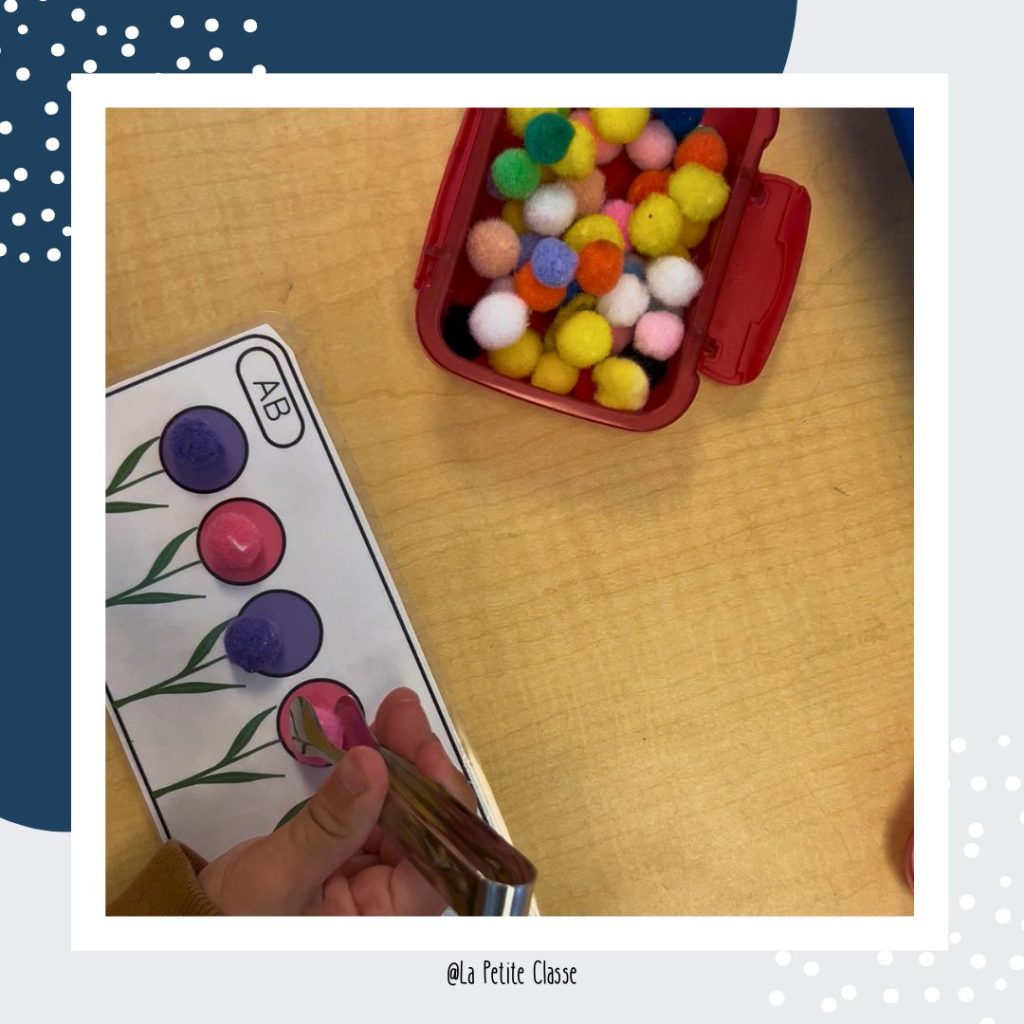
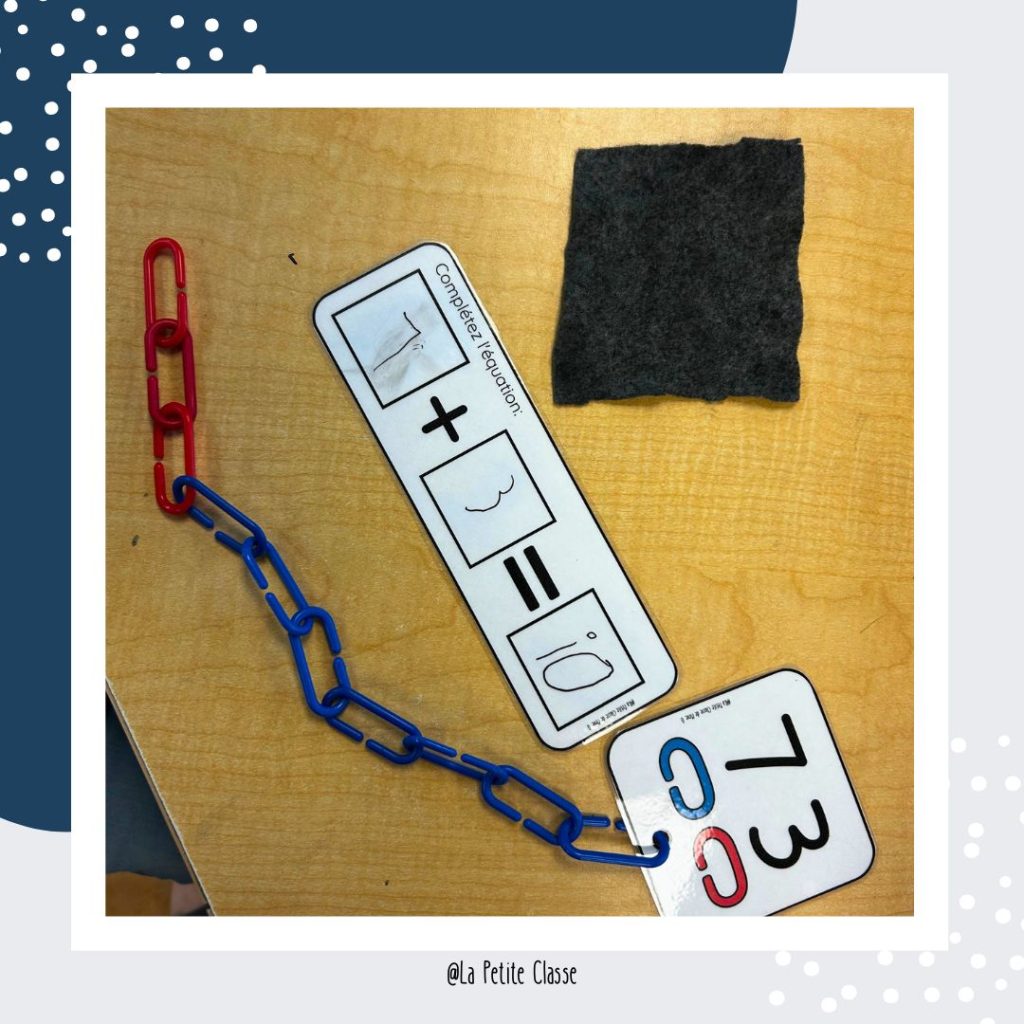
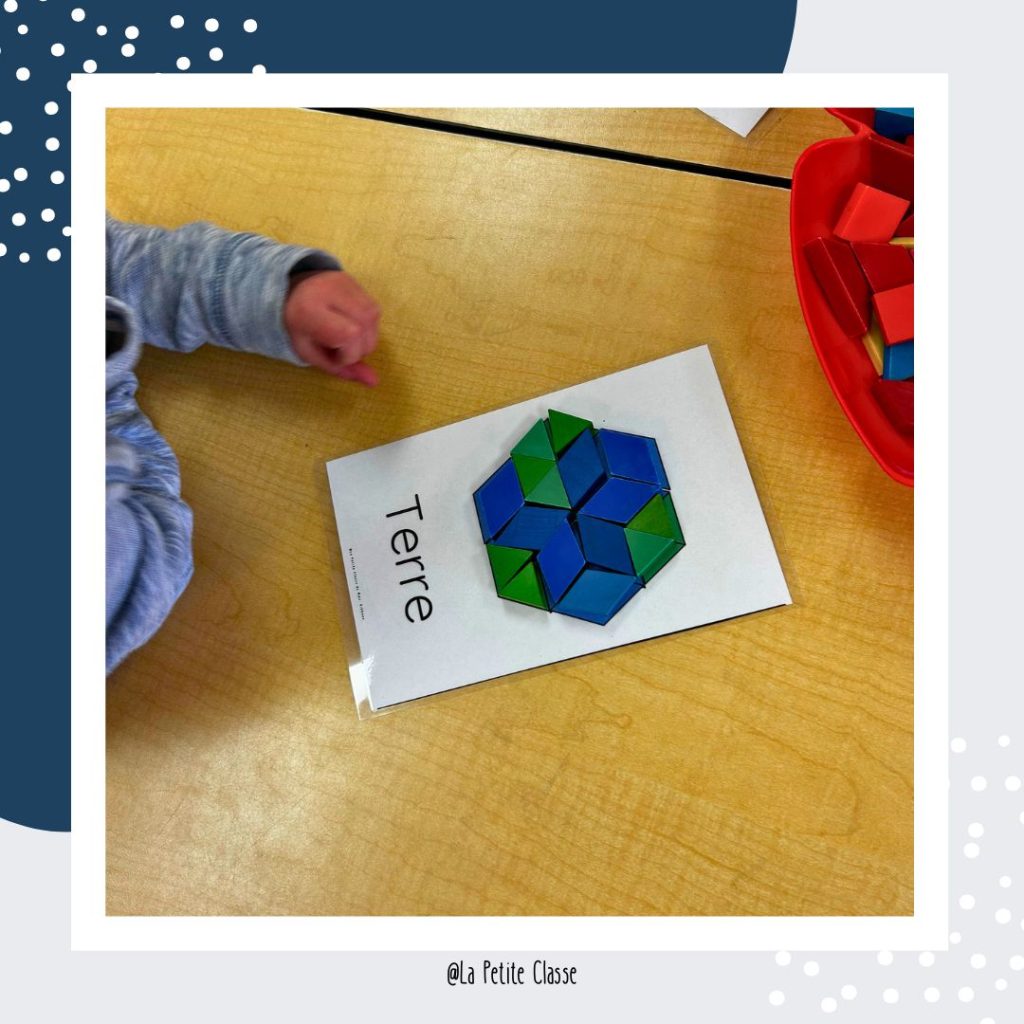
Why Fine Motor Skills Still Matter in April (Not Just September) Published April 23, 2026 When I first started teaching Kindergarten, I made a mistake.I thought fine motor practice was something we really needed to focus on at the beginning of the year… and then we could move on.So as the year went on, I started to skip those opportunities.And I noticed it pretty quickly. What I Started to See Students were struggling with things like:Writing for longer periods of timeColoring with controlStaying focused on table tasksTheir stamina just wasn’t there.And honestly, I started to see more behaviours creeping in too.More frustration.More off-task moments. The Shift Once I brought fine motor activities back into our daily routine, things started to change.Students were:More focusedMore regulatedMore willing to engage in tasks like writingIt was a good reminder that fine motor skills aren’t just a “September thing.”They’re something students need all year long. Why It Still Matters in Spring By April, expectations have increased.Students are:Writing moreSitting longerBeing asked to work more independentlyBut if their fine motor strength and stamina haven’t kept up, those tasks feel hard.And when things feel hard, that’s when we often see:AvoidanceFrustrationBehaviour challenges Simple Ways to Build Fine Motor (Without Adding More Work) The good news is — this doesn’t need to be complicated.Some of the best fine motor activities are also the simplest:PlaydoughCutting and tearingStickersStacking and buildingPompoms with tweezersThese are easy to set up, easy to repeat, and can be used again and again throughout the year. Keep It Part of Your Routine Fine motor doesn’t need to be a separate “lesson.”It can be:A centreA morning binA quiet activity during transitionsSmall, consistent opportunities make a big difference over time. A Simple Reminder If things are feeling a bit harder right now, more behaviours, less focus, lower stamina, it might not be the content.It might just be that students need more opportunities to build those foundational skills. Looking for Easy Options? If you’re looking for simple, hands-on activities to support fine motor development, you can find a variety of options in my La Petite Classe store.They’re designed to be low-prep, repeatable, and easy to fit into your day. The Takeaway Fine motor skills don’t stop mattering after the first few months of school.In many ways, they matter even more as the year goes on.Sometimes the biggest difference comes from going back to the basics and keeping them part of your routine. Published in Uncategorized Previous Post Simple Earth Day Activities for the Classroom (Hands-On + Low Prep) Next Post What Students Really Need This Time of Year (It’s Not More Work)