Home » Winter Classroom Strategies to Support Focus and Self-Regulation (K–1)
Winter Classroom Strategies to Support Focus and Self-Regulation (K–1)
Published February 12, 2026
By February, the novelty of winter has worn off. The days feel long, indoor time is constant, and many students are showing signs of fatigue — emotionally, physically, and academically.
If your classroom feels a little louder, wigglier, or harder to settle right now, you’re not doing anything wrong. This is a normal part of the school year.
What helps most in the winter months isn’t doing more — it’s doing simpler things, more intentionally.
Here are a few low-prep ways I support focus and regulation during the winter stretch, especially in Kindergarten and early primary classrooms.
1️⃣ Lean Into Hands-On, Repetitive Work
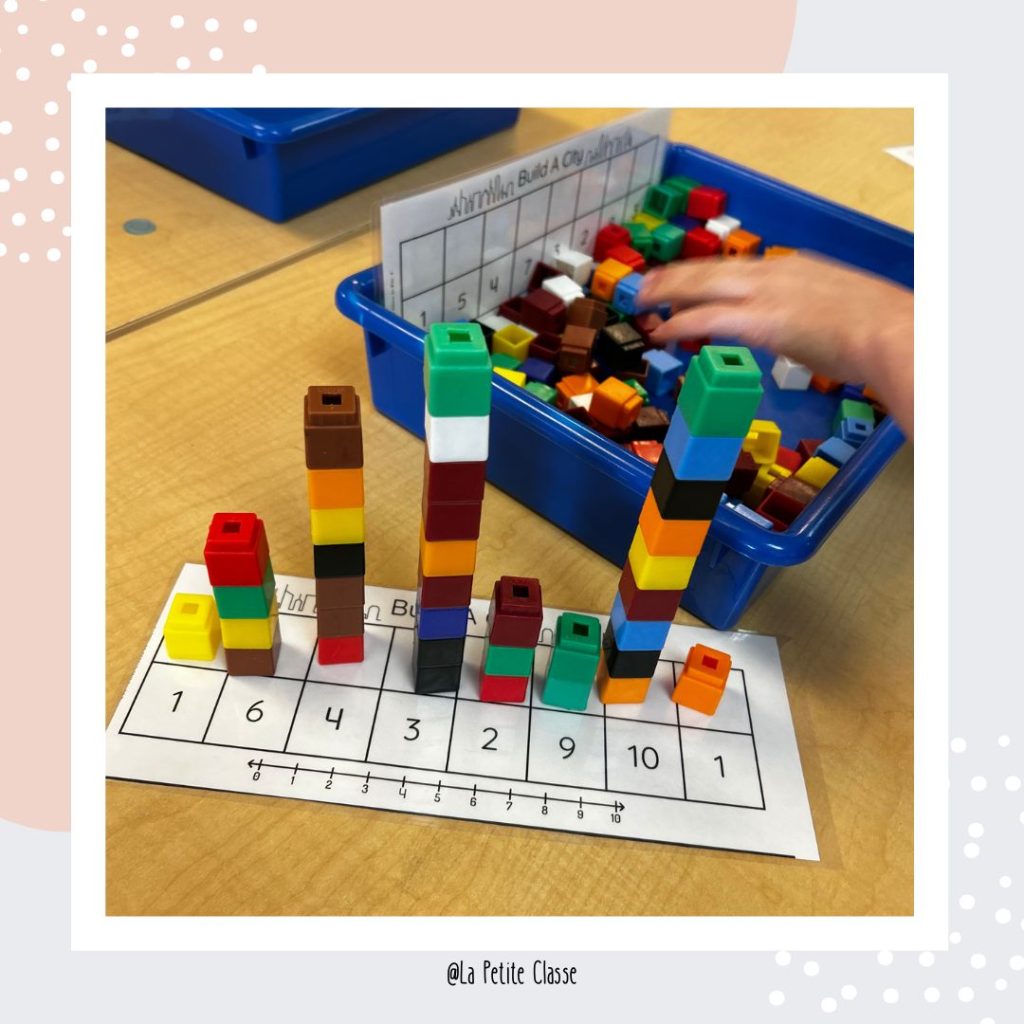
When attention is low, students benefit from activities that are:
familiar
predictable
tactile
Hands-on work like fine motor centres, sorting tasks, or simple math activities gives students something concrete to focus on. Repetition is calming — it builds confidence and reduces decision fatigue.
Winter is not the time to constantly introduce brand-new formats. It’s the time to reuse what already works.
2️⃣ Regulation Before Productivity
This is a mindset shift that makes a huge difference.
If students are dysregulated, learning won’t stick — no matter how well planned the lesson is. In winter, I prioritize:
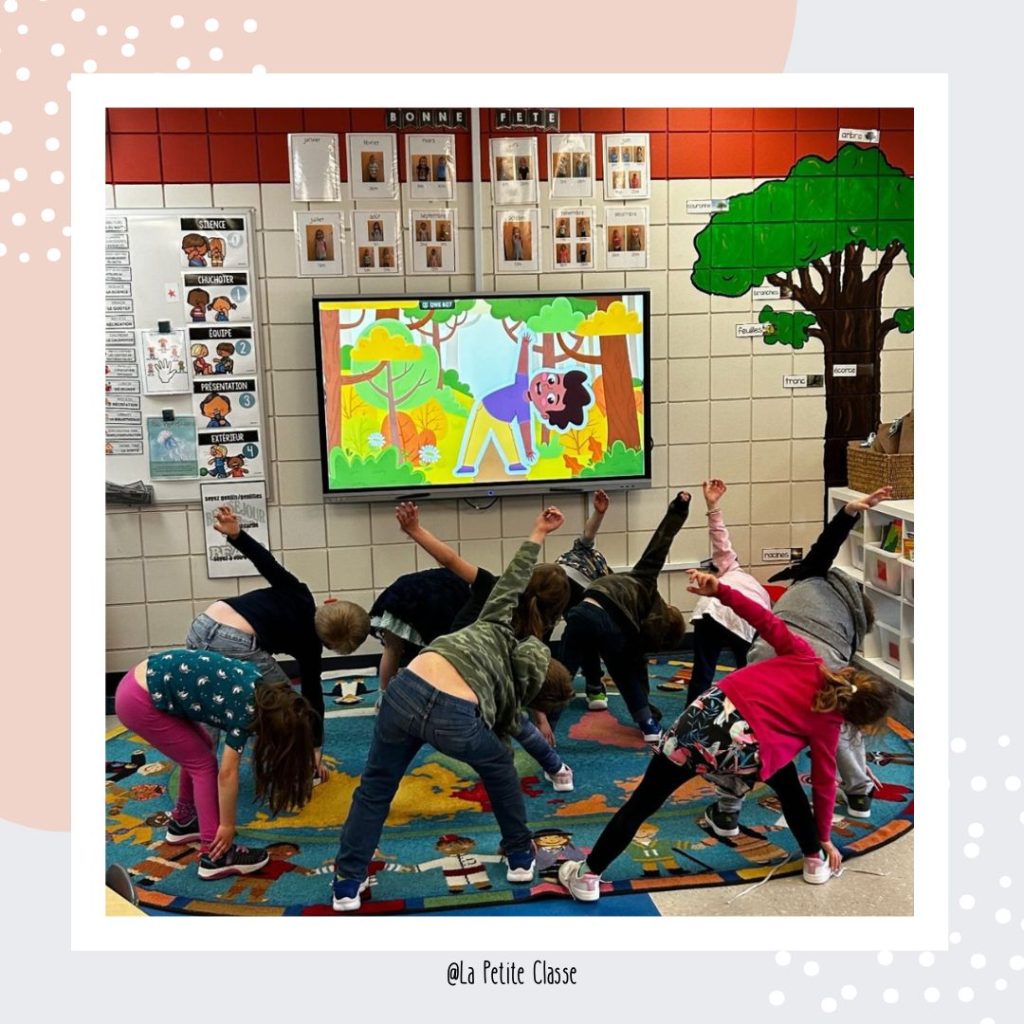
short movement breaks
flexible seating options
quiet, independent tasks students can return to again and again
Sometimes the goal isn’t to “get through” the lesson. It’s to help students feel settled enough to engage at all.
And that’s enough.
3️⃣ Fine Motor as a Regulation Tool
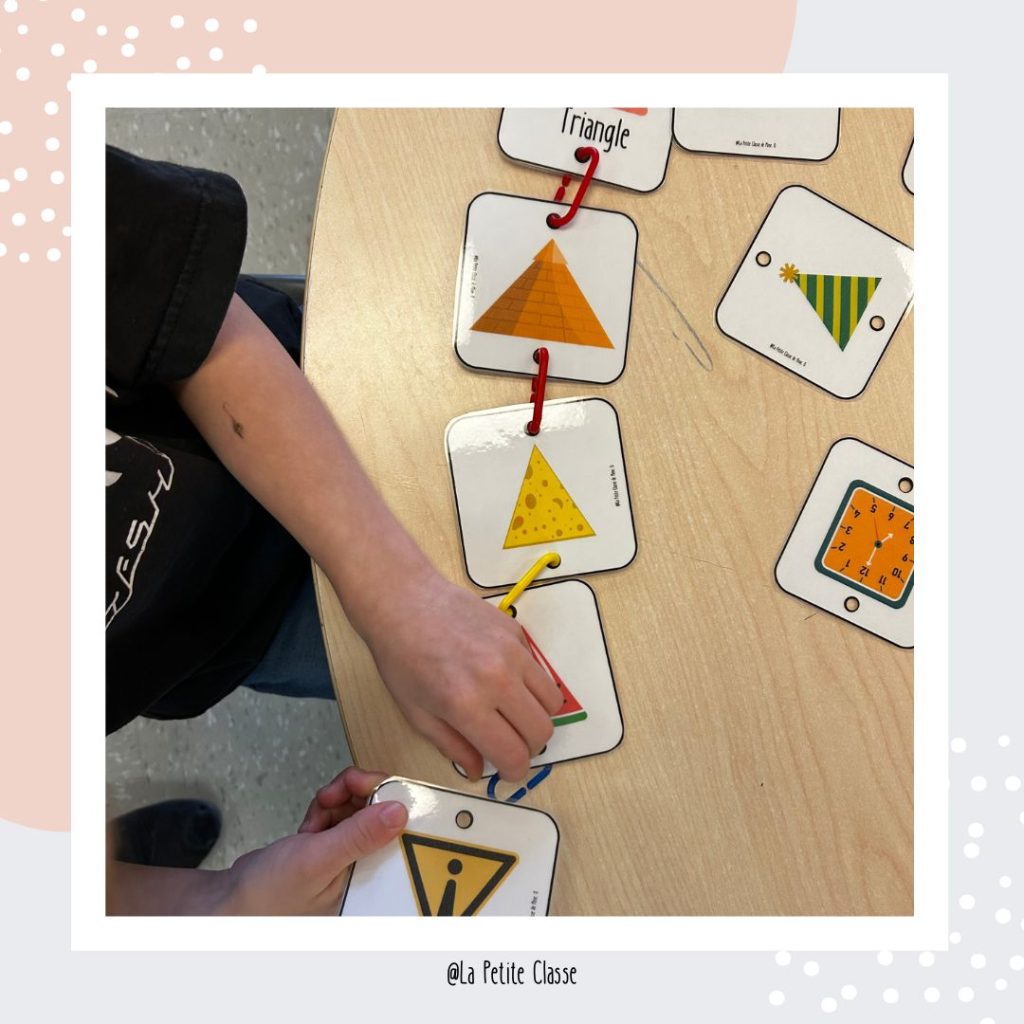
Fine motor work does more than support writing — it also helps students regulate.
Activities like:
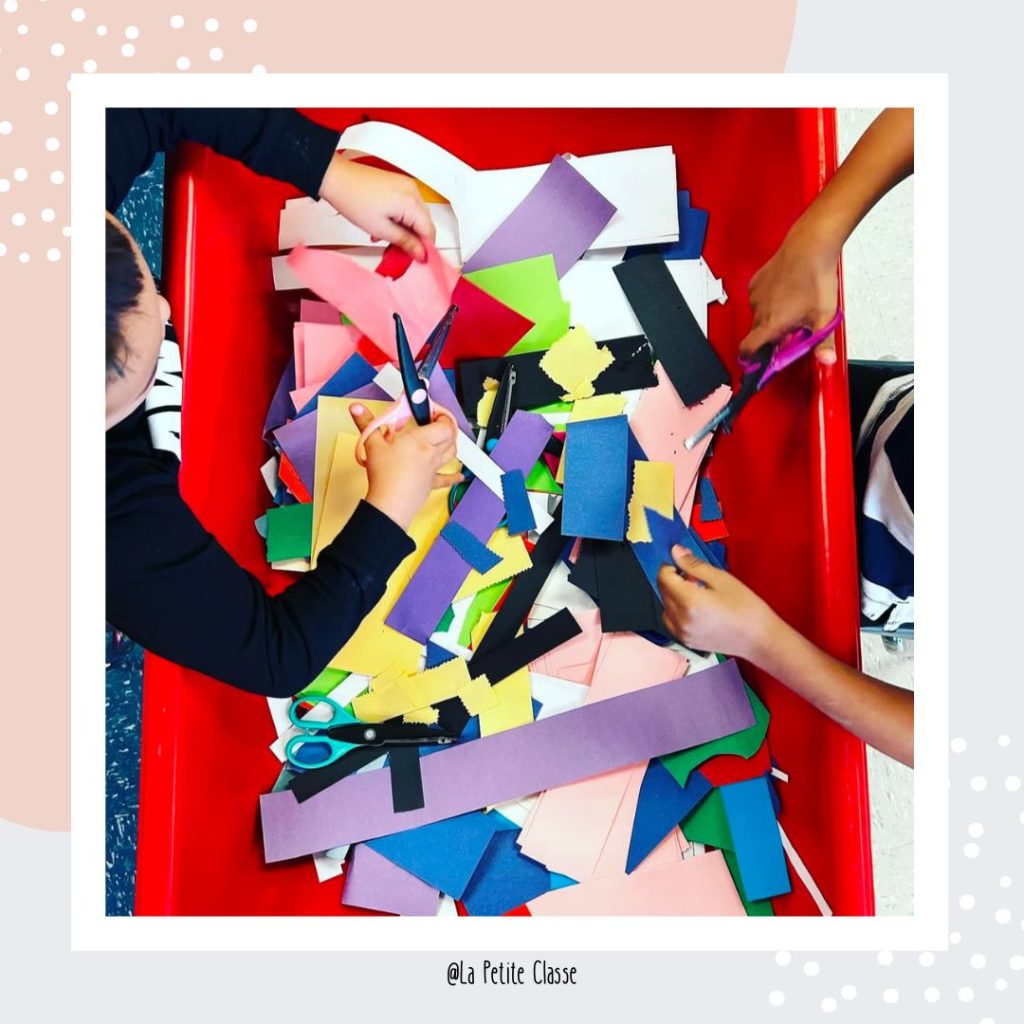
cutting
tearing paper
tracing
manipulating small objects
encourage focus and calm the nervous system. These tasks are especially helpful during long indoor days when students need something grounding.
They’re also easy to adapt for both English and French classrooms, making them a great go-to when prep time is limited.
4️⃣ Keep Routines Simple and Predictable
Winter is not the season for overhauling routines.
Instead, I try to:
keep the structure of the day consistent
use the same centre formats with new content
rely on visuals and clear expectations
Predictability helps students feel safe — and when students feel safe, focus improves naturally.
A Supportive Note for February
If things feel harder right now, it doesn’t mean you’re behind.
February isn’t about pushing forward at full speed. It’s about maintaining steady, supportive routines that help everyone — students and teachers — get through the stretch.
Simple works. Regulation matters. And you’re doing enough.