Home » Why January Feels Hard (and What Actually Helps)
Why January Feels Hard (and What Actually Helps)
Published January 15, 2026
January is supposed to feel like a fresh start.
New year. Clean slate. Renewed energy.
But for many teachers, January feels… heavy.
The break ends, routines are rusty, students are dysregulated, and the pressure to “start strong” is suddenly everywhere. Add winter weather, shorter days, and emotional fatigue, and it is no wonder January can feel harder than expected.
If you are feeling this way, you are not doing anything wrong. You are human.
Why January Can Feel So Overwhelming
By January, we are tired — even if we had time off.
Students are coming back from disrupted routines, big emotions, and long stretches without structure. Many need time to re-regulate before they are ready to learn.
Teachers are often carrying:
Emotional exhaustion from the fall
Pressure to reset routines quickly
The expectation to “hit the ground running”
A quiet sense of guilt for not feeling more refreshed
January asks a lot — at a time when energy is low.
Regulation Comes Before Productivity
One of the biggest shifts that has helped me is this reminder:
Regulation matters more than productivity in January.
When students feel safe, calm, and grounded, learning follows. When they do not, no amount of planning or pushing will make things stick.
This might look like:
Slowing down transitions
Spending extra time on movement and sensory input
Revisiting routines instead of assuming they “should know better by now”
Choosing calm, predictable activities over novelty
This is not lowering expectations. It is meeting students where they are.
Letting Go of the “Fresh Start” Pressure
January does not need to be a full reset.
You do not need brand-new systems, perfectly planned units, or elaborate activities to prove you are doing enough.
Sometimes the most supportive thing you can do is:
Keep routines familiar
Lean on activities that already work
Repeat what felt successful in the fall
Choose consistency over creativity
A steady return is often more effective than a dramatic restart.
What Actually Helps in January
These are the supports I lean on when January feels heavy:
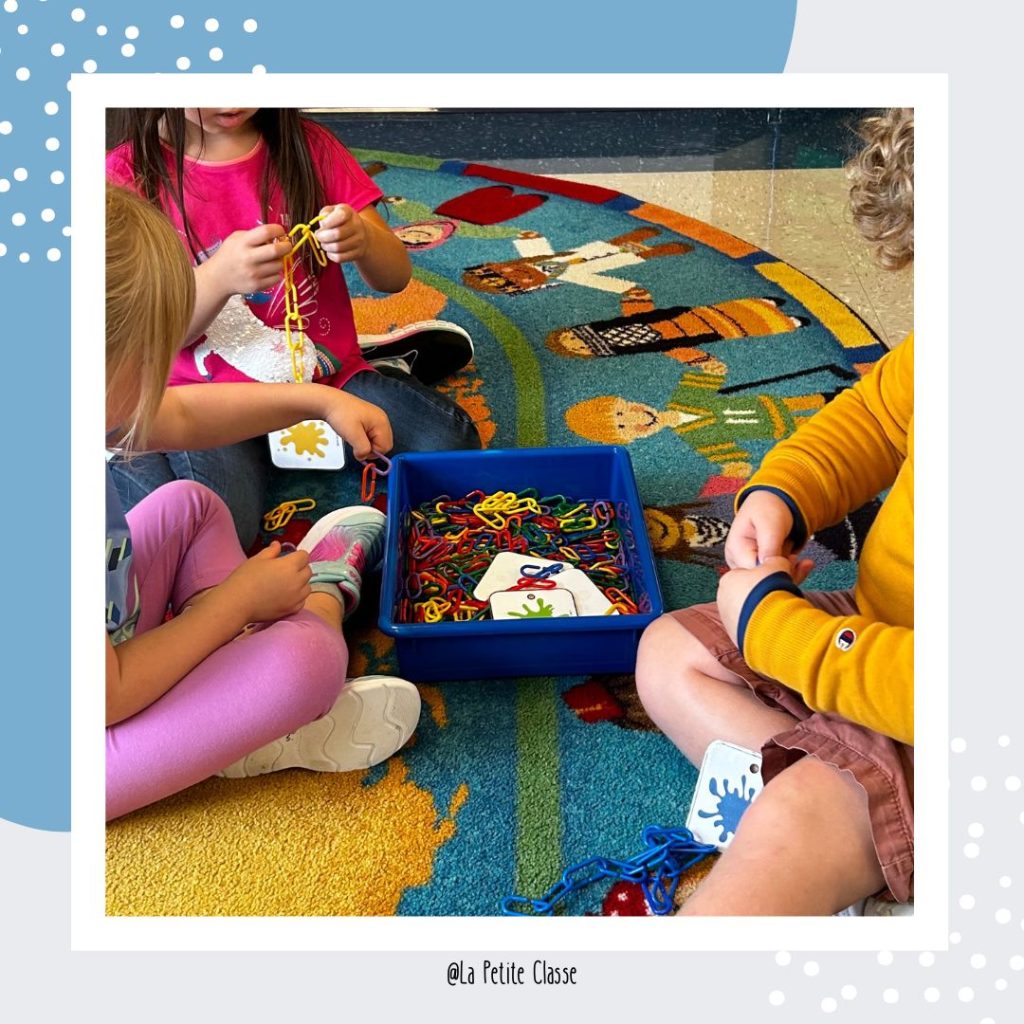
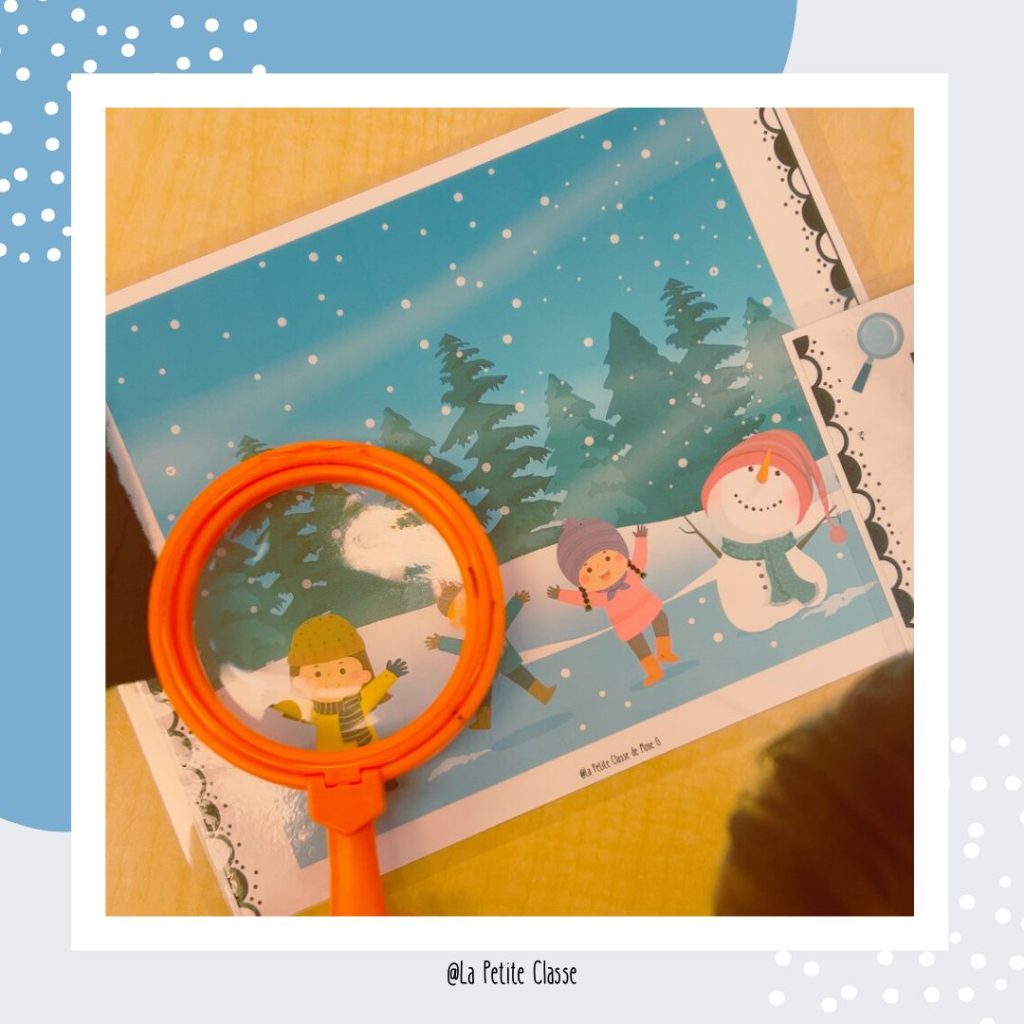
Simple, hands-on activities that do not overwhelm students
Fine motor and sensory tasks that support regulation without extra explanation
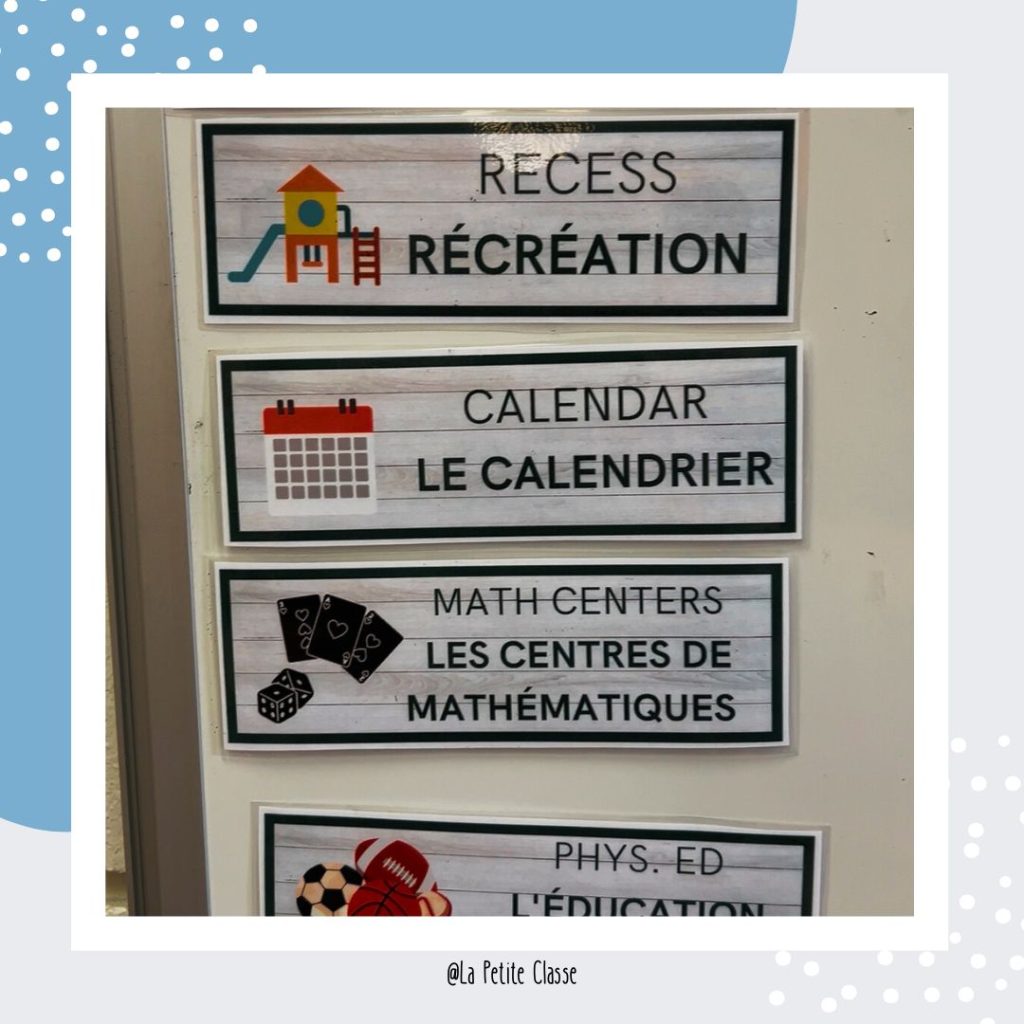
Visual routines and clear expectations to reduce cognitive load
Low-prep materials so my own energy is protected
January is not the time to reinvent everything. It is a time to simplify.
Here’s what I keep coming back to
If January feels hard, it does not mean you are failing.
It means you are navigating a demanding season with care.
You are allowed to move slowly. You are allowed to repeat what works. You are allowed to prioritize calm over output.
Learning does not disappear when things slow down — it often deepens.
January is not about proving anything. It is about supporting students and yourself through the transition back.