

January can feel… a lot.
The break is over, routines feel shaky again, the weather keeps everyone indoors, and energy is low — for students and teachers. I know for me, this is the month where I need things to feel calm, predictable, and manageable.
Not flashy.
Not complicated.
Just steady and supportive.
So instead of reinventing the wheel in January, I lean on a few simple, low-prep activities that help students stay focused without adding more to my plate.
Here’s what that looks like in my classroom (and the classrooms I support).
1. Fine Motor Activities That Keep Hands Busy (and Brains Calm)
January is when I really notice how much students need something to do with their hands.
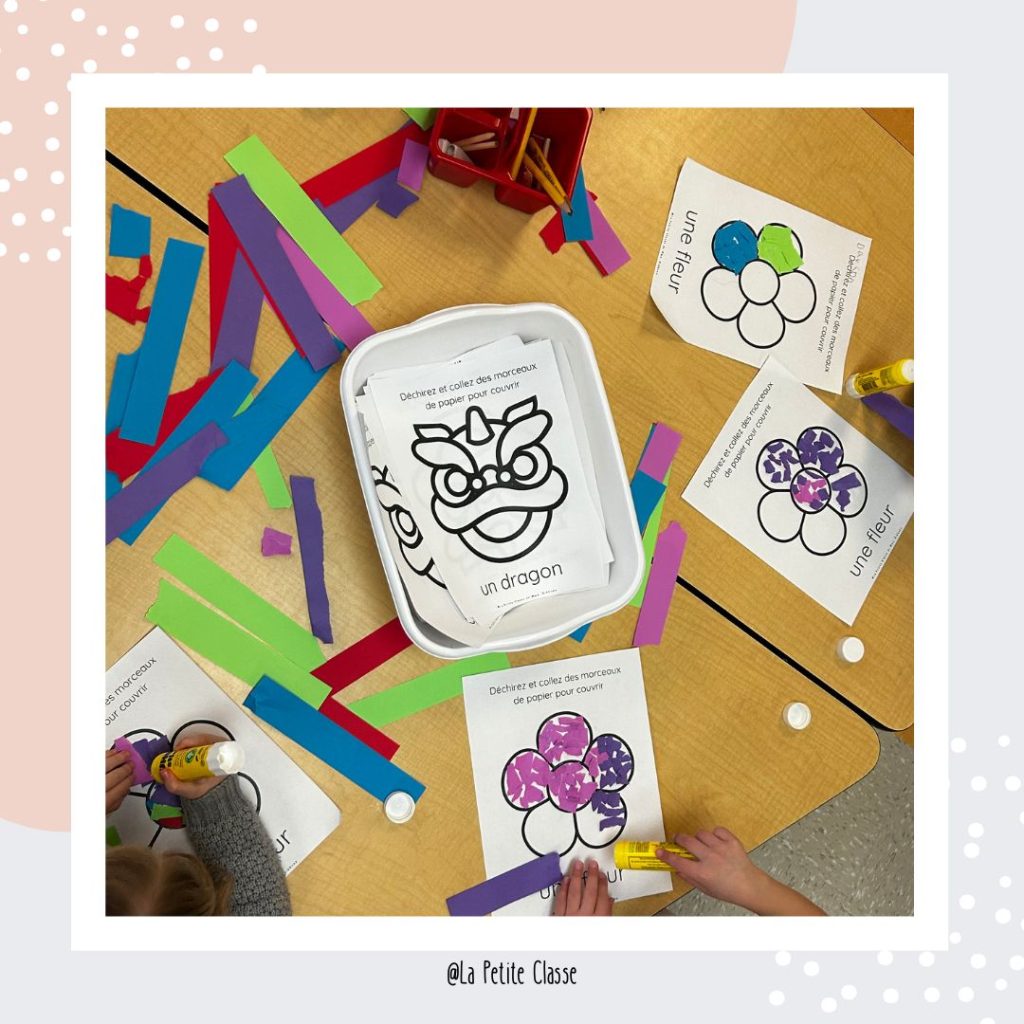
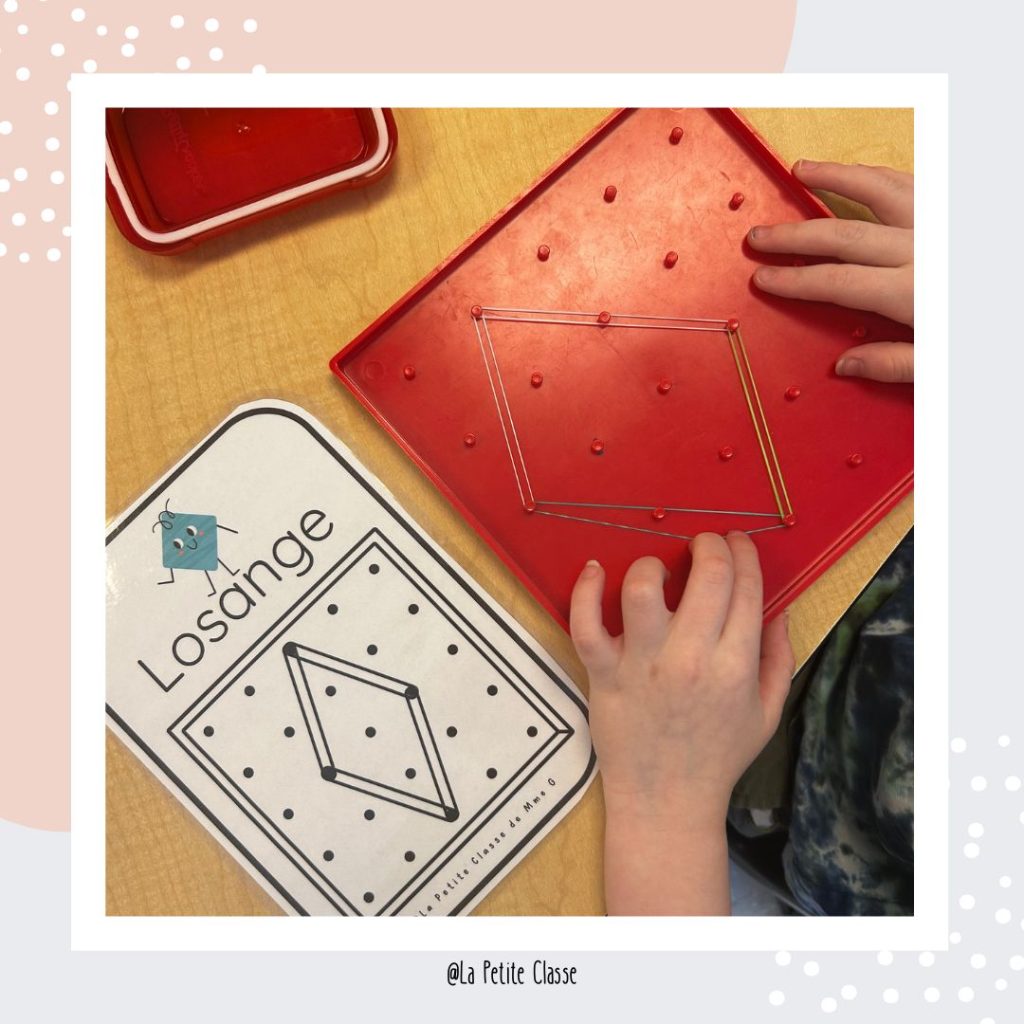
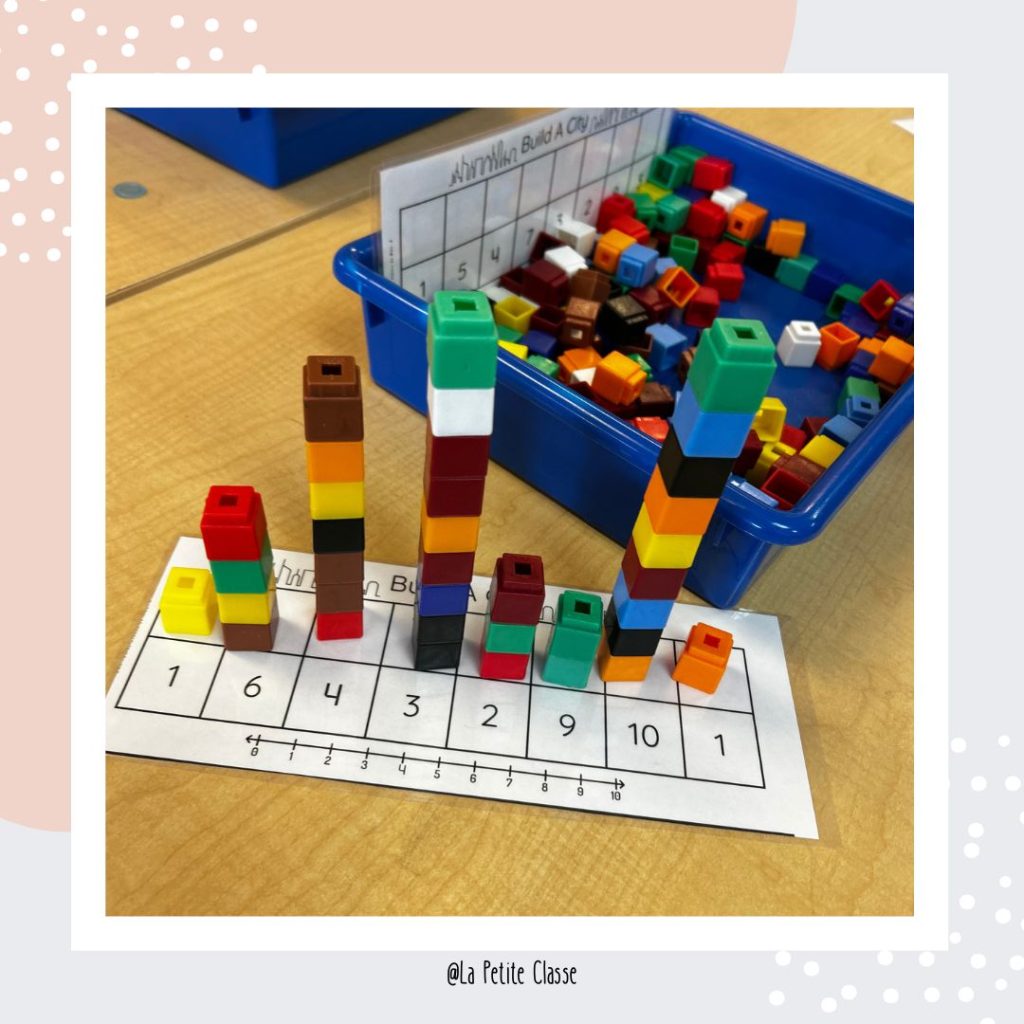
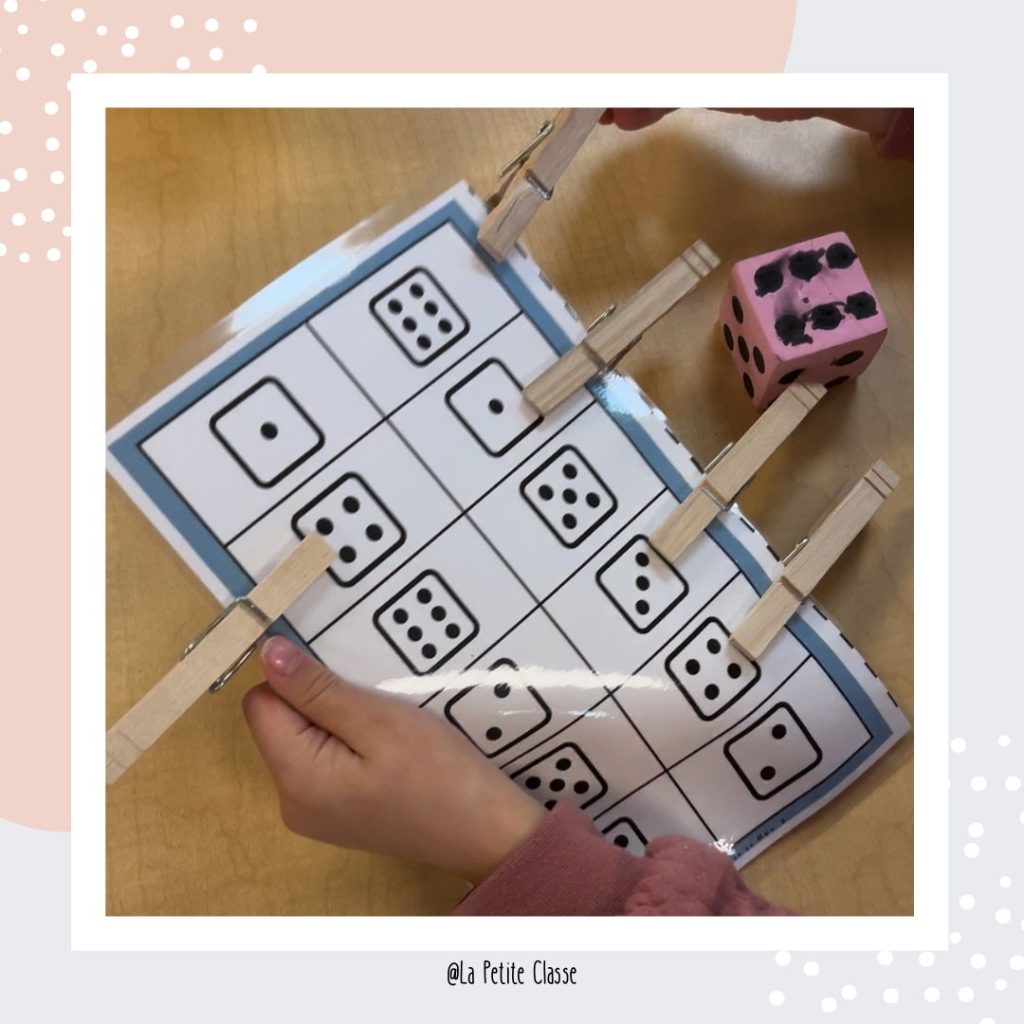
Simple fine motor tasks — things like tracing, pinching, sorting, tearing, or building — help students settle their bodies and stay engaged longer. These activities feel calm, but they are doing a lot of heavy lifting behind the scenes.
They support:
focus and attention
hand strength for writing
independence during centre time
And the best part? Once routines are established, they require very little explanation.
2. Sensory Bins That Feel Familiar
I do not introduce brand-new sensory setups in January.
Instead, I rotate materials students already know:
rice → pasta
pom poms → buttons
scoops → tongs
The structure stays the same. The novelty is small. That predictability helps students feel grounded — especially after the disruption of winter break.
When January feels heavy, familiar routines matter.
3. Activities That Can Run Themselves
This is the month where I ask myself:
“Can students do this without me hovering?”
If the answer is yes, it stays in rotation.
Low-prep, independent activities are essential in January — especially if you’re supporting multiple classrooms or juggling different language groups. Clear visuals, simple expectations, and repeatable tasks go a long way.
4. Calm, Predictable Routines Over New Ideas
January is not the time I push myself to try everything new.
It’s the time I lean into:
consistent centre rotations
clear clean-up routines
activities students already feel confident with
Confidence builds momentum. And momentum is what carries us through the winter months.
5. Giving Myself Permission to Keep It Simple
This might be the most important one.
January does not need to be packed with elaborate plans or perfectly themed activities. Students need connection, consistency, and space to settle back into learning — and teachers need sustainability.
Simple is not lazy.
Simple is intentional.
What I Lean on When Energy Is Low
If January feels heavy, you’re not doing anything wrong.
This is the month where calm, low-prep activities are more than enough — for your students and for you.
If you’re looking for hands-on, fine motor resources that are easy to prep and easy to reuse, you can check out my TPT store, where everything is designed to support focus without adding stress.
And if nothing else, let this be your permission slip to keep things simple this month.
You’re doing enough.
