Home » A January Classroom Reset: Practical, Low-Prep Ways to Start Fresh
A January Classroom Reset: Practical, Low-Prep Ways to Start Fresh
Published January 1, 2026
January always feels a little different in the classroom.
The holidays are over, routines feel shaky, students are tired, and teachers are often running on fumes. But January also brings something powerful: a chance to reset — without the pressure of “new year, new everything.”
Over the years, I’ve learned that a successful January reset is not about doing more. It’s about simplifying, tightening routines, and choosing what actually supports students (and teachers) during a long winter stretch.
Here are a few practical, low-prep ways I reset my classroom each January — especially when supporting bilingual classrooms or multiple learning spaces.
1. Reset the Space (Without Rearranging Everything)
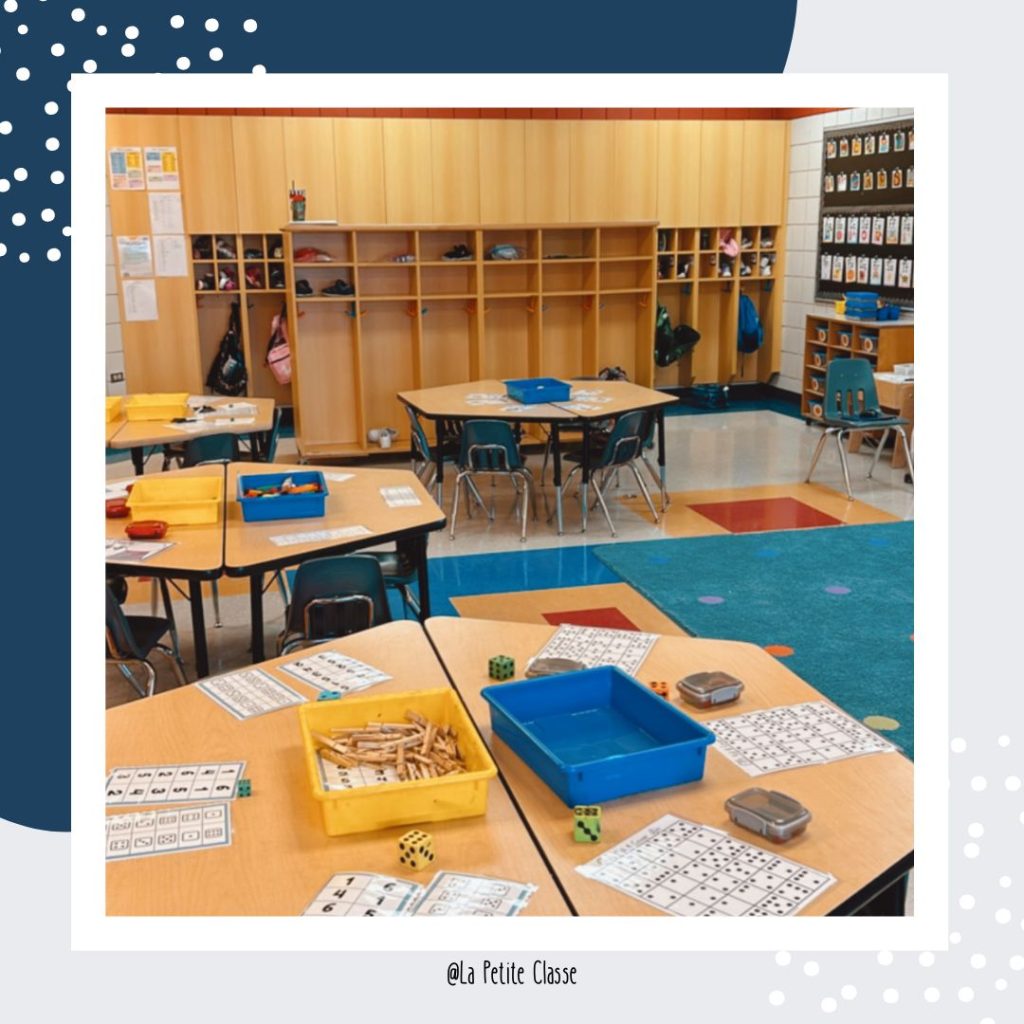
You do not need a full classroom makeover.
Instead, I focus on:
Clearing out materials we no longer use
Refreshing one or two high-traffic centres
Swapping in winter-friendly, calming visuals
A small visual reset can make the room feel new without overwhelming you or your students. Even rotating one bin of materials can re-spark engagement.
2. Tighten Routines Before Adding Anything New
January is not the time to introduce ten new systems.
It is the time to:
Re-teach transitions
Review clean-up expectations
Model small things again (yes — how to close a marker, how to line up, how to sit on the carpet)
This is especially important in bilingual settings where students are navigating language and routines at the same time. Clear, consistent expectations reduce frustration for everyone.
3. Choose One Focus Area (Not Five)
Rather than trying to “fix everything,” I always pick one area to focus on in January:
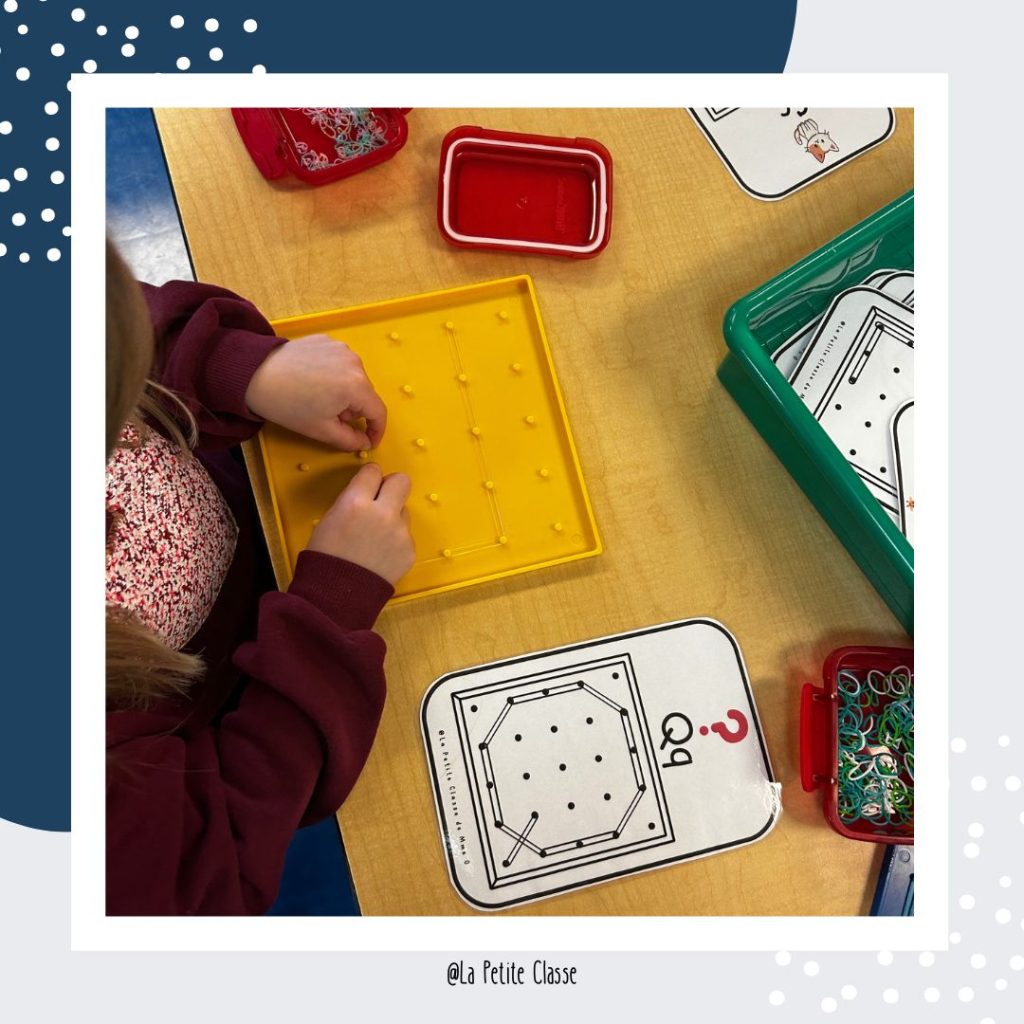
Fine motor stamina
Math confidence
Independence at centres
Language routines
When students feel successful in one area, everything else tends to feel more manageable. Progress builds momentum — even in the middle of winter.
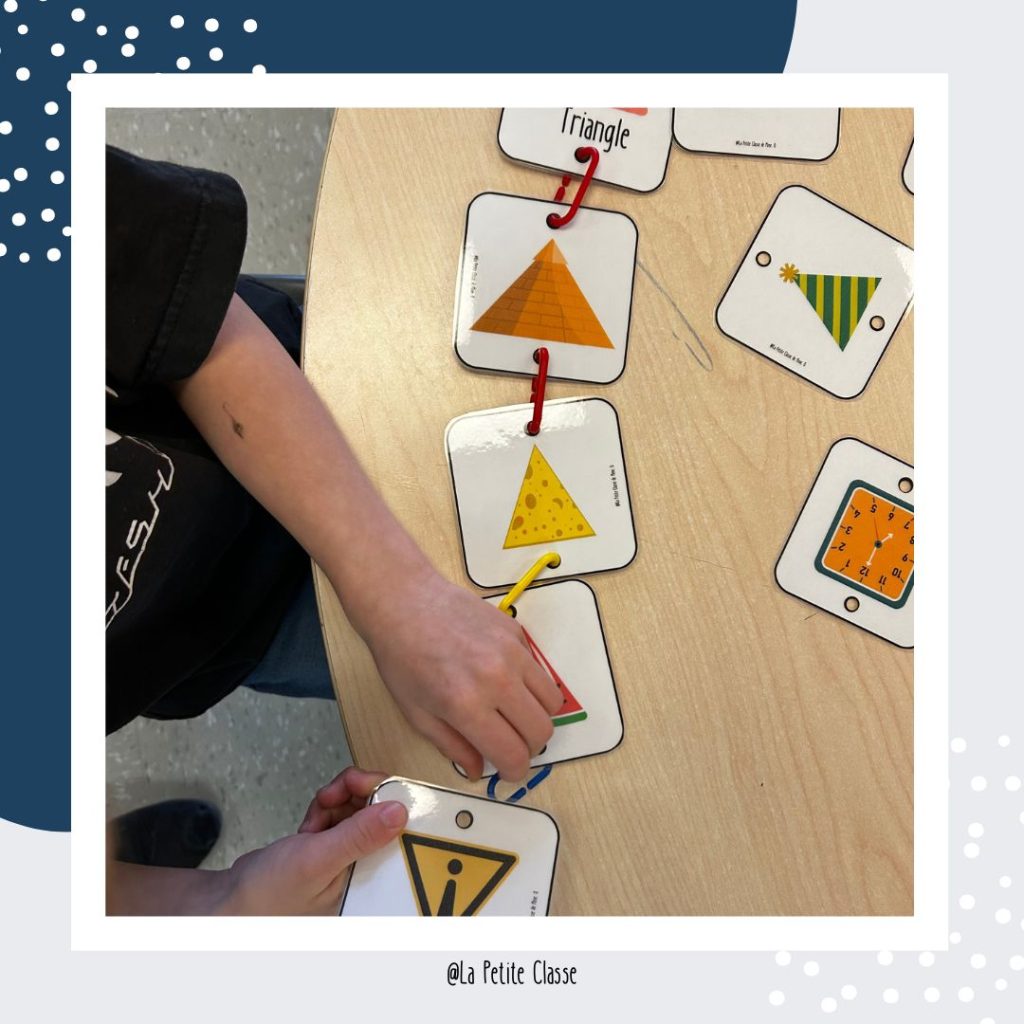
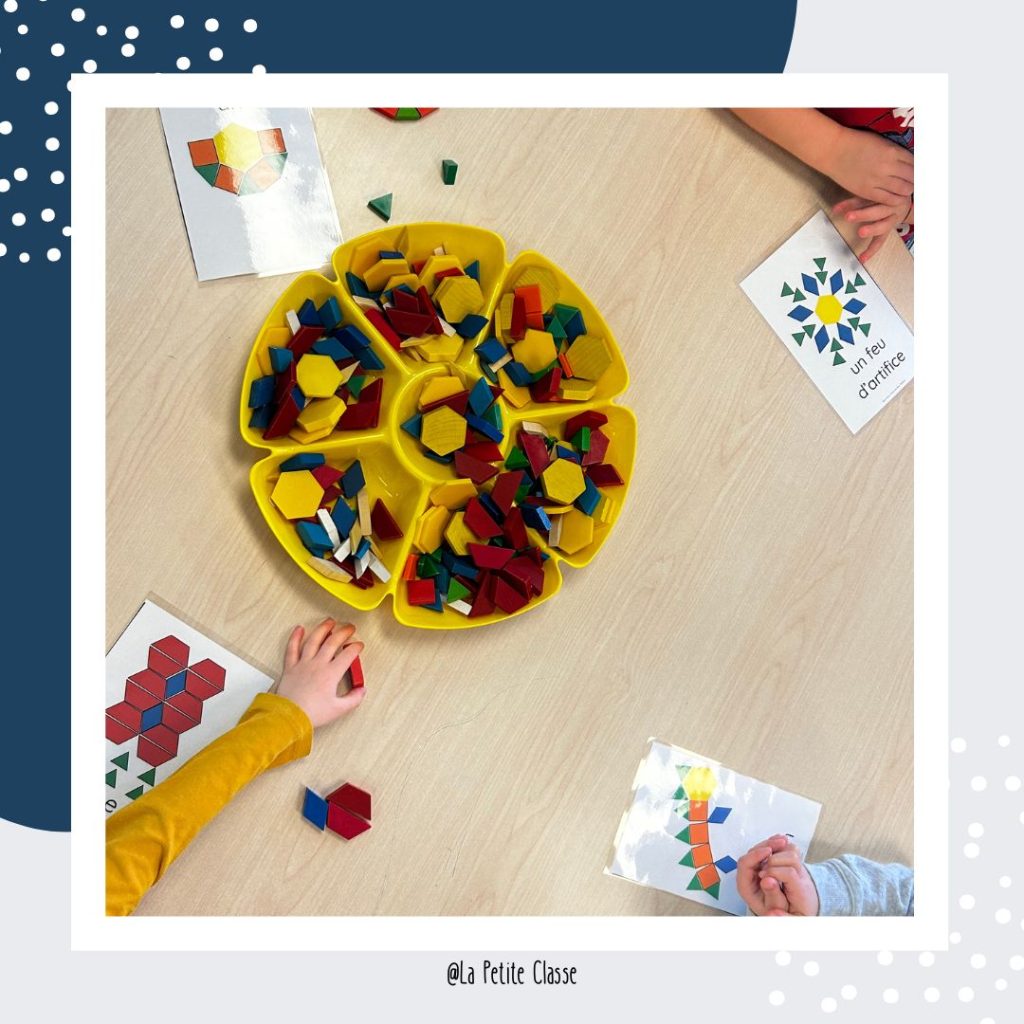
4. Lean Into Hands-On, Familiar Learning
After the holidays, students crave predictability.
This is where hands-on learning really shines. Activities that are:
Familiar
Repetitive (in a good way!)
Low-language, high-engagement
are incredibly grounding — especially for early years and multilingual learners.
I often reuse favourite centre formats with a winter twist so students can focus on learning rather than figuring out new expectations.
5. Reset Your Expectations, Too
This one matters just as much.
January can feel heavy — emotionally and physically. Some days will feel slower. Some students will need extra reassurance. Some lessons will not go as planned.
That does not mean you are doing it wrong.
A January reset is also about giving yourself permission to:
Move at a steadier pace
Celebrate small wins
Focus on what is enough
A Gentle January Reminder
You do not need to reinvent your classroom in January.
A few intentional changes, a recommitment to routines, and hands-on learning that meets students where they are can make this season calmer and more sustainable — for everyone.
If you are looking for hands-on, low-prep resources that support early years and bilingual classrooms, you can explore my Teachers Pay Teachers store for fine motor, math, and language-friendly centres designed to ease planning and support independence.
January does not need to feel overwhelming. Sometimes, a reset is simply a chance to breathe and begin again — gently.