Home » Simple Fine Motor Activities for the Beginning of the School Year
Simple Fine Motor Activities for the Beginning of the School Year
Published September 3, 2026
The beginning of the school year is a lot.
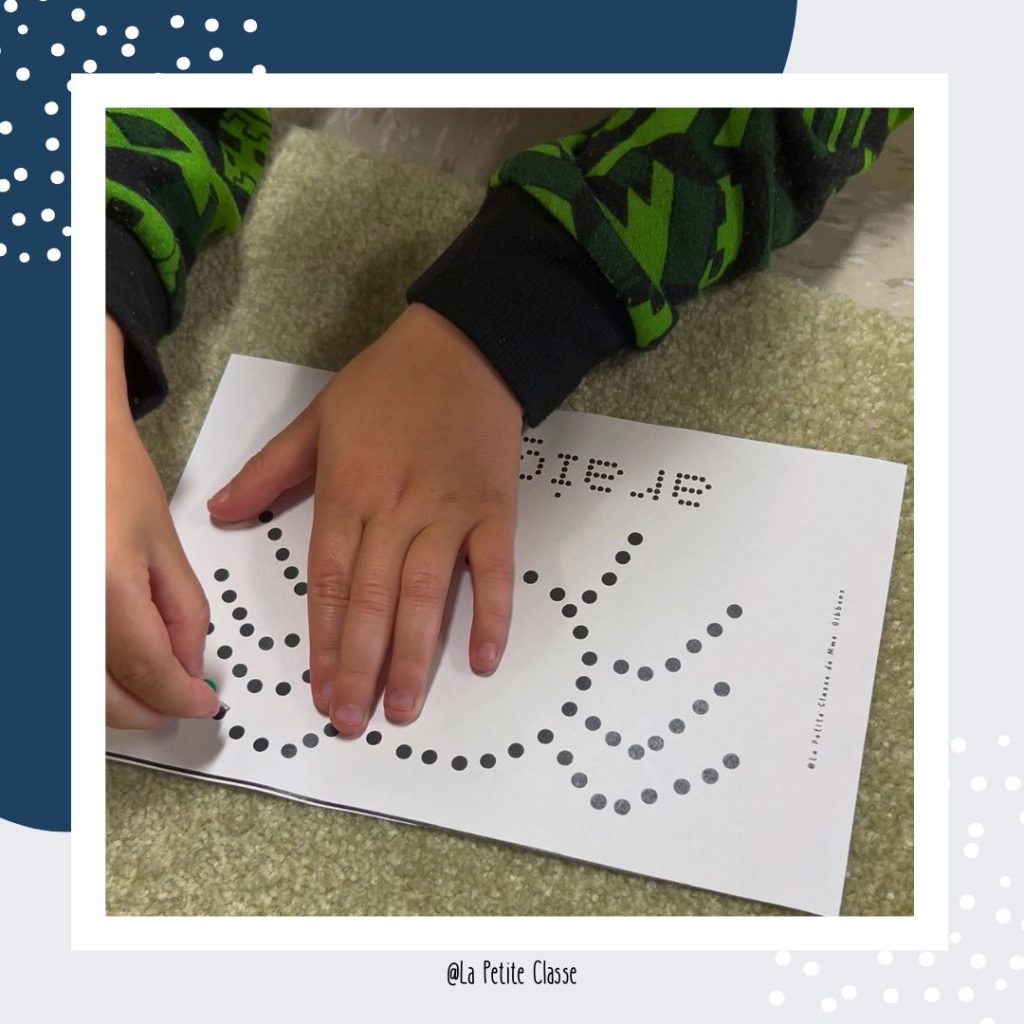
Students are learning new routines, getting used to a new classroom, making friends, and figuring out what is expected of them. And if you teach Kindergarten or the early primary grades, you are probably also noticing some pretty big differences in fine motor skills.
Some students will pick up a pencil and start writing their name right away.
Others are still working on how to hold a crayon, use scissors, or manipulate small objects.
That is completely normal.
I like to build lots of fine motor opportunities into the beginning of the year without making them feel like another “lesson.” Centres, play, art, and simple table activities are perfect for this.
Here are a few of my favourites.
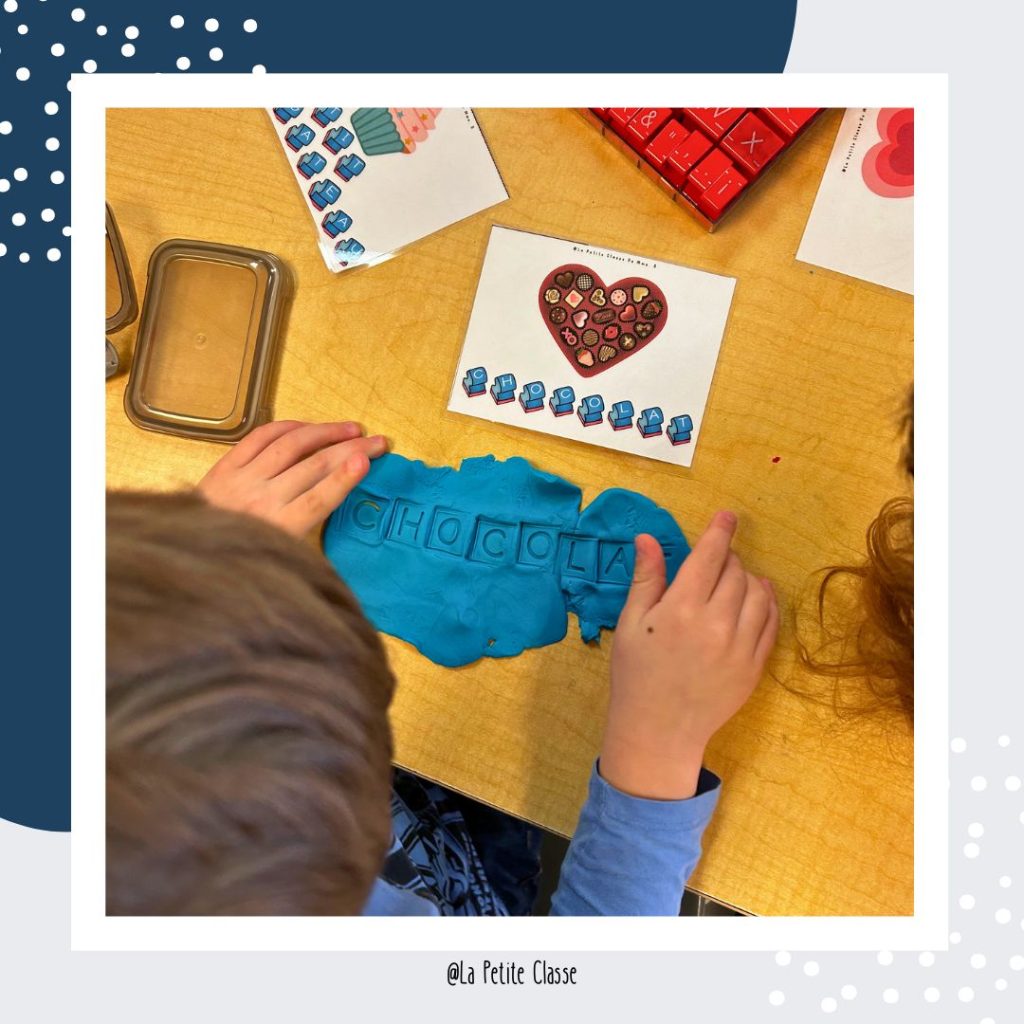
Play Dough
Play dough is a staple in my classroom for a reason.
Students are squeezing, rolling, pinching, flattening, and manipulating the dough without even really thinking about the fine motor work they are doing.
Add cookie cutters, small tools, loose parts, or letter/number cards and you can easily turn it into a centre.
You can also sneak in some French vocabulary while students play. Colours, numbers, shapes, and simple action words are easy to practise naturally.
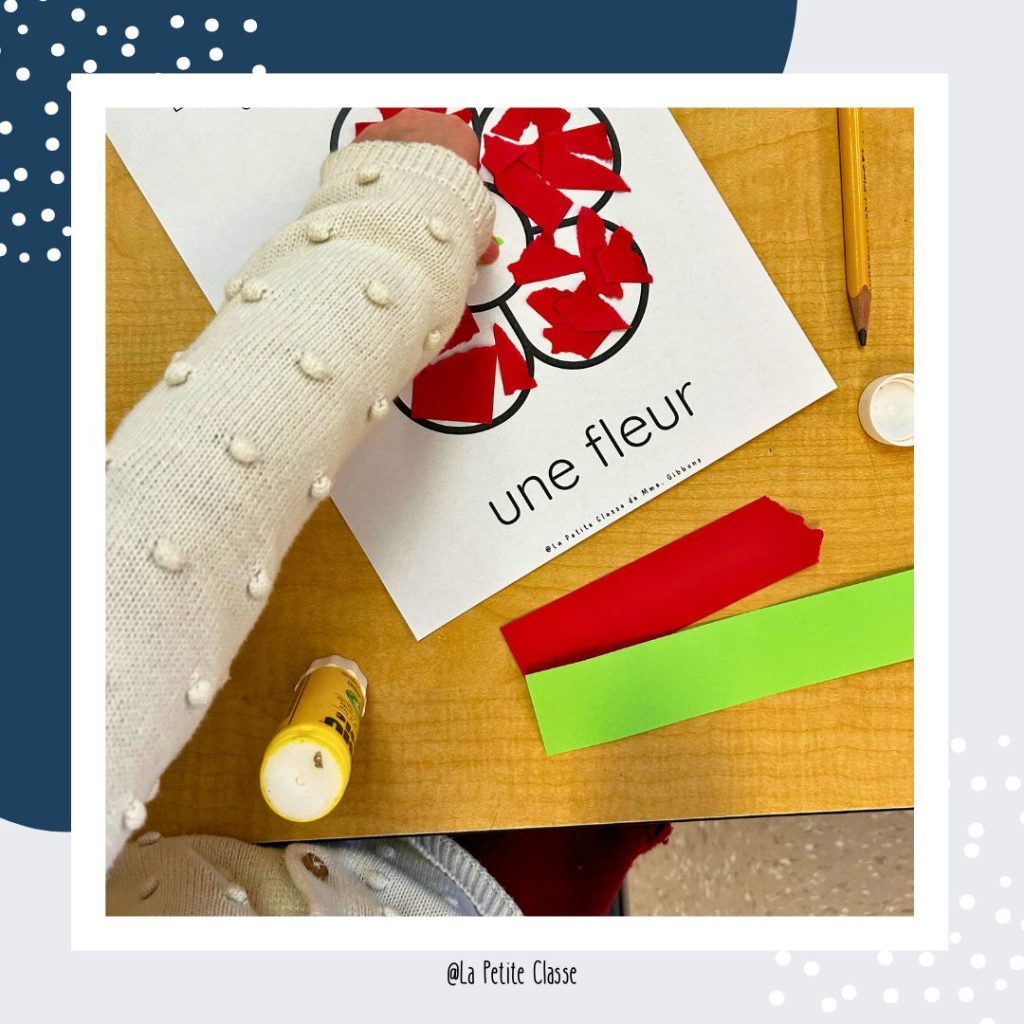
Ripping and Tearing Paper
This is one of those activities that looks almost too simple, but students love it.
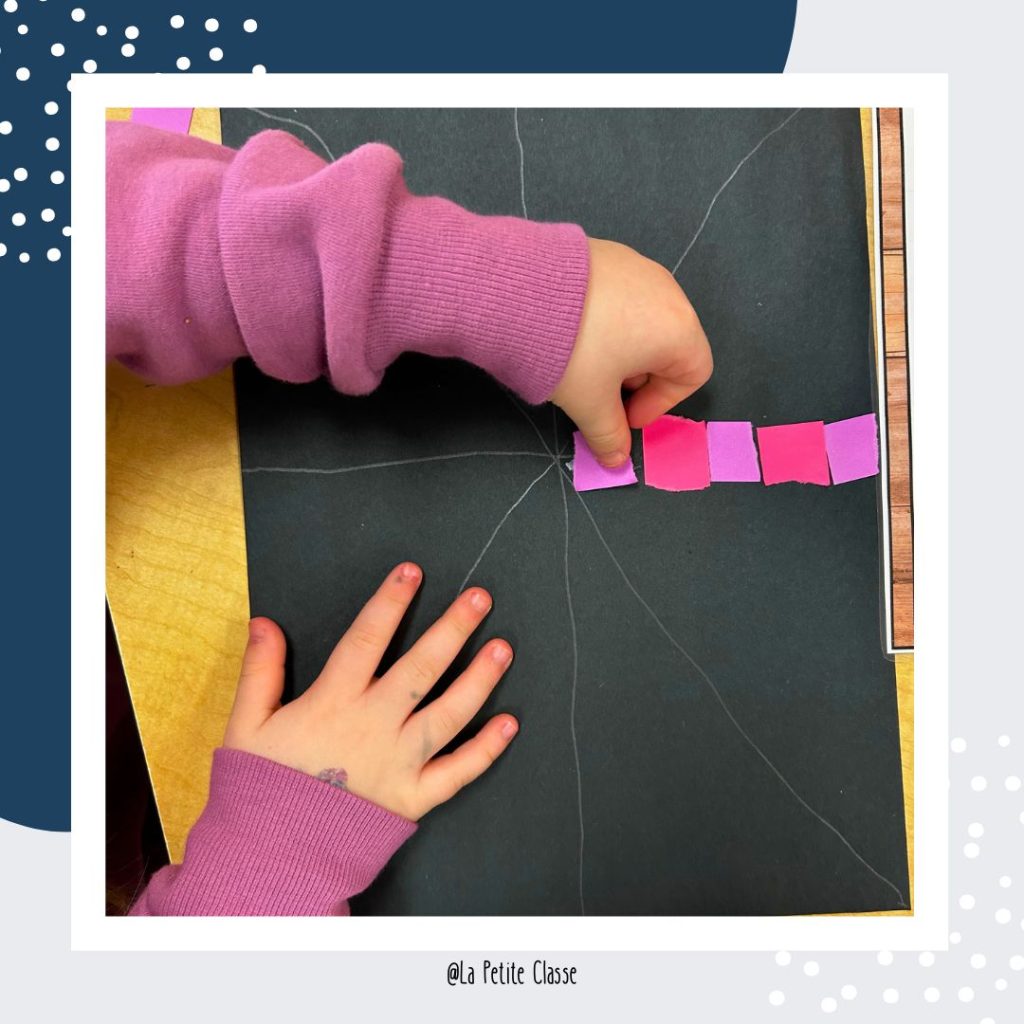
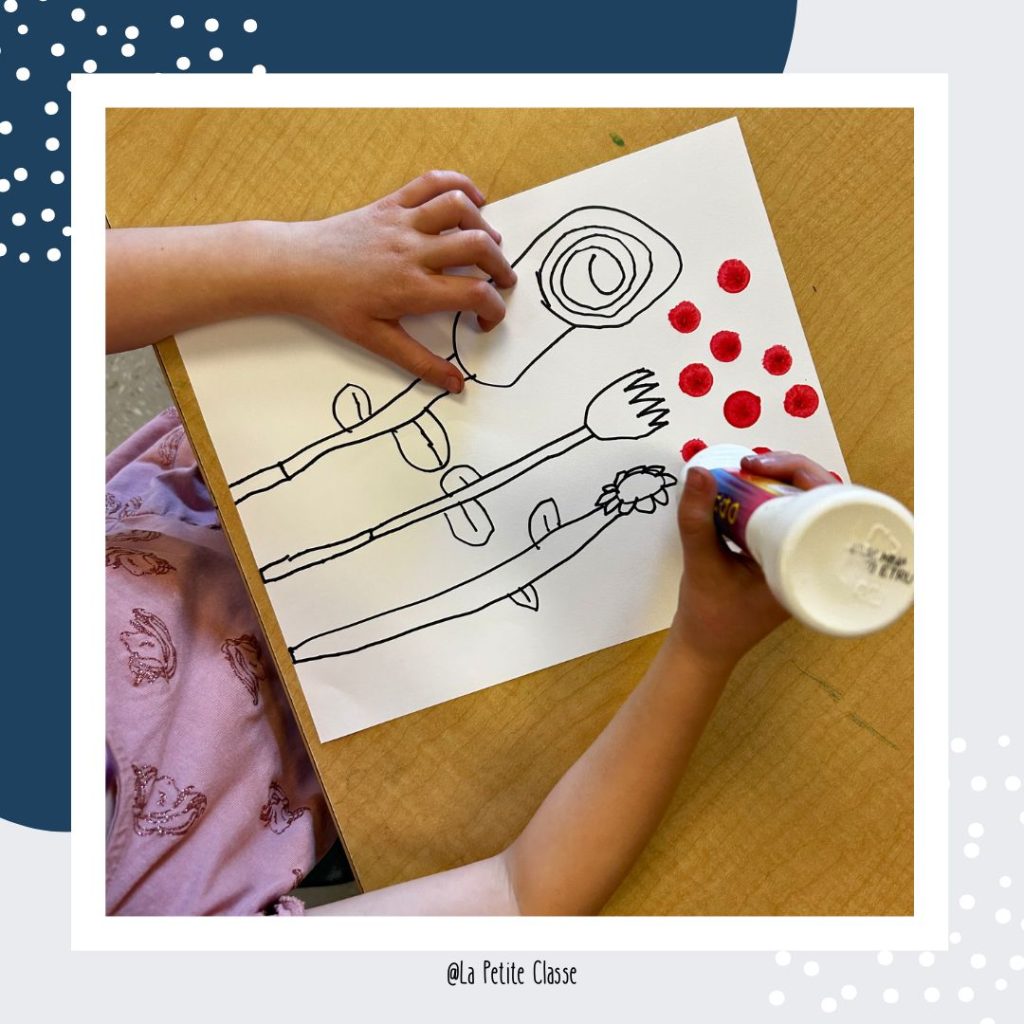
Give students strips or pieces of paper and let them tear, rip, scrunch, and glue.
You can keep it completely open-ended or turn it into a simple art activity. Try making a collage, filling in a shape, or creating a seasonal picture.
It is also an easy one to connect to language learning. Students can sort pieces by colour, match colours to French vocabulary, or use their finished artwork as a chance to practise simple words.
And yes, sometimes the simplest activities are the ones that keep students busy the longest.
Tweezers, Tongs, and Small Objects
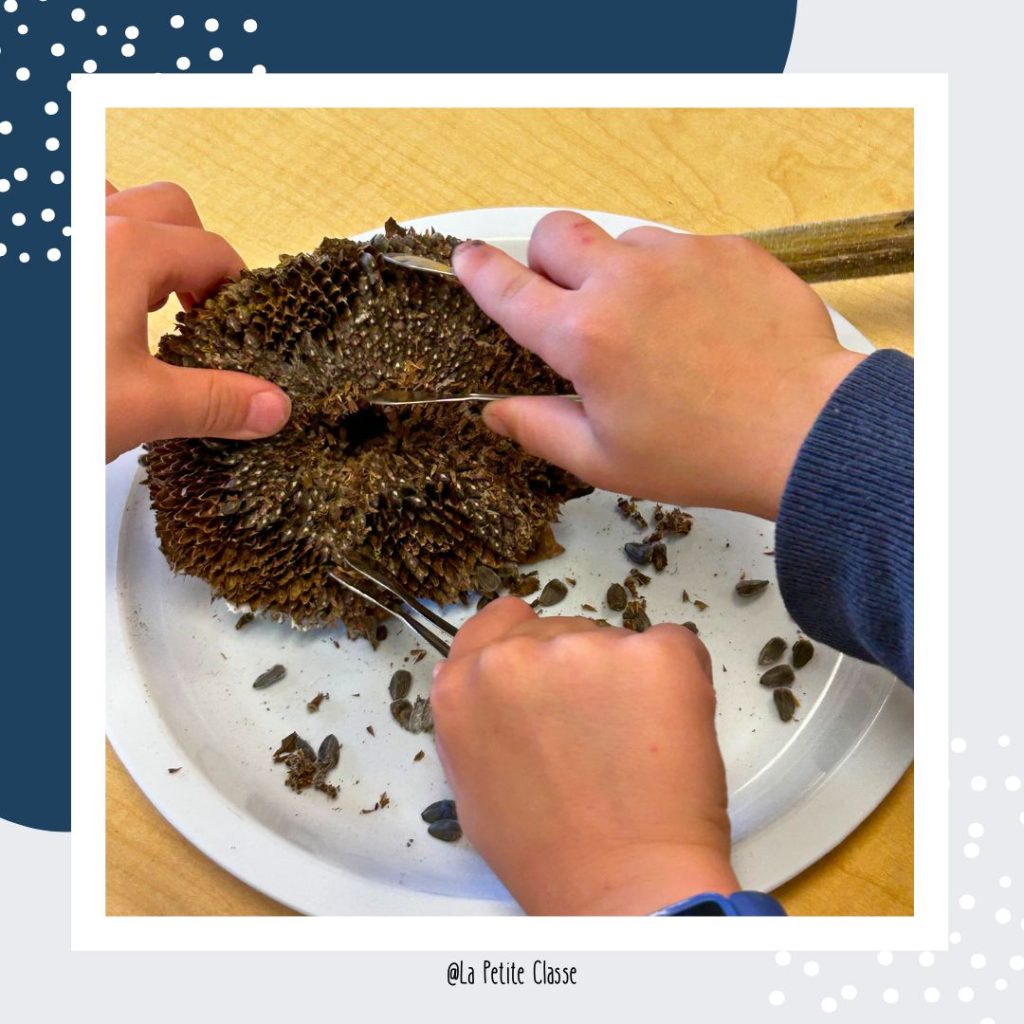
Set out some tweezers or tongs with small objects and give students something to sort, move, or count.
Pom-poms, buttons, small blocks, beads, or other classroom materials can work.
This is another activity that can easily become a centre. Students are working on hand strength and coordination while also sorting, counting, matching, or using vocabulary.
Cutting and Gluing
I don’t expect every student to be ready for detailed cutting at the beginning of the year.
Instead, I like to give students plenty of opportunities to simply practise.
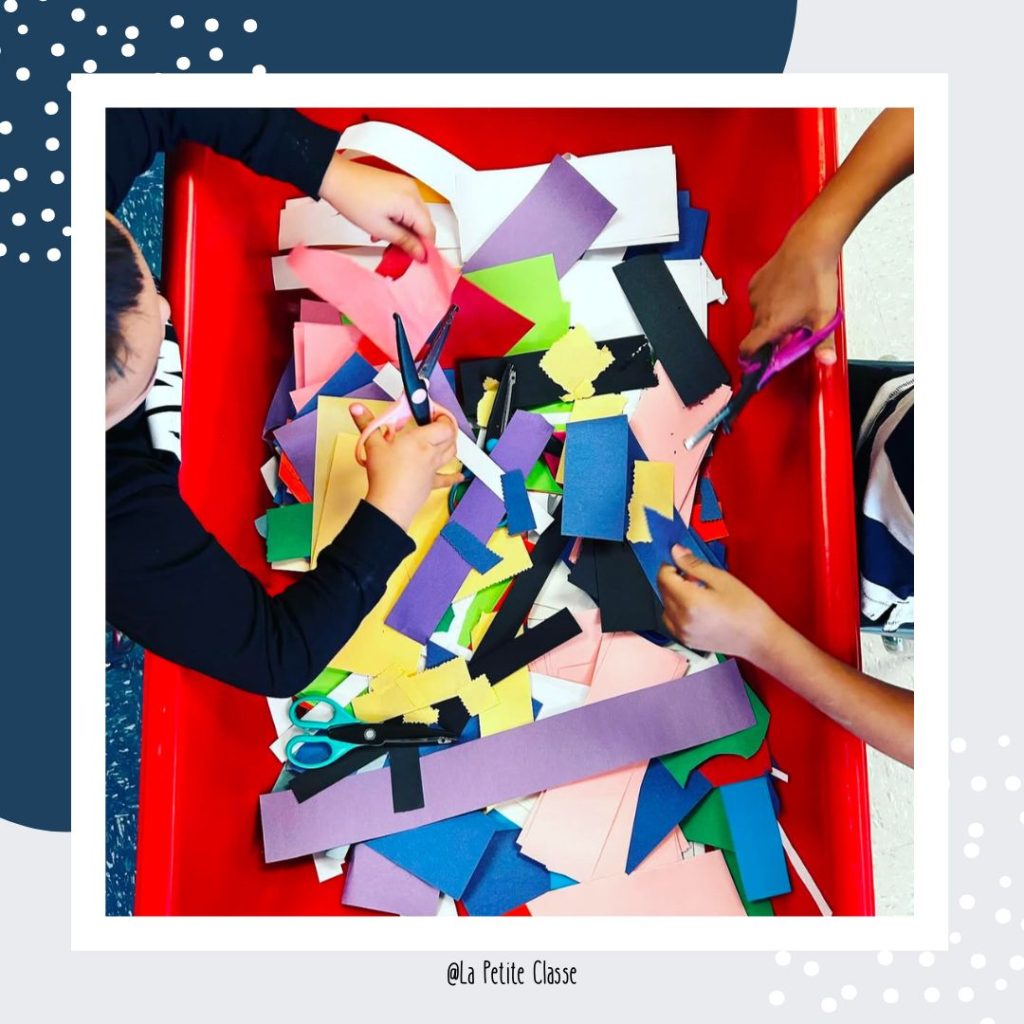
Cutting strips of paper, snipping around lines, cutting pictures, and gluing pieces together all give students a chance to work on those skills without the pressure of creating a perfect project.
Sometimes the goal really is just to practise the skill.
Building
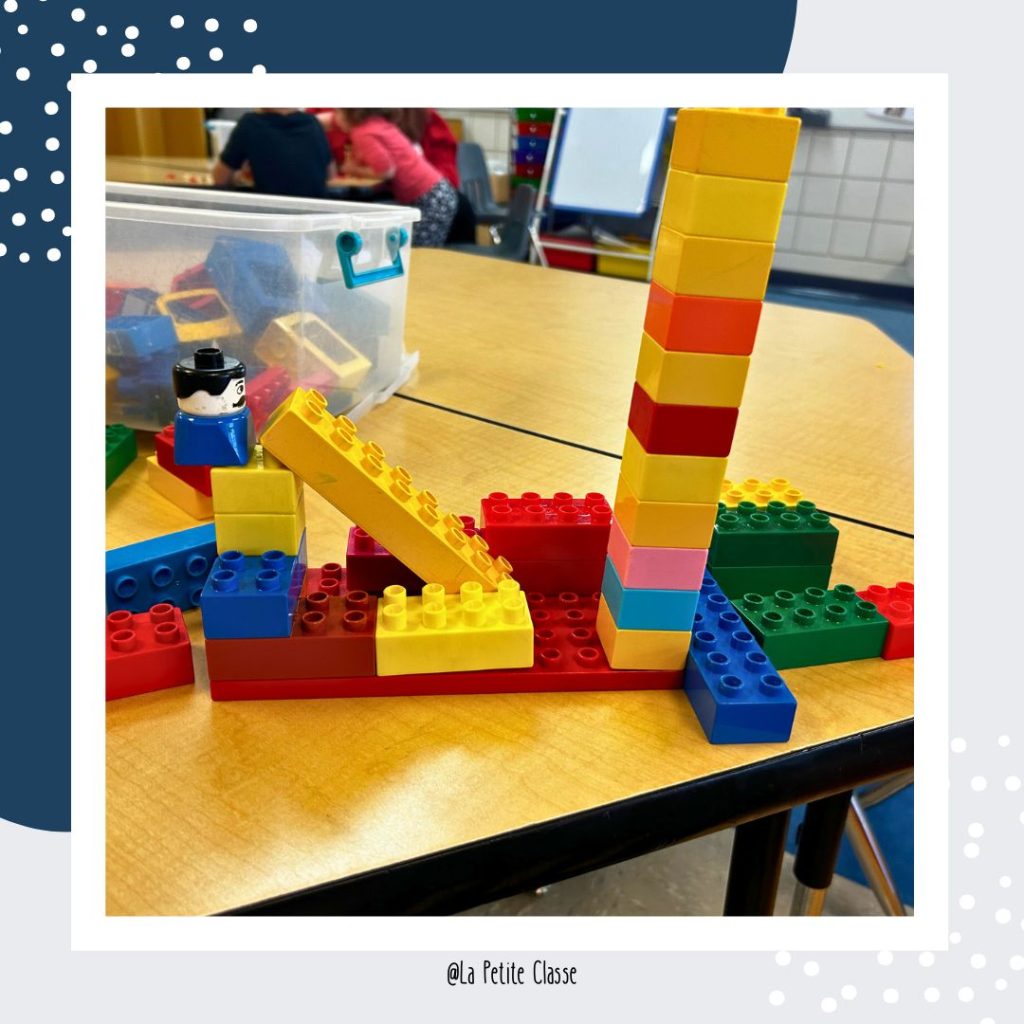
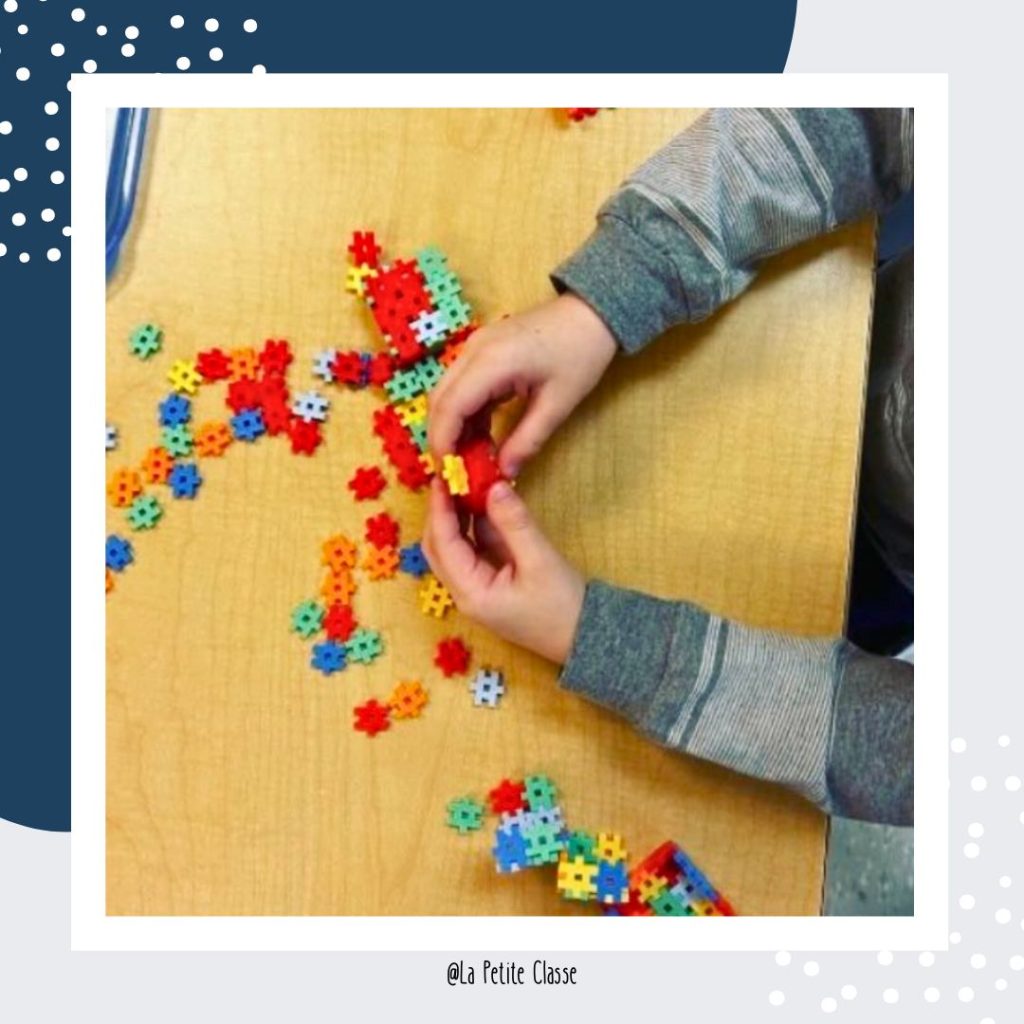
Building is another great way to work on fine motor skills without making it feel like fine motor practice.
Blocks, LEGO, magnetic tiles, linking cubes, geoboards, and other building materials all require students to use their hands in different ways.
And there are so many opportunities for learning at the same time.
Students can build letters, numbers, shapes, towers, or their own creations. They can count, compare, describe, and talk about what they are making.
Make Fine Motor Part of Your Centres
The biggest thing I try to remember is that fine motor practice doesn’t have to be a separate activity.
It can be part of the centres students are already doing.
A play dough centre can become a fine motor activity.
A building centre can become a fine motor activity.
An art activity can become a fine motor activity.
Even something as simple as tearing paper and gluing it onto a page gives students a chance to practise those small hand movements.
The beginning of the year is a great time to give students lots of opportunities to build these skills without putting pressure on them to produce perfect writing.
Keep it simple. Let them practise. And give them lots of chances to use their hands.
If you are looking for more simple, hands-on activities that build fine motor skills while keeping students engaged, you can find ready-to-use resources in my TPT store. Many of my activities are designed to be easy to set up and flexible enough to use as centres, small-group activities, or independent practice.