Some run smoothly, students stay engaged, and you barely need to step in. Others fall apart quickly, require constant support, or turn into something you have to reteach every time.
Over time, I’ve found it usually comes down to a few key things.
1. Students already know how it works
The biggest factor in whether a centre works is familiarity.
If students have to stop and ask what to do, or if you are explaining the same directions over and over, the centre is not going to run well independently.
The best centres are the ones where students already understand the routine. You are not teaching the activity — you are just changing the content.
2. The expectations are simple and consistent
Centres work best when expectations do not change every time.
Students should know:
what it looks like to start
what they are supposed to do
what it looks like when they are finished
If you are constantly adjusting rules or expectations, it becomes harder for students to stay independent.
Simple and consistent always works better than detailed and changing instructions.
3. The task is actually doable without support
If students need you every step of the way, it is not really a centre activity.
Strong centres are designed so students can complete them on their own or with a partner. That does not mean they are “easy” — it just means they are clear.
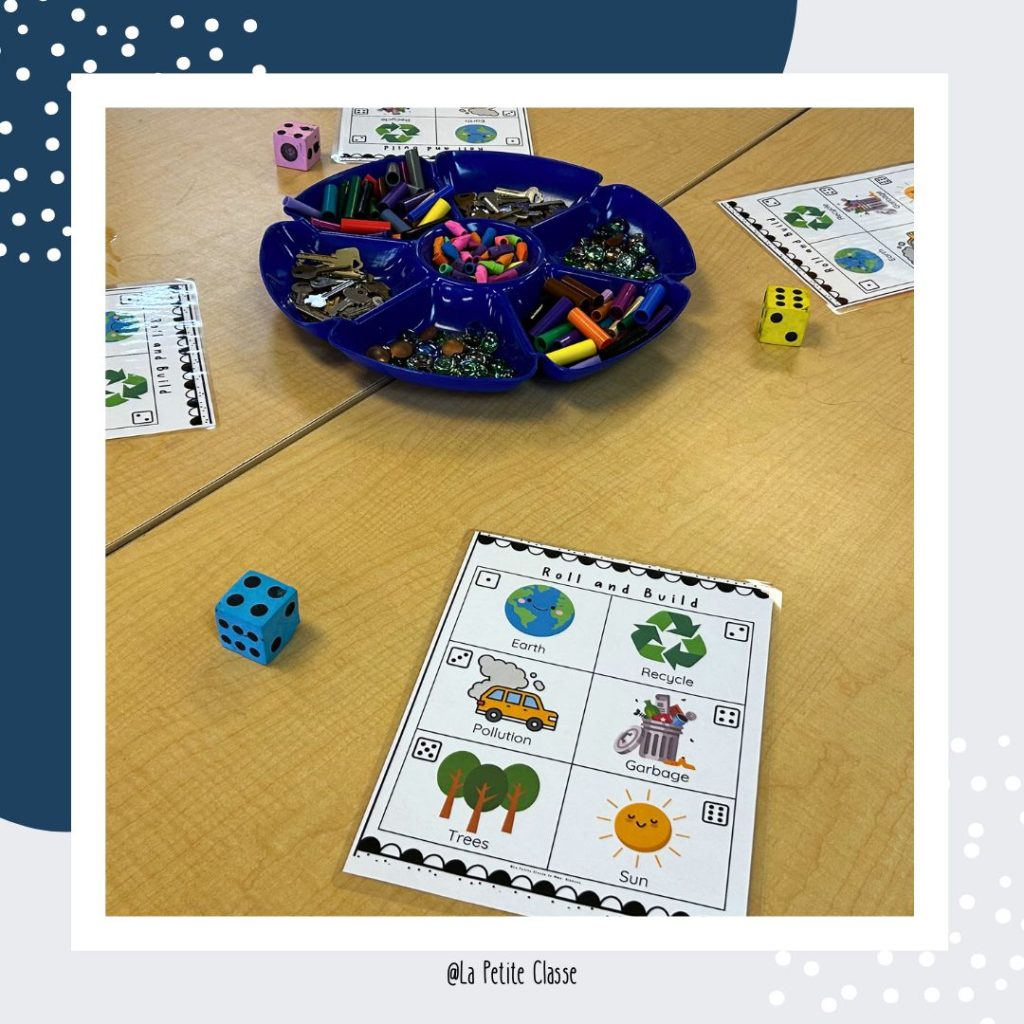
Matching activities, sorting tasks, simple writing with supports, building, drawing, or oral language games usually work well here.
In French, this might look like matching vocabulary to pictures, simple sentence cards, or oral question prompts that students can use independently.
4. It allows for independence, not perfection
The goal of centres is not perfect work.
It is independence.
Students should be able to stay engaged, make reasonable attempts, and keep moving through the task without constant adult correction.
When you shift the focus from “getting it right” to “staying engaged and working through it,” centres tend to run much more smoothly.
5. It fits your classroom reality
The best centre activity is not the most creative one — it is the one that actually fits your students, your time, and your energy.
If something looks great on paper but takes too long to prep or manage, it is probably not going to work long-term.
Simple always wins in real classrooms.
If you are building centres that actually run independently, it helps to start with activities that are already structured for you.
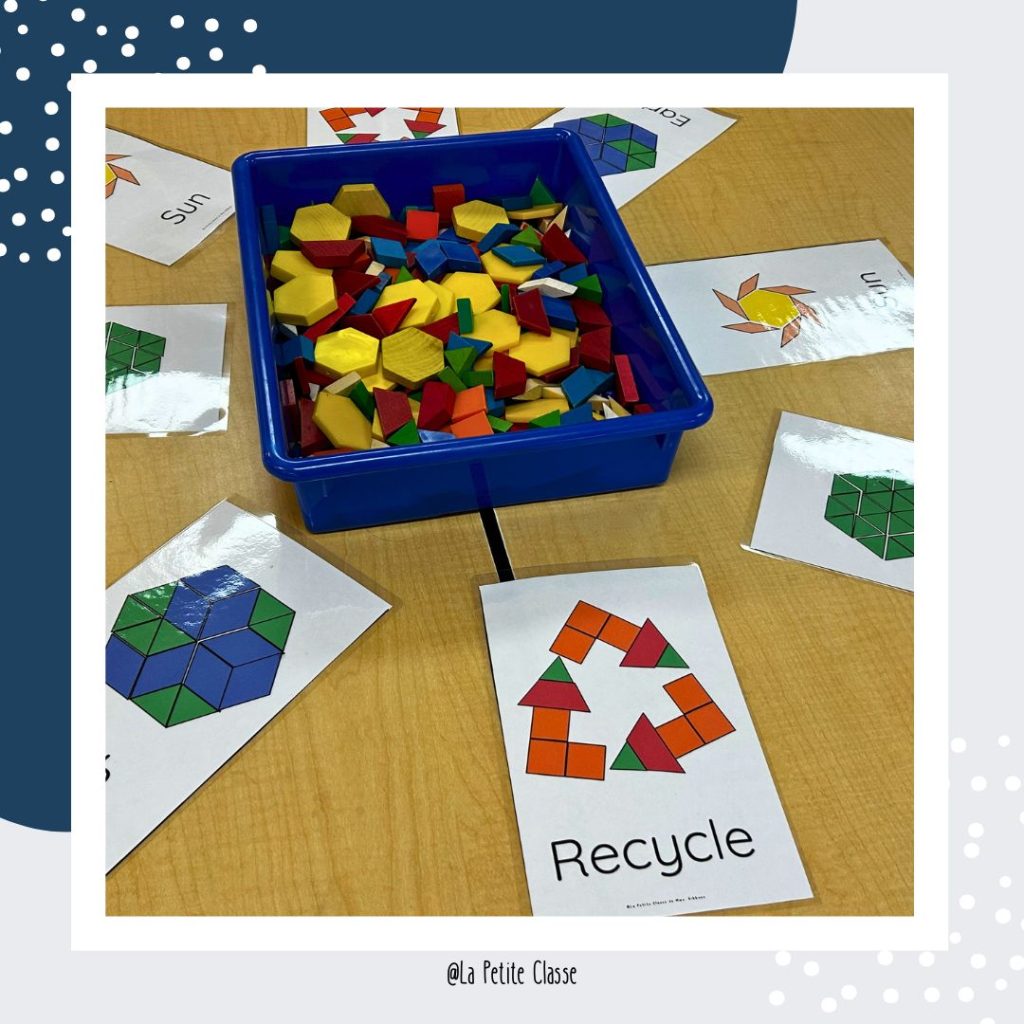
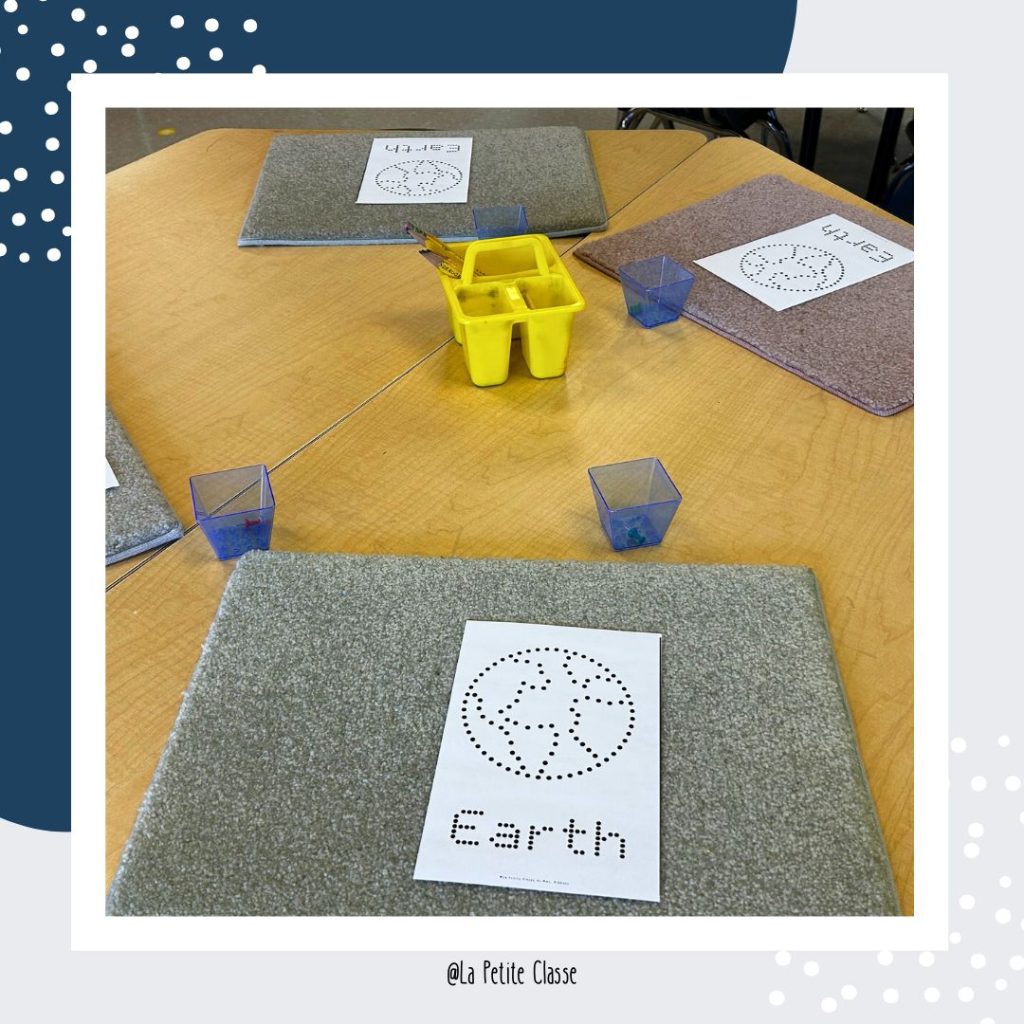
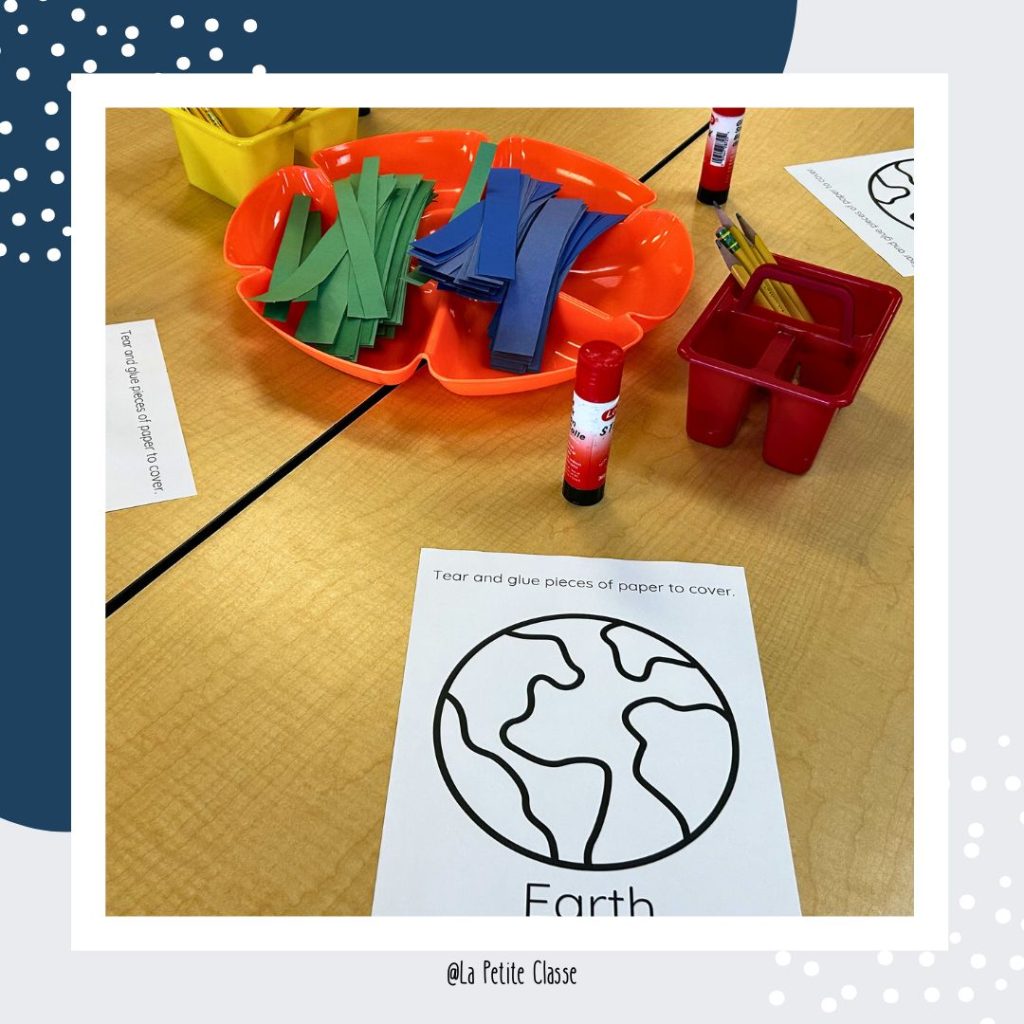
That is why I focus so much on simple, hands-on centre tasks that students can complete with minimal support. When the routine is consistent, you can swap out vocabulary or themes without having to rebuild the entire activity every time.
If you are looking for ready-to-use centre activities like this, you can find them in my TPT store. They are designed to be simple, predictable, and easy to use so you are not reinventing your centres each time you plan.