Home » Why Hands-On Learning Works So Well in June
Why Hands-On Learning Works So Well in June
Published June 25, 2026
June is a different kind of teaching.
Schedules change constantly, students are excited for summer, and attention spans are much shorter than they were earlier in the year. This is usually when I lean even more into hands-on learning.
Honestly, it just works better in June.
Students are usually more engaged when they are doing something instead of sitting for long periods of time. Simple centres, games, movement activities, and building tasks tend to hold their attention much longer than worksheets or longer written activities.
I also find hands-on learning helps support a wider range of learners. Some students are happy to speak, some prefer drawing or building, and some just need movement to stay focused. Giving students different ways to participate makes a big difference this time of year.
One of the biggest reasons I keep using hands-on activities in June is because the routines are already familiar. Students know how the centres work, they know the expectations, and I am not spending time teaching brand-new activities during the final weeks of school.
Usually I am just changing the vocabulary or theme instead of changing the actual activity.
Movement also matters a lot in June. Even simple things like scavenger hunts, partner games, or moving between activities can help students stay more regulated and focused throughout the day.
The nice thing about hands-on learning is that it does not need to be complicated to work. Some of the activities my students enjoy the most are also the simplest:
matching games
vocabulary hunts
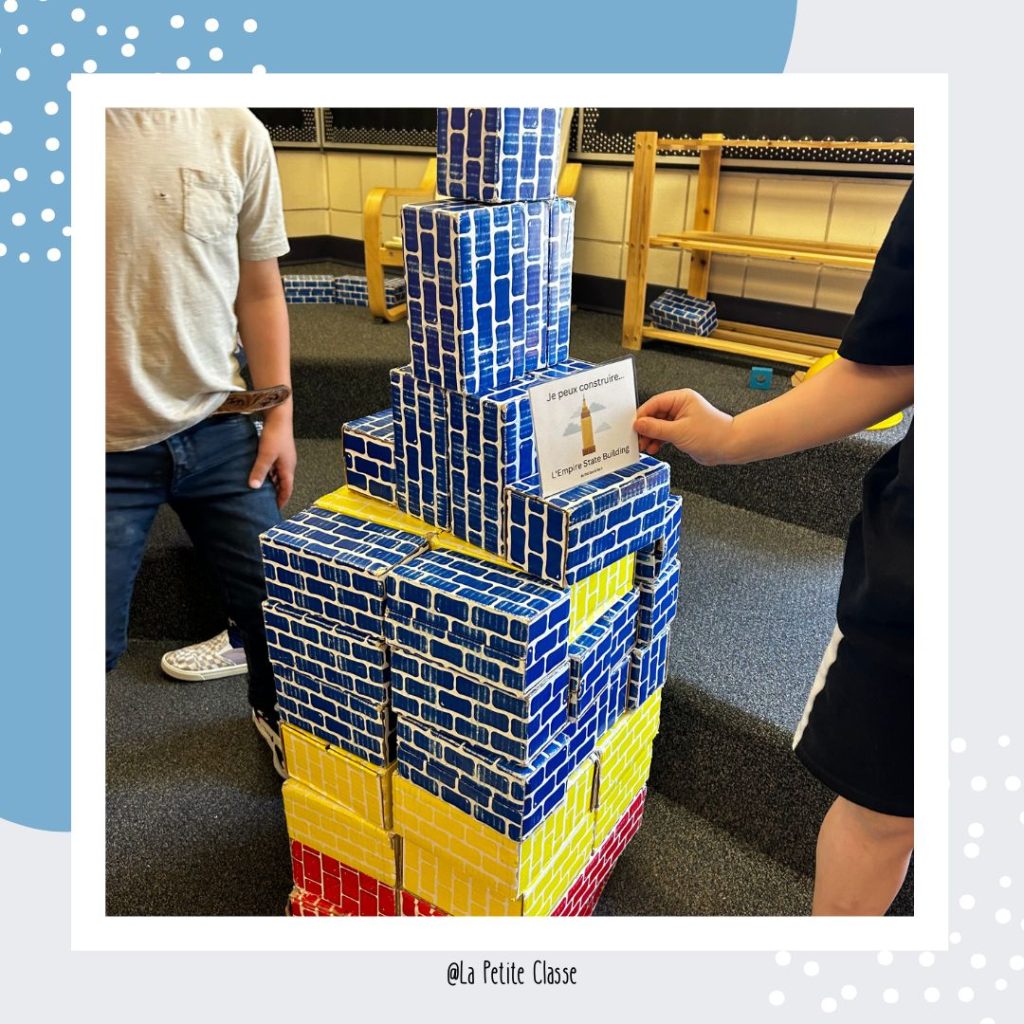
building activities
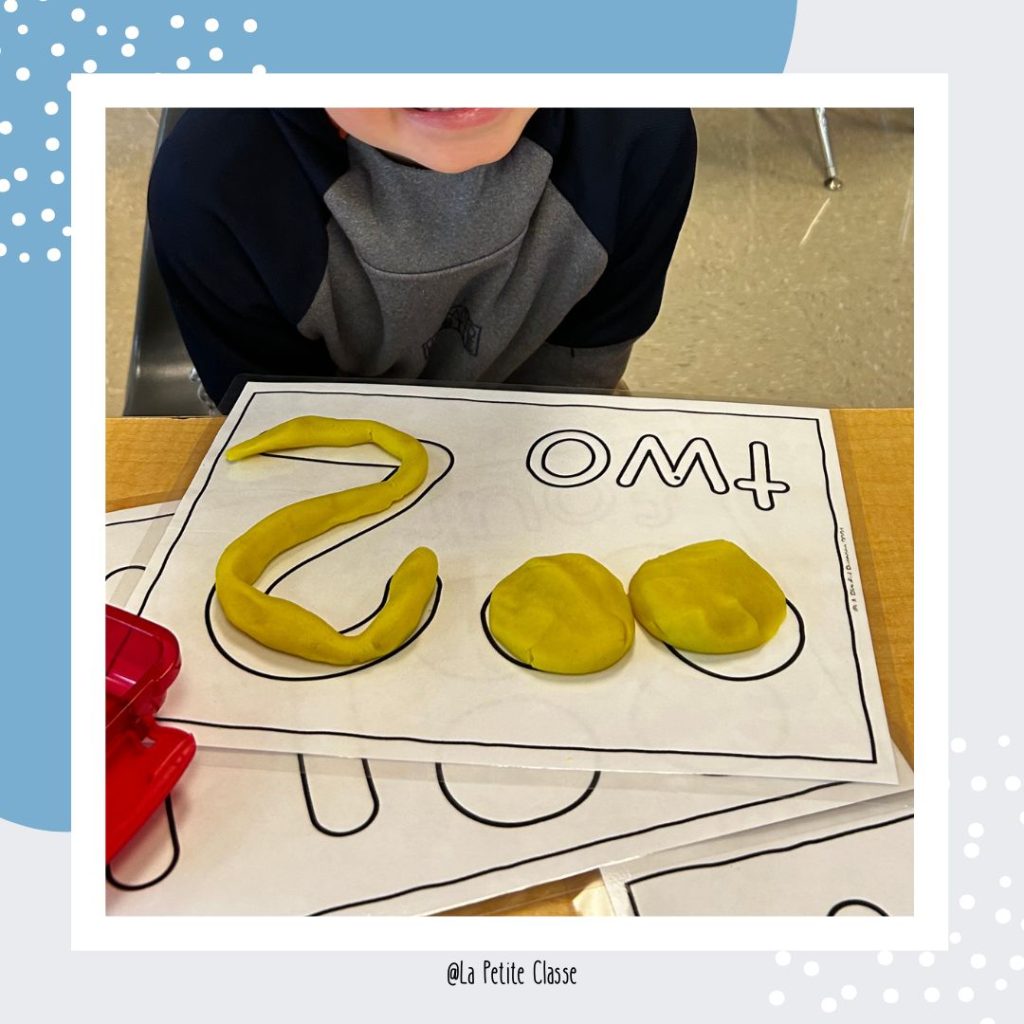
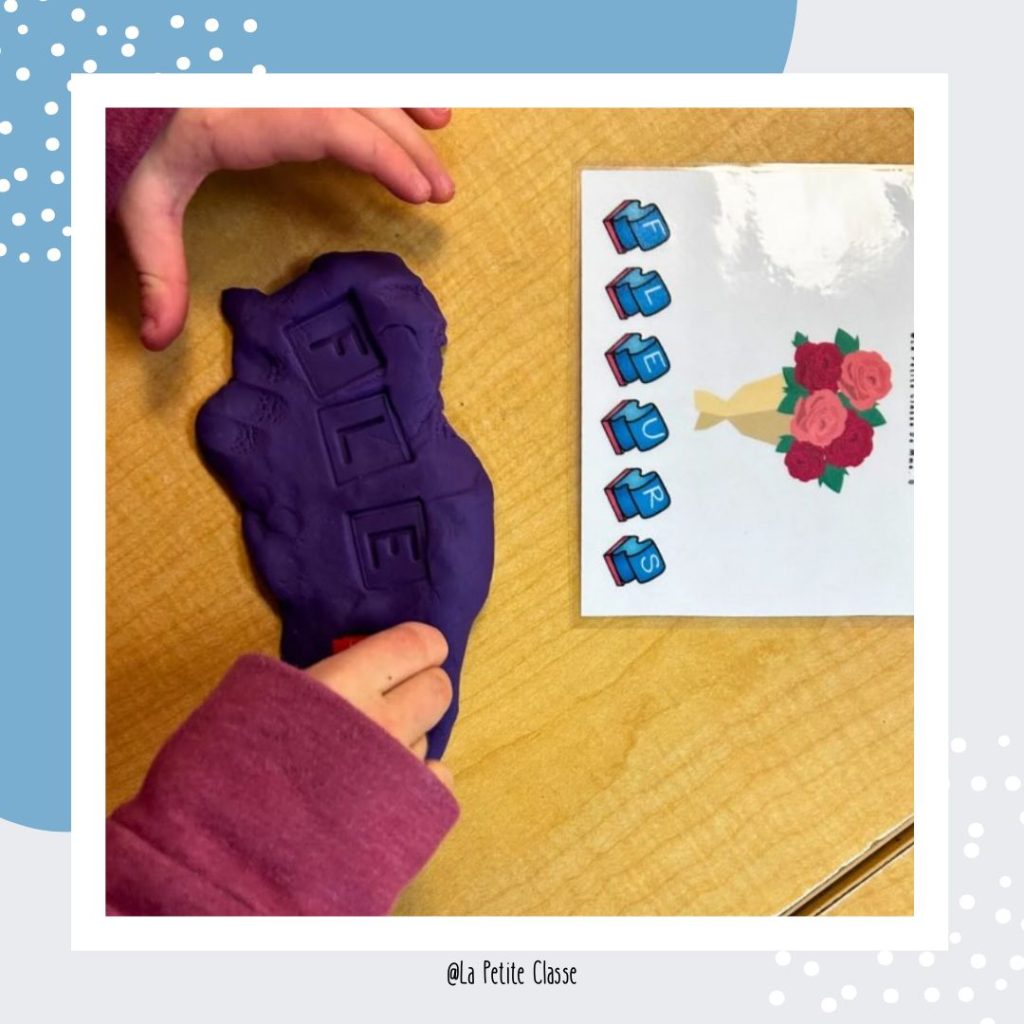
play dough words
drawing and labeling
simple oral language games
By June, I am not trying to make everything elaborate. I just want activities that keep students engaged, keep routines manageable, and still allow learning to happen.
Simple and familiar usually works best this time of year.
If you want low-prep, hands-on French activities that work well right through June, you can find my resources on TPT.