Home » Low-Prep End-of-Year French Activities That Still Work in Kindergarten
Low-Prep End-of-Year French Activities That Still Work in Kindergarten
Published June 18, 2026
June in Kindergarten is busy. Between reports, assemblies, special events, and excitement about summer, routines get harder to hold.
You do not need anything elaborate to get through it. Low-prep, hands-on activities are usually what work best this time of year.
Here are a few that hold up well in French class:
1. Building activities
Open-ended building centres work really well in June.
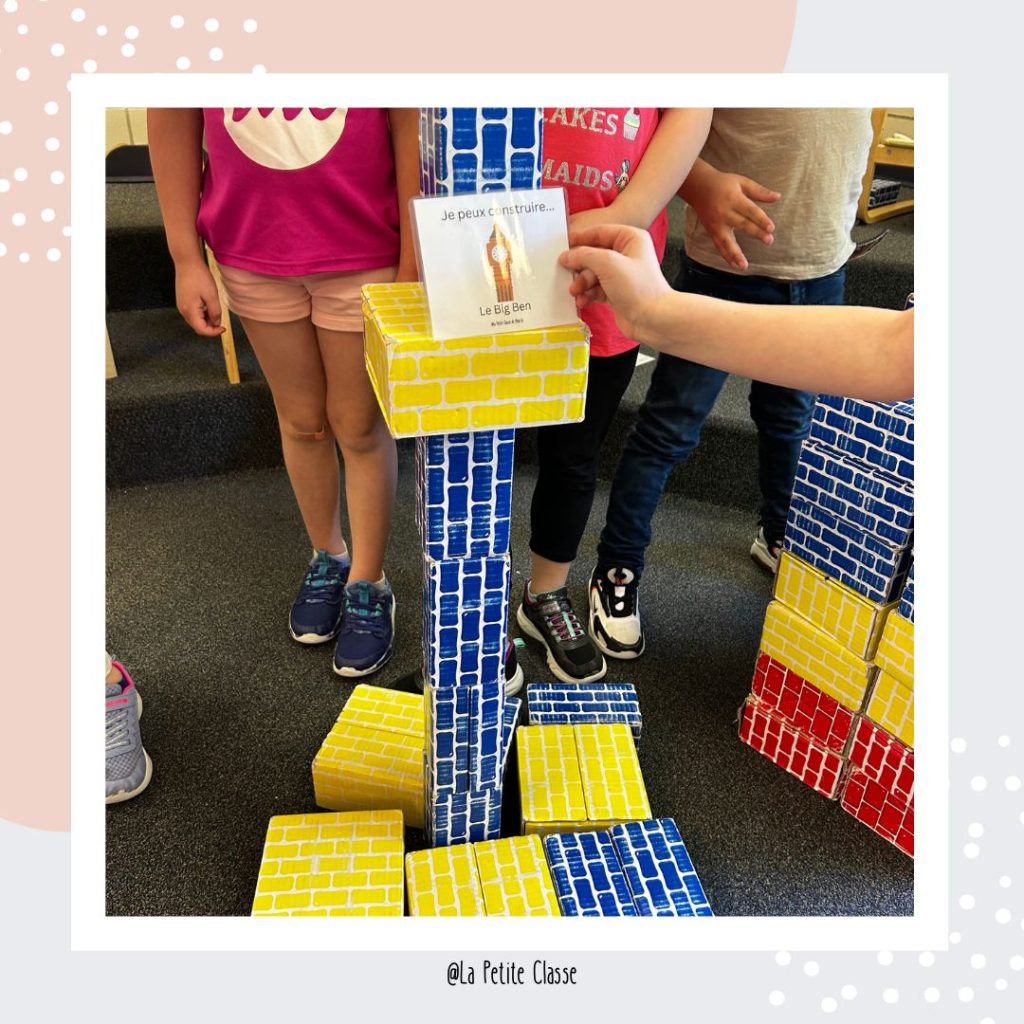
Students stay engaged because there is a clear task but lots of freedom. I like using building challenges where students recreate landmarks or structures using blocks or loose parts.
You can easily connect it to French by adding vocabulary labels or simple prompts during French days (for example, naming shapes, materials, or describing what they built).
It is simple, hands-on, and keeps students working without constant direction.
2. Outdoor learning
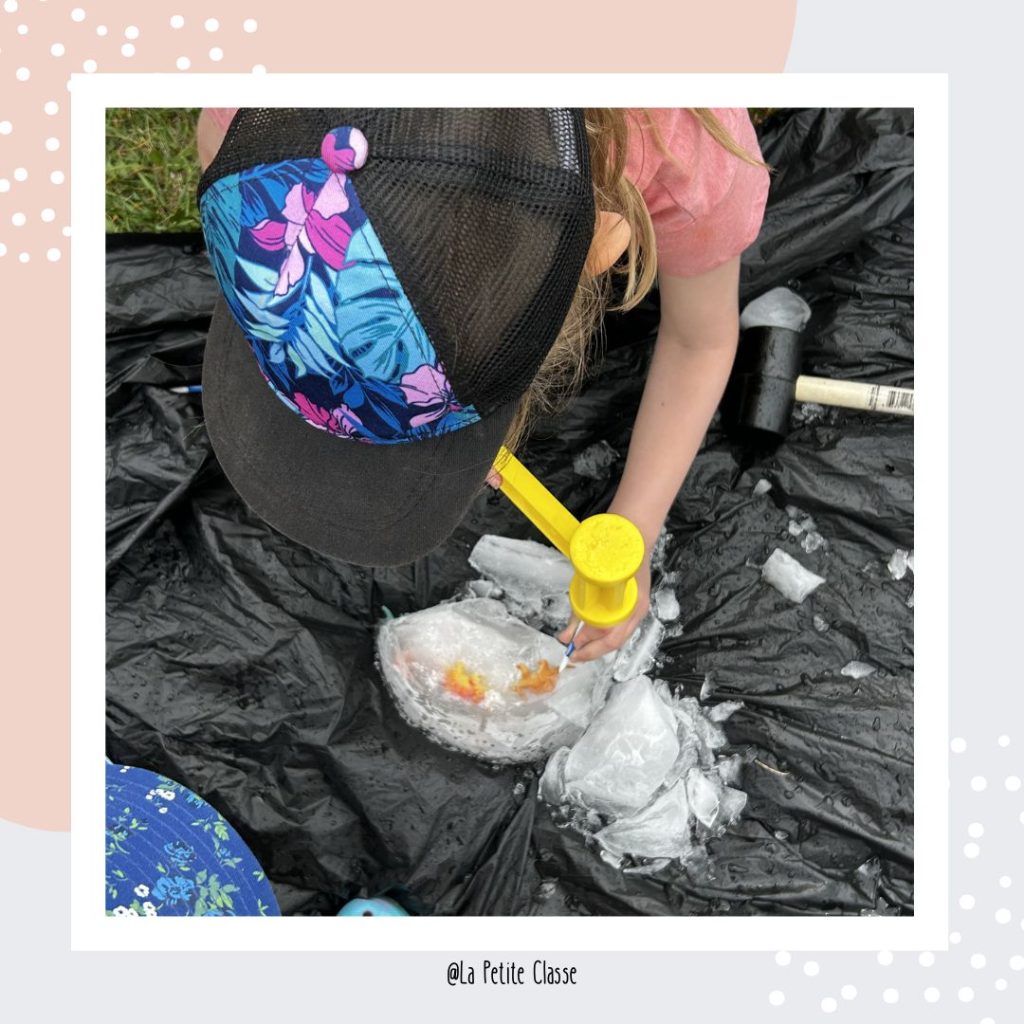
If you can get outside, keep it simple. Use the space for easy French learning through observation, movement, and quick tasks. Students can search for vocabulary in their environment, play simple action games, or respond to prompts using what they see around them. It feels like play, but there is still clear learning happening.
3. Movement and action activities
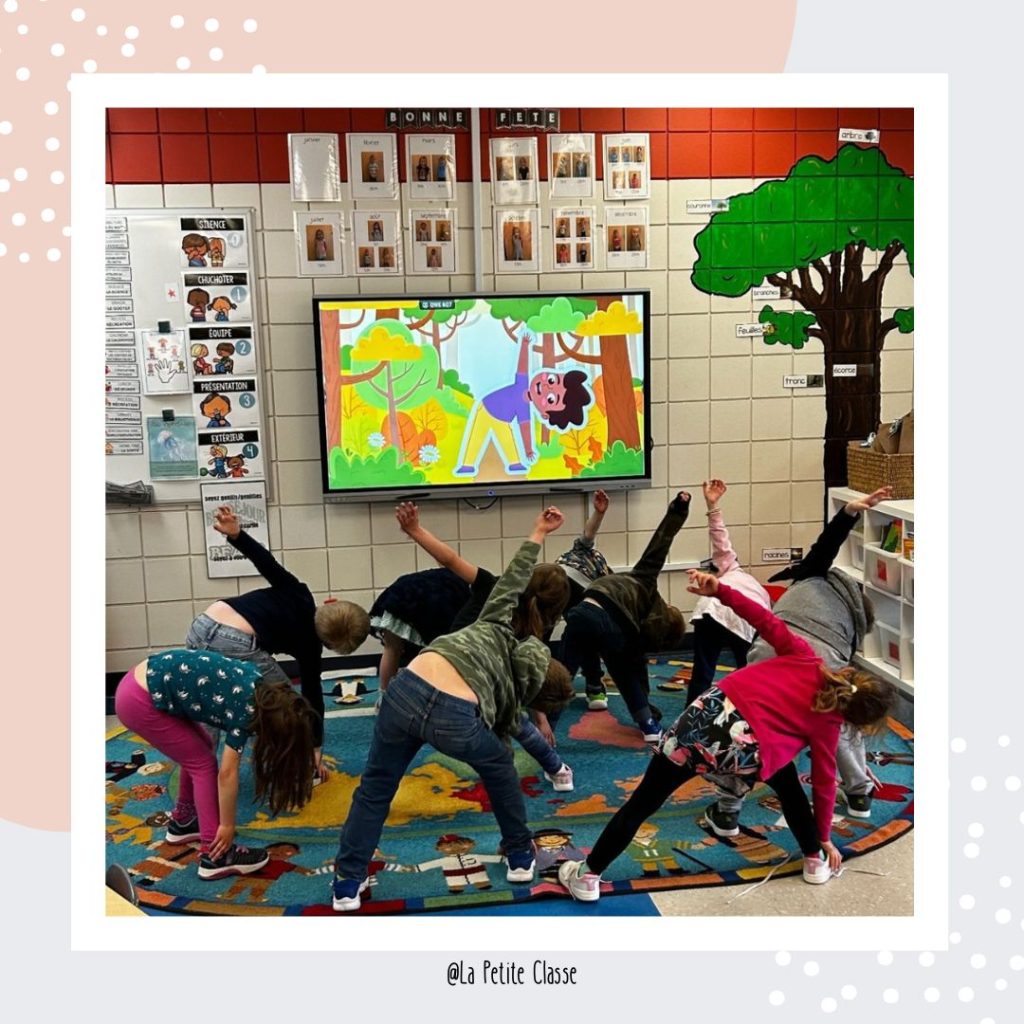
Movement breaks are not optional in June — they are necessary.
Simple French games like Jacques a dit or action-based vocabulary games work well because students are already moving and engaged.
You can use them between tasks or as a reset when attention drops.
Keep instructions short and familiar so you are not constantly reteaching the game.
4. Simple art with reflection
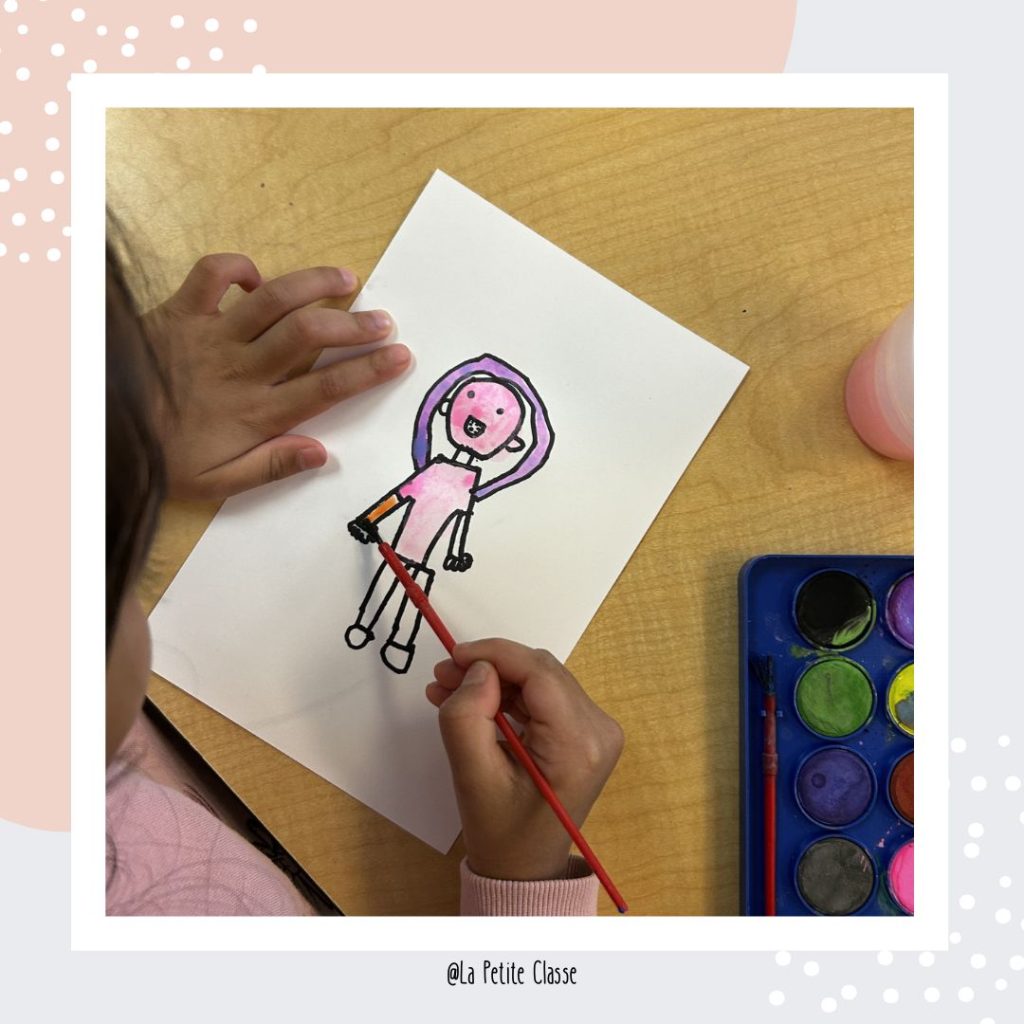
End-of-year art works well when it is open-ended.
Give students a prompt like drawing a favourite memory or something they learned this year. You can keep it bilingual with a simple French sentence and English support if needed.
It is a quiet, focused activity that still keeps them working independently.
5. Farewell / end-of-year routines
Practising for year-end events is usually part of June, but it does not need to take over the day.
Break it up. Short practice, then something calmer or more active in between.
You can also connect it to simple reflection activities about Kindergarten or what students are looking forward to next year.
The goal in June is not perfect lessons. It is keeping things structured enough that students can still learn while everything else is happening.
Simple, familiar activities will always carry you further than new ideas at this point in the year.