Home » What Teaching Kindergarten Taught Me About Fine Motor Skills
What Teaching Kindergarten Taught Me About Fine Motor Skills
Published March 19, 2026
When I first taught Kindergarten, I made the mistake of skipping over fine motor practice. I thought students could jump straight into writing, colouring, and other “academic” tasks.
What I quickly realized? Their stamina wasn’t there. They struggled to focus, their handwriting was shaky, and even simple colouring tasks became frustrating. And yes — behavioural issues started to rise.
That’s when I made a pivot. I started intentionally including hands-on fine motor activities every day. And the change was immediate: students could focus longer, write more confidently, and even their problem-solving improved.
Fine motor skills aren’t just “busy work.” They’re foundational for early learning — and they touch almost every part of a K–1 classroom experience.
Why Fine Motor Matters
Writing and Pencil Control Strong hands and fingers = smoother printing, tracing, and letter formation.
Math Manipulatives Sorting, linking, or moving small objects all requires precision — fine motor practice supports number sense and pattern work.
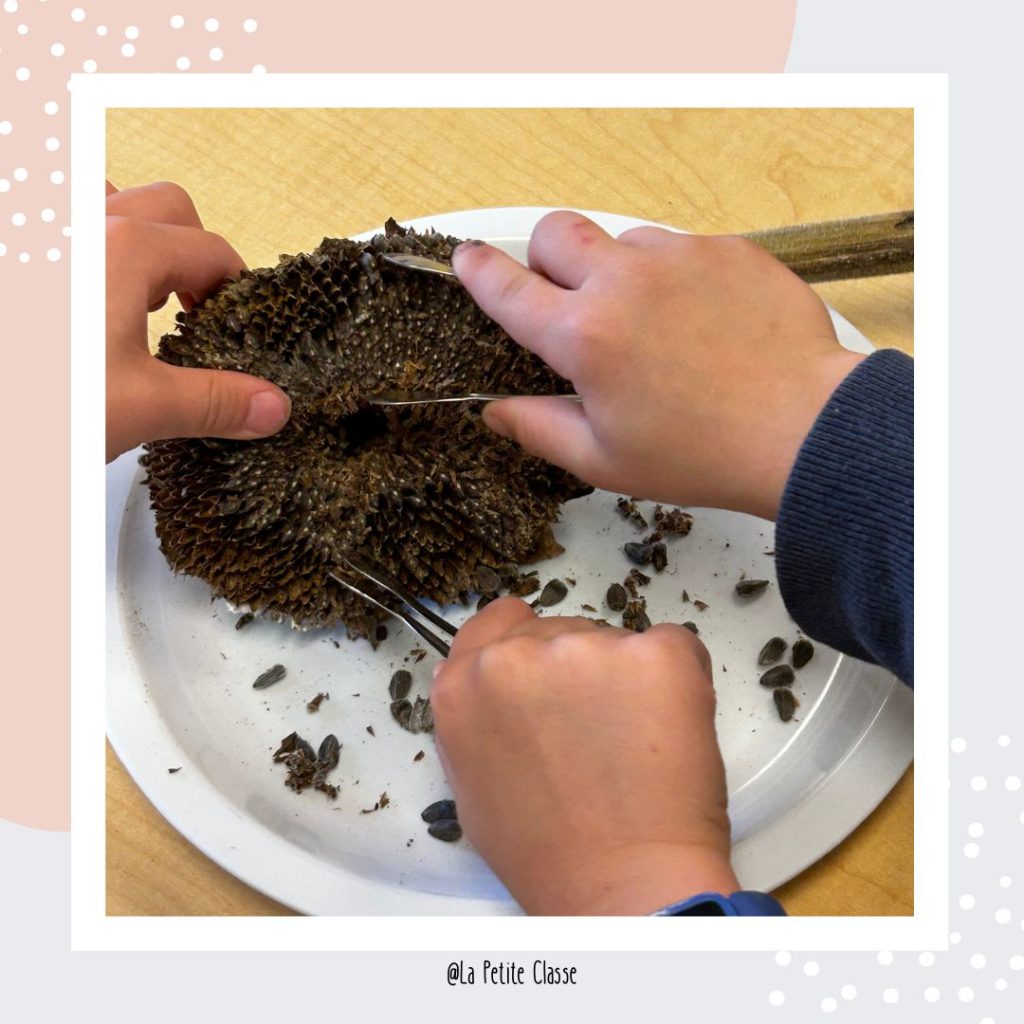
Focus and Regulation Tasks like threading beads, using tweezers, or tearing paper help students settle and focus before other activities.
Confidence and Independence When students can complete tasks on their own, they feel capable and ready to tackle more challenging work.
Low Prep Activities You Can Use
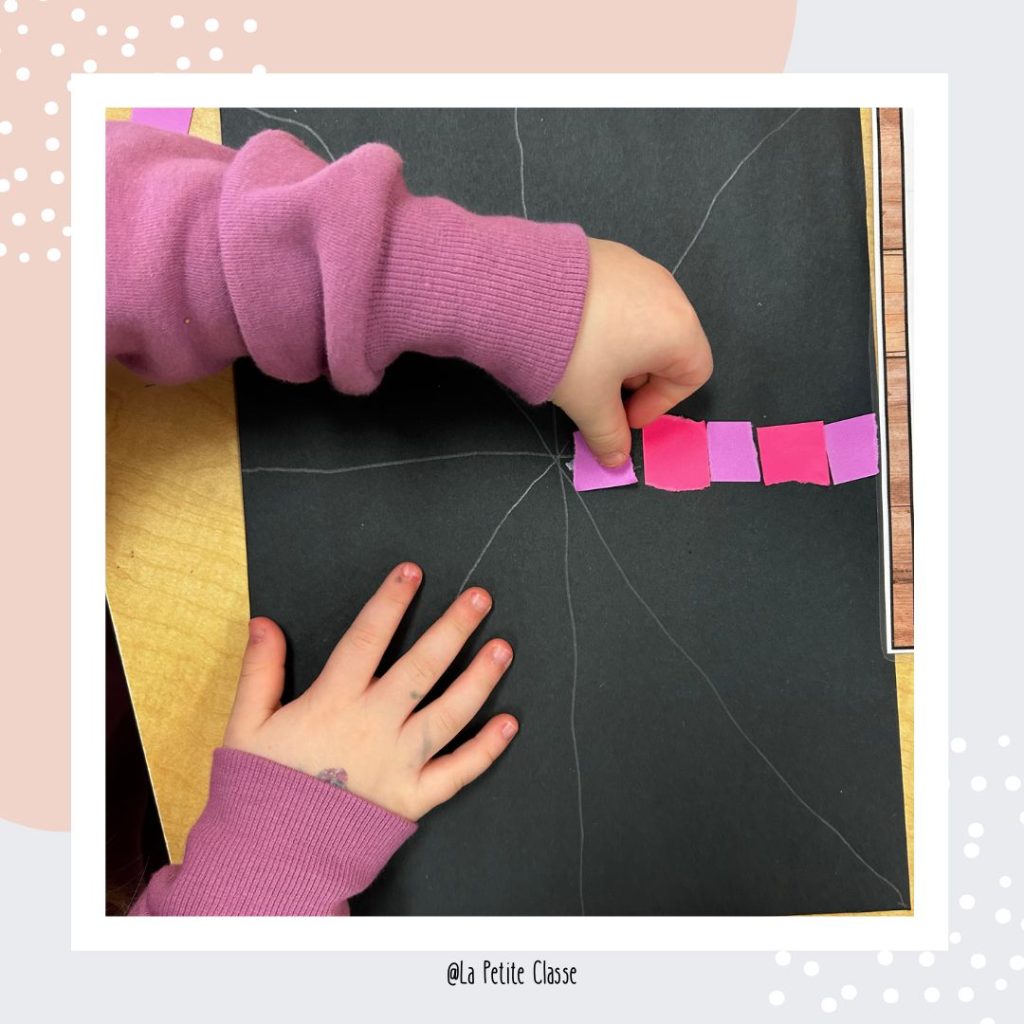
Tearing and Collage Tasks – strengthen hand muscles while creating simple art or themed projects
Sorting and Pinching – use pom-poms, buttons, or beads with tongs or fingers
Threading and Lacing – beads, shapes, or lacing cards build coordination and control
Stacking Activities – cubes, blocks, or linking chains support hand strength and precision
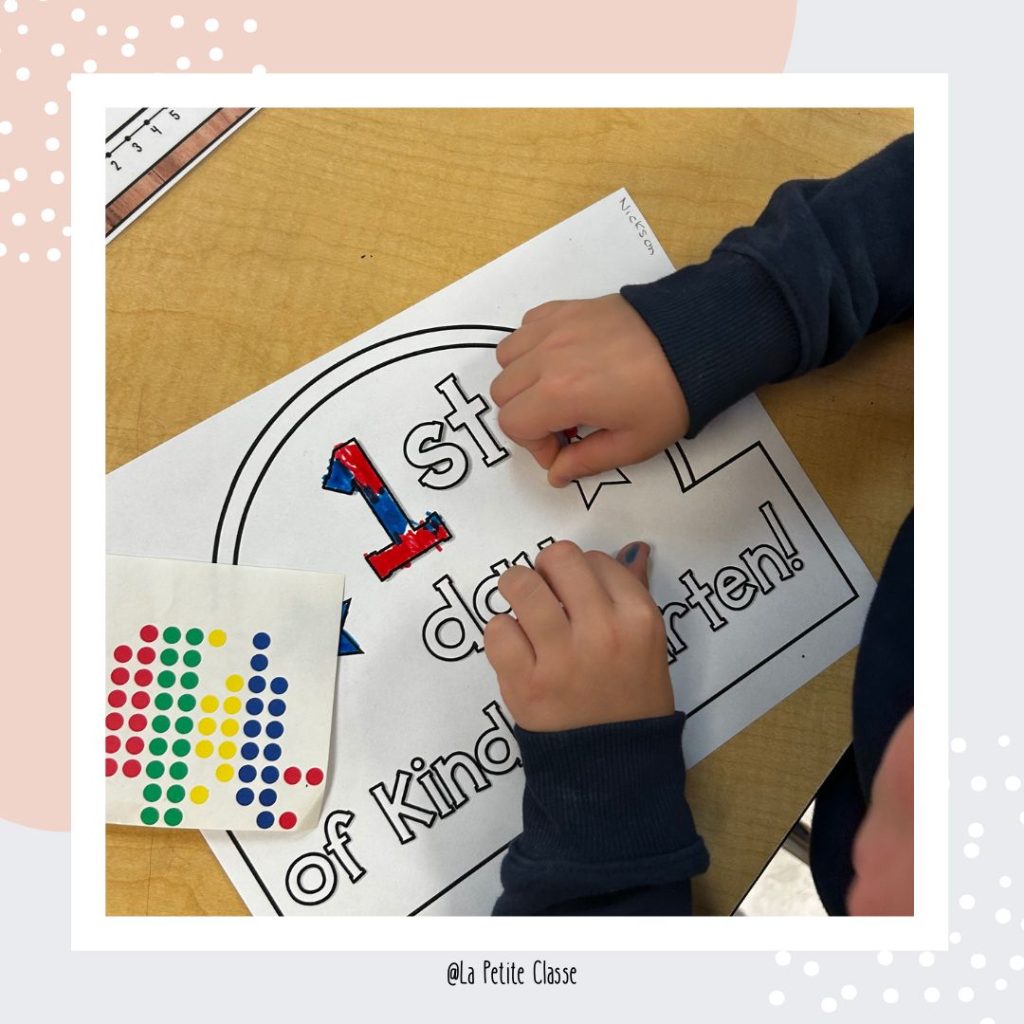
Stickers – peeling and placing stickers is simple but powerful for finger strength and control
Playdough – rolling, squeezing, and shaping builds hand muscles needed for writing
Cutting Practice – straight, zigzag, or shape cutting strengthens coordination and confidence
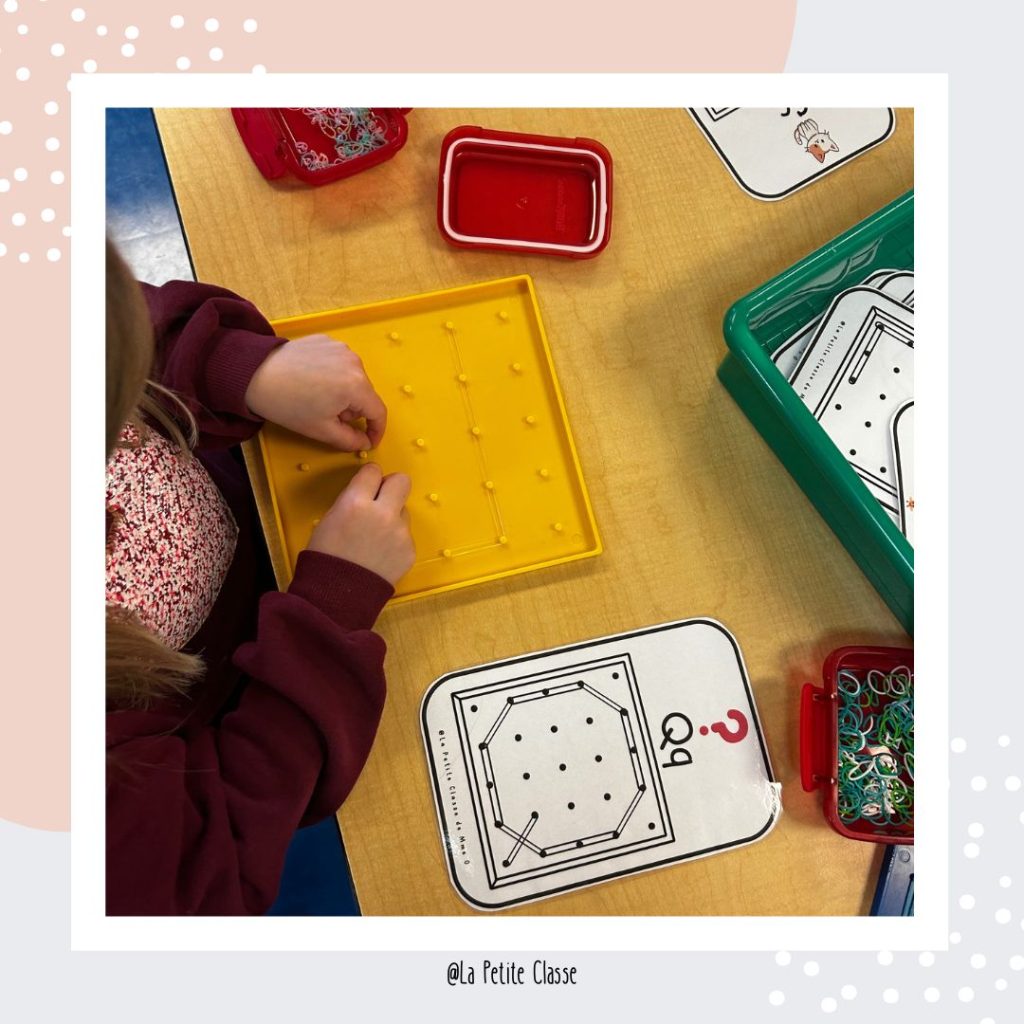
Manipulative Math – counters, links, or blocks that double as fine motor practice
All of these are low-prep, reusable, and easy to rotate, making them perfect for K–1 classrooms and support staff who want meaningful practice without extra planning.
Resources to Explore
If you’re looking for ready-to-use activities that support fine motor development, you can find a wide range of centres and hands-on resources in my La Petite Classe store.
You’ll find options that:
Build hand strength and coordination
Support early writing and math skills
Work across Kindergarten and Grade 1
Are available in both English and French
These are the kinds of activities I lean on when I want meaningful practice without adding more prep to my plate.
Bottom Line
Fine motor isn’t an extra. It’s the foundation for:
Writing stamina
Focus and attention
Confidence in learning
Smooth transitions into more complex tasks
Make time for it, even in short bursts, and you’ll see the difference — in engagement, learning, and behaviour.