Home » Why Hands-On French Works (And How I Keep It Simple in My Classroom)
Why Hands-On French Works (And How I Keep It Simple in My Classroom)
Published May 7, 2026
There’s a reason you see so many hands-on activities in early years classrooms — they just work.
And honestly, the same is true for French.
If you’ve been leaning on worksheets or paper tasks and feeling like your students are a bit checked out… it’s usually not the content. It’s just that they need a different way in.
They need to DO the language
When students are learning new vocabulary, they need more than seeing it on a page.
They need to:
touch it
say it
move it around
actually use it
That’s when it starts to stick.
So instead of just copying the word lapin, they might build it, sort it, or use it in a simple activity — and suddenly it means something to them.
This is why it works
Hands-on French just makes learning easier because:
students remember it better
they stay more engaged
they hear and use the language more often
it feels less like “work”
And the funny thing is — they don’t usually even realize how much French they’re picking up while they’re doing it.
That’s always the goal.
It reaches more students than worksheets ever will
Every classroom has a mix.
Some kids need movement. Some need something in their hands. Some shut down the second things feel too “paper heavy.”
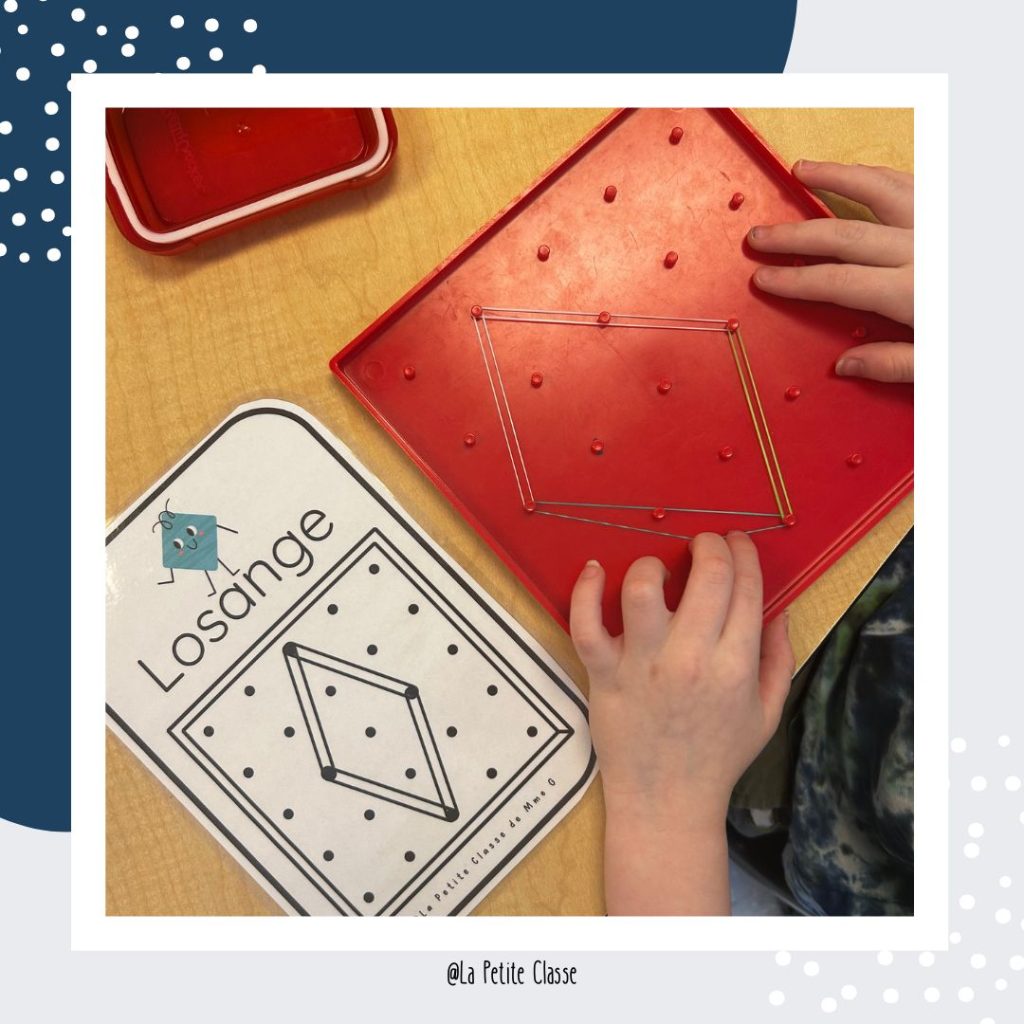
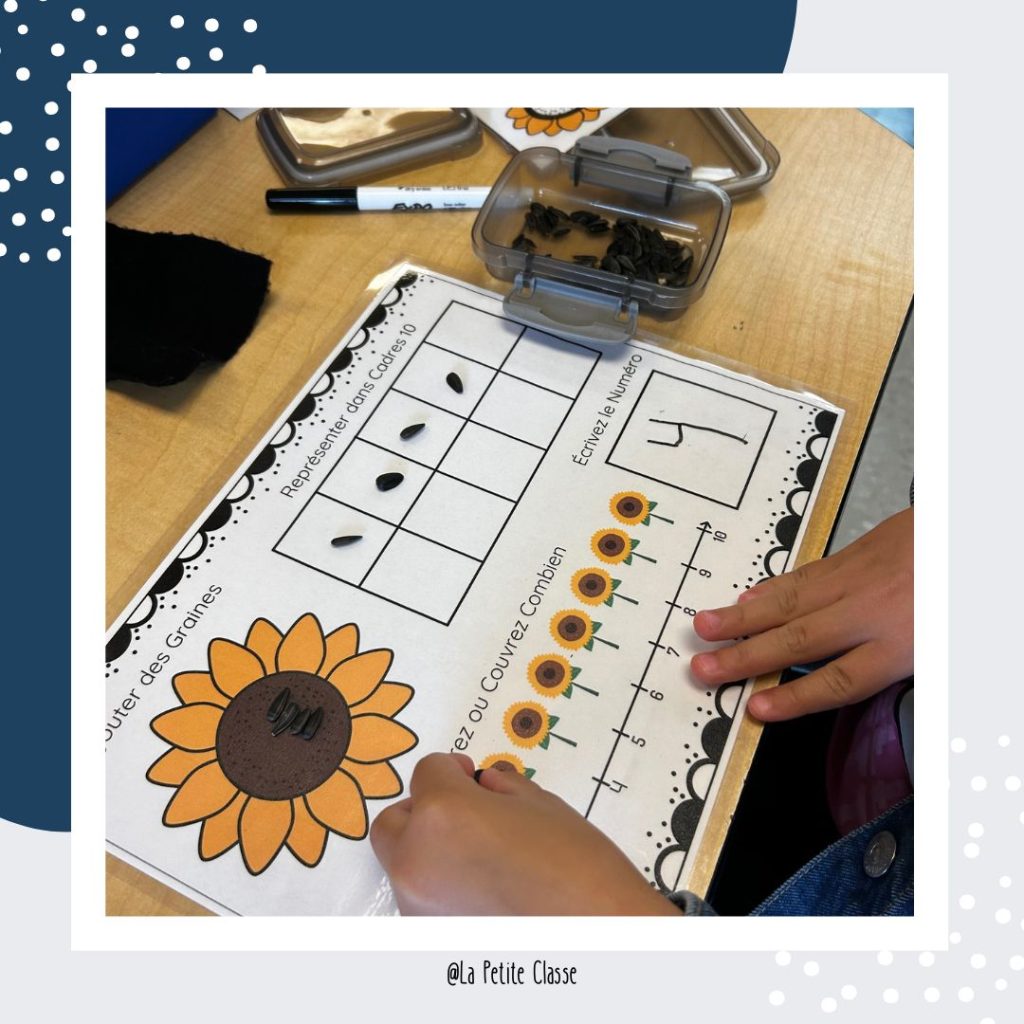
Hands-on activities give all of them a way in.
No one is stuck watching or waiting — they’re all doing something.
And it doesn’t have to be complicated
This is the part I always come back to — it really doesn’t need to be fancy.
Simple works best:
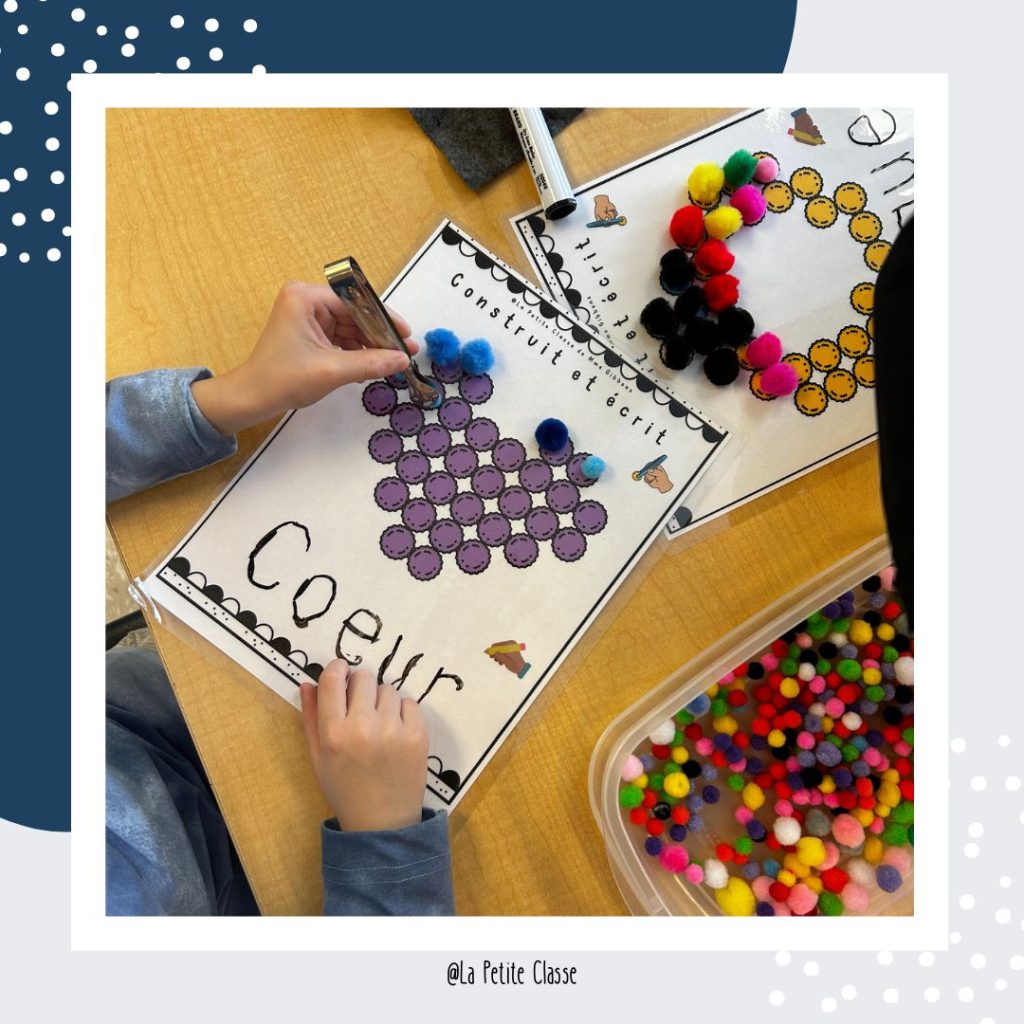
tweezers and pompom sorting
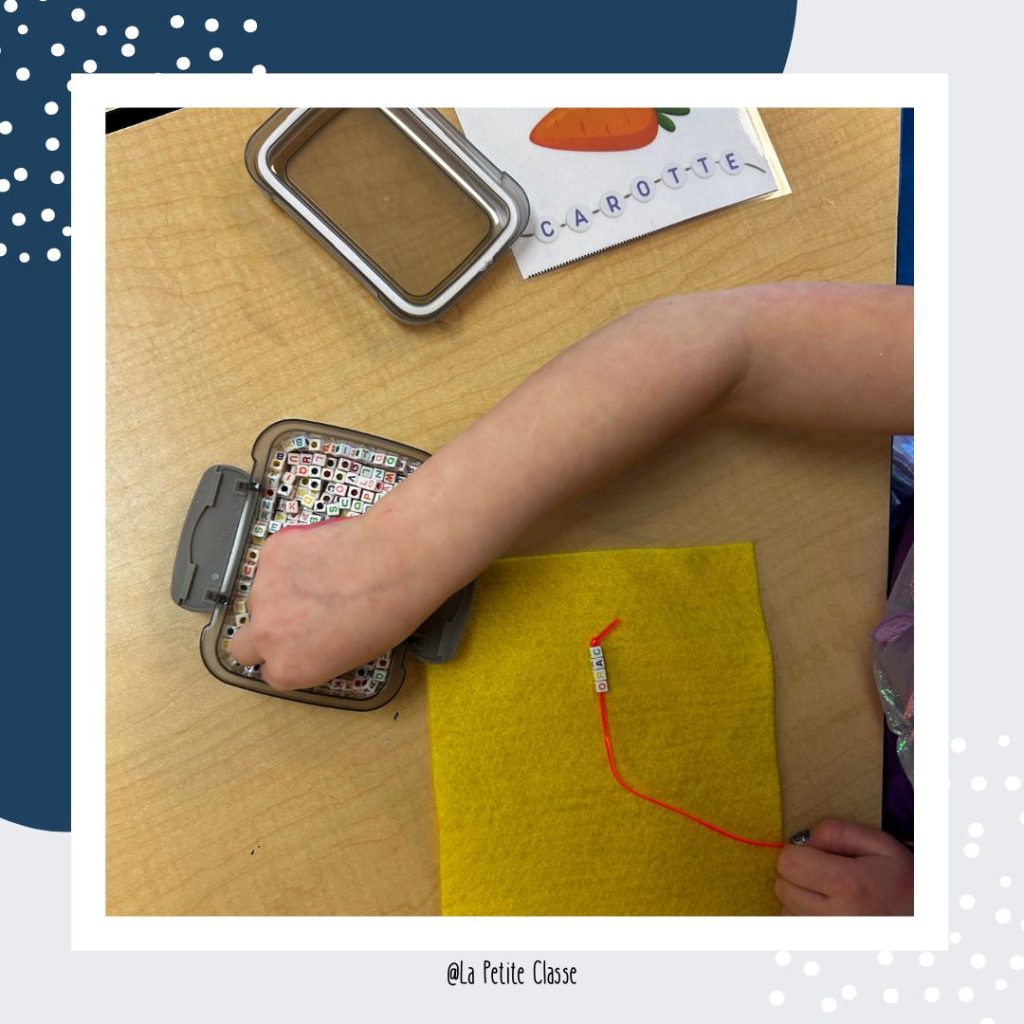
beading cards
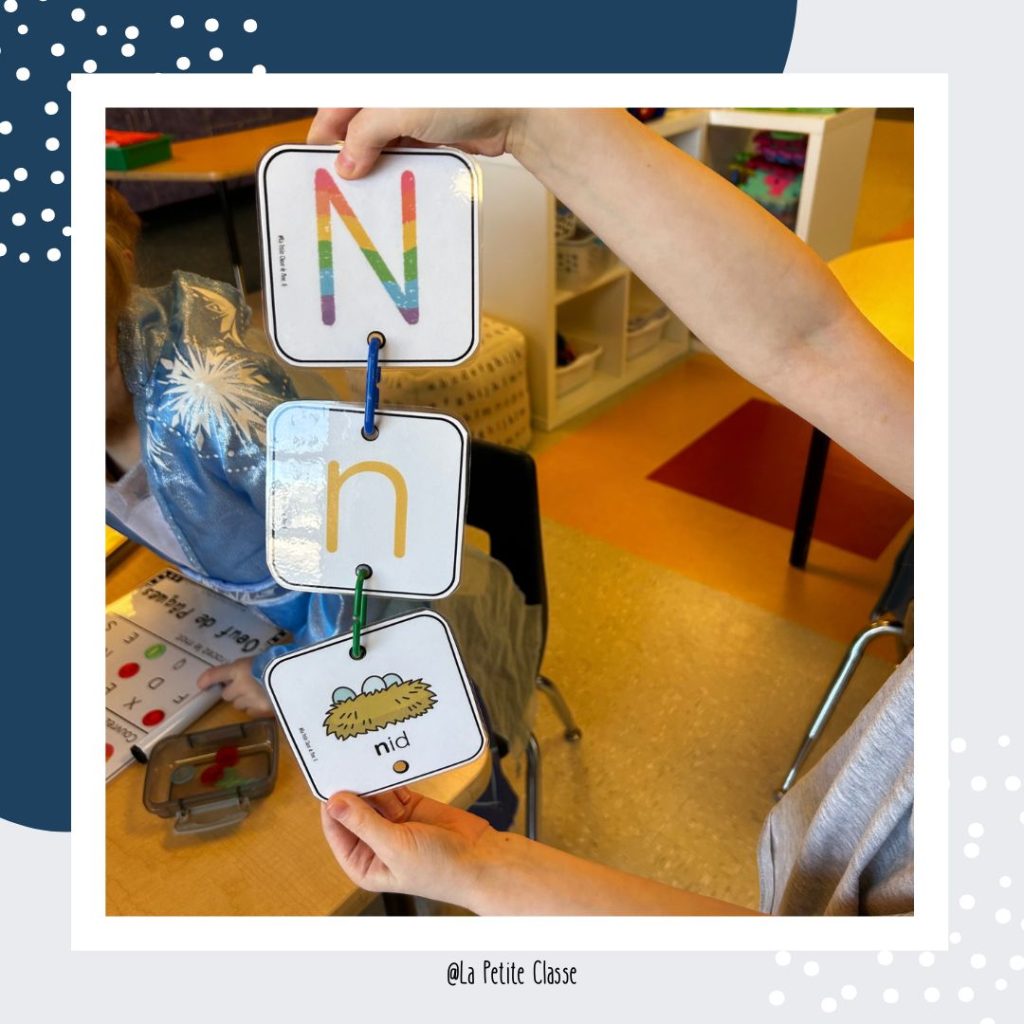
matching games
quick vocabulary bins
repeatable centres
Once you have them set up, you can reuse them over and over again — just swap out the vocabulary.
Simple is what actually makes it doable
Especially when you’re juggling multiple grades or just trying to get through a busy week.
You don’t need to reinvent everything.
You just need a few go-to activities you can rely on.
That’s what keeps French manageable — for you and your students.
The bigger picture
When French is hands-on and simple:
students participate more
they’re less overwhelmed
and you spend less time trying to manage disengagement
It shifts things from “getting through the lesson” to actually using the language.
Final thought
Hands-on French doesn’t need to be complicated to work.
In fact, the simpler it is, the better it usually goes.
Sometimes the smallest changes make the biggest difference in how students engage.
Looking for ideas?
If you want ready-to-use, hands-on French activities, you can find resources in my La Petite Classe store.
They’re simple, practical, and made to slot right into your classroom without extra prep.