Home » Hands-On Math Activities for Kindergarten That Actually Stick
Hands-On Math Activities for Kindergarten That Actually Stick
Published May 14, 2026
There’s a point in the year where you can really tell what’s working in math — and what isn’t.
If students are zoning out, relying on guessing, or struggling to explain their thinking, it usually isn’t because they “can’t do math.”
It’s often because they haven’t had enough chances to actually do the math.
Hands-On Math Activities Matter in Kindergarten
In my experience, kindergarten math activities work best when students can:
move it
build it
touch it
talk about it
Not just see it on a worksheet.
When students are using math manipulatives to solve problems, they’re not just getting the answer — they’re actually understanding what the math means.
That’s where real learning happens.
Why Hands-On Math Centres Work
Hands-on learning makes a big difference in kindergarten and early years classrooms because it:
gives students something concrete to work with
helps them visualize math concepts
supports different learning styles
builds confidence through success
And honestly, it keeps students engaged without you having to constantly “sell” the lesson.
They’re just doing it.
It doesn’t have to be complicated
One of the biggest misconceptions about math centres in kindergarten is that they take a lot of prep or special materials.
They really don’t.
Some of the most effective hands-on math activities for K–1 classrooms are the simplest:
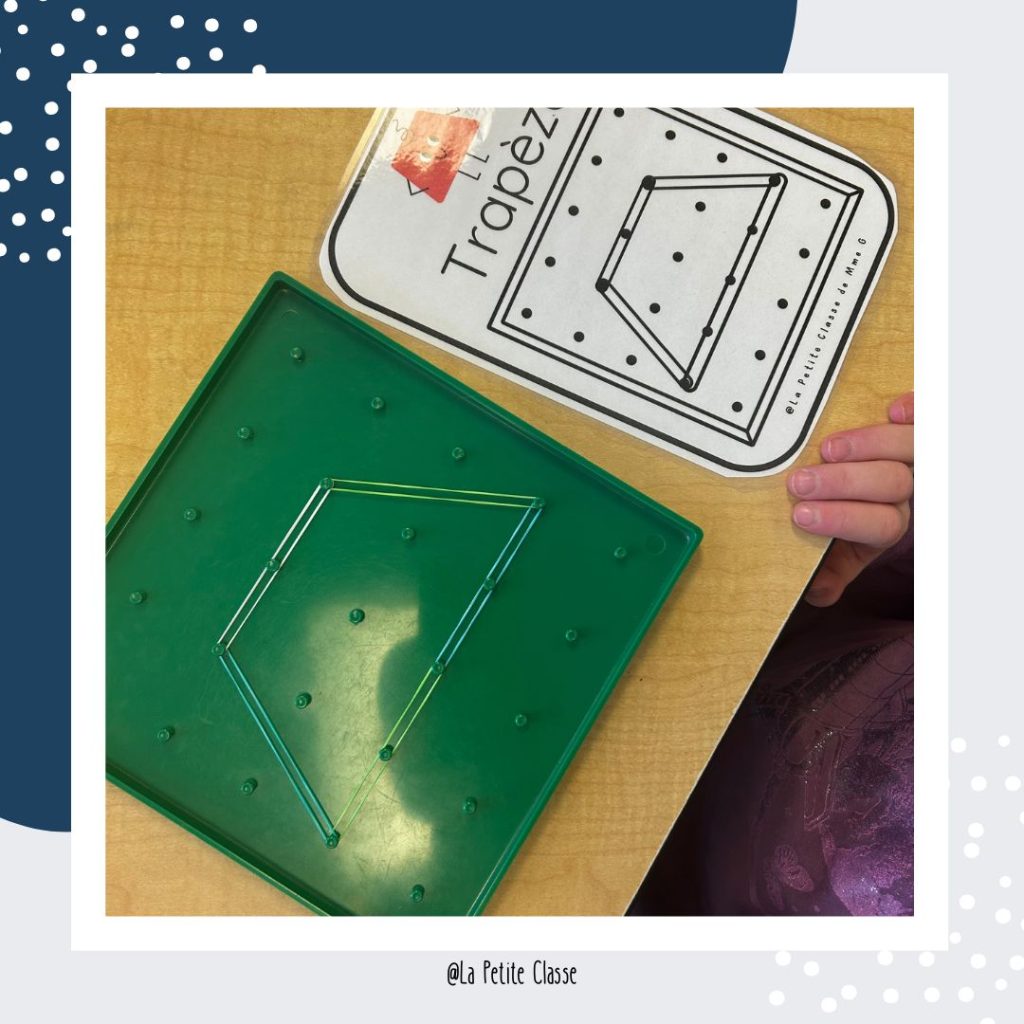
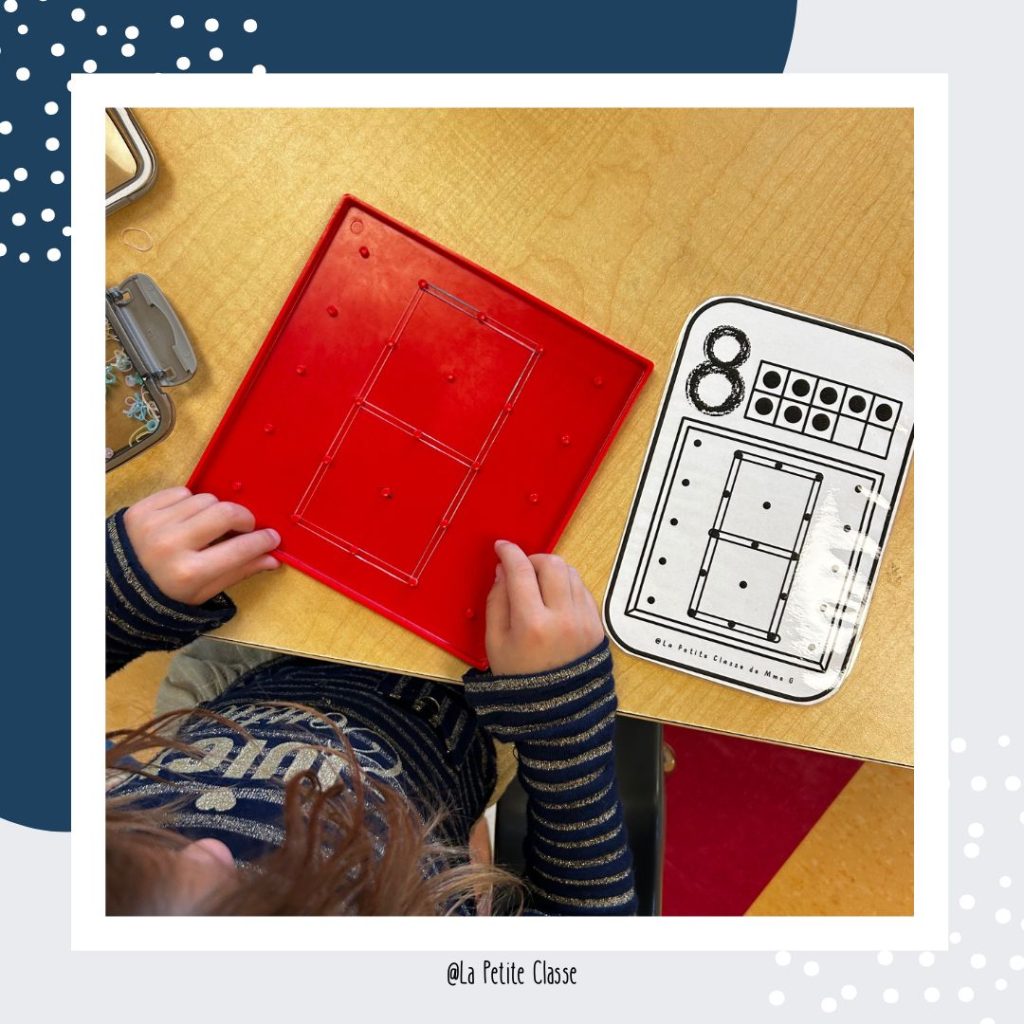
geoboards and elastics
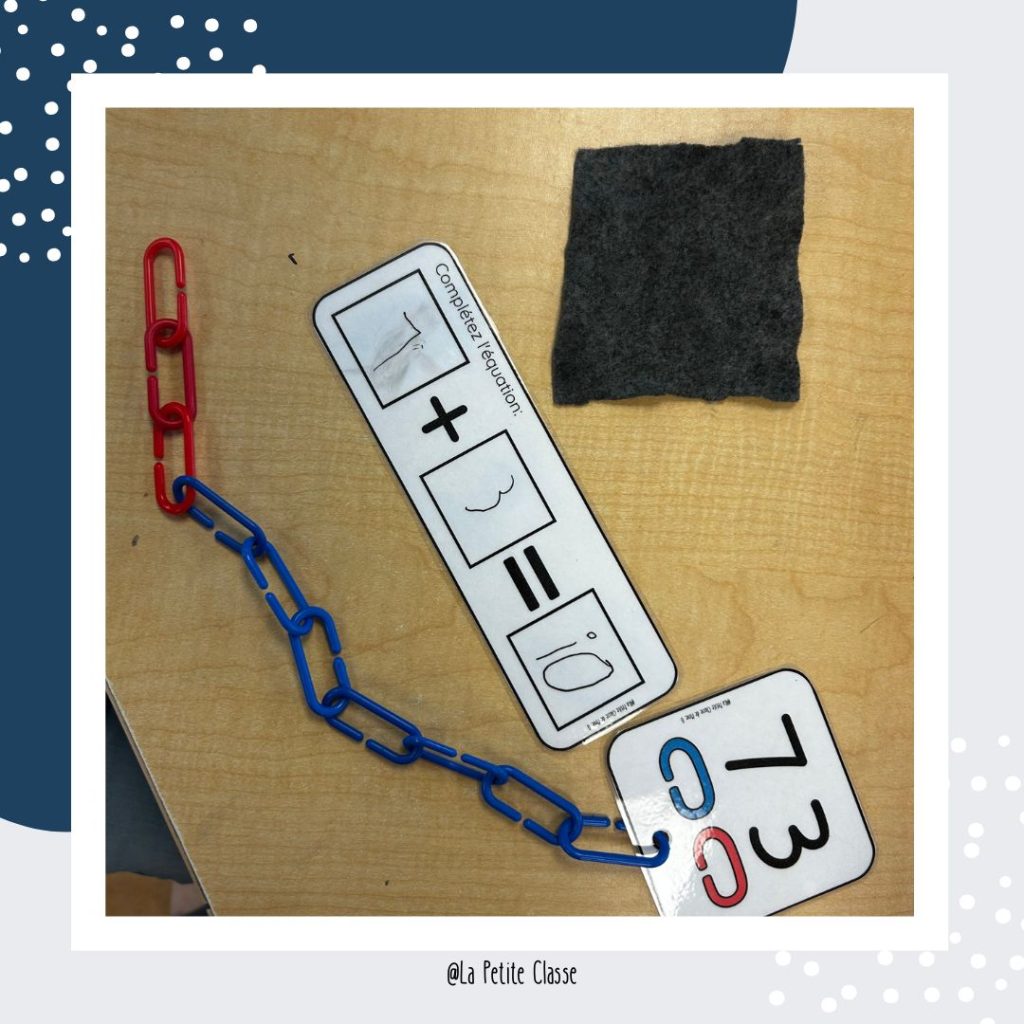
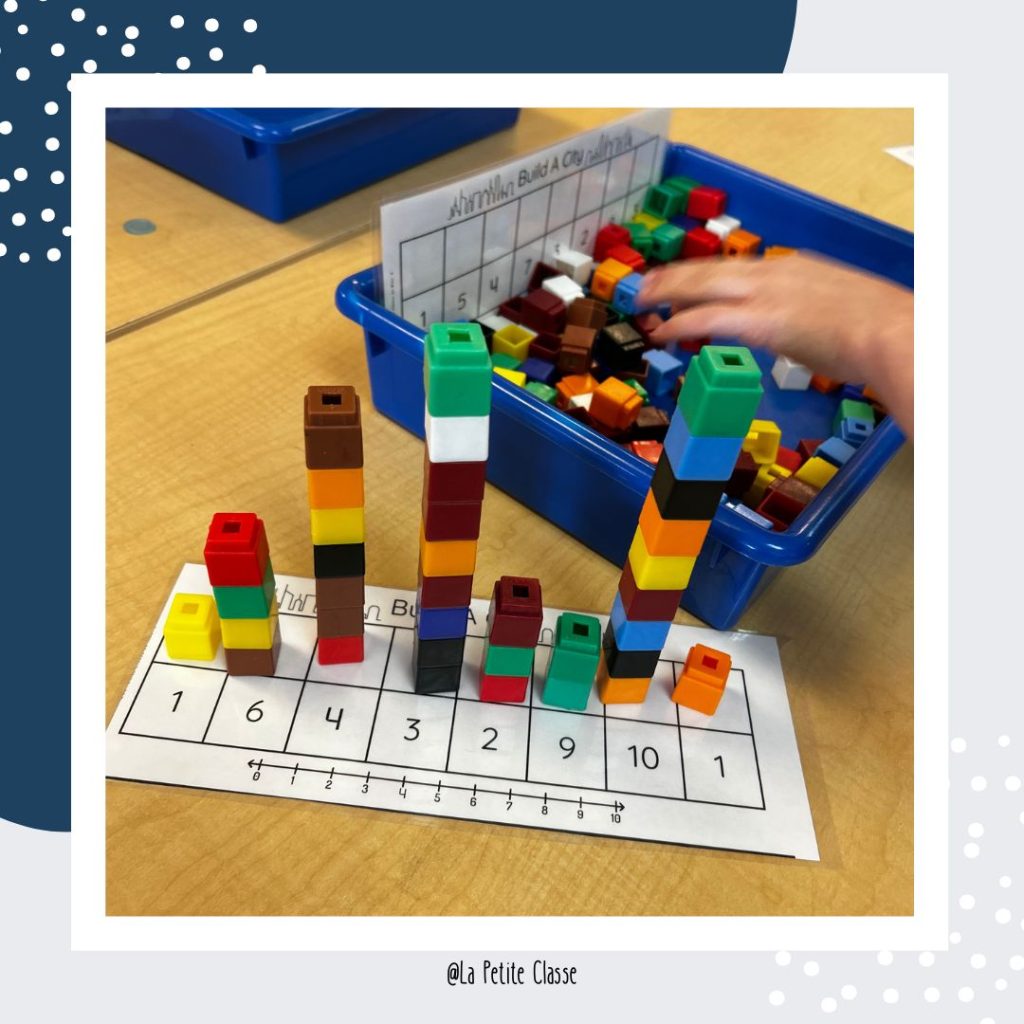
linking cubes
counters
pattern blocks
tweezers with pom poms
simple sorting and building tasks
Once you have these set up, you can reuse them all year — just change the skill you’re focusing on.
Repetition is what makes it stick
Students don’t need a brand-new activity every day.
They need repeated opportunities to explore the same concepts in different ways.
That’s what builds understanding in early years math.
When students revisit familiar tools in their math centres, they spend less energy figuring out what to do and more energy actually thinking about the math.
What I reach for in my classroom
Over time, I’ve learned to rely on a few simple setups for kindergarten math manipulatives that I can pull out again and again:
hands-on counting activities
patterning tools with manipulatives
building mats with cubes or shapes
fine motor + math combinations (like tweezers and sorting)
Nothing fancy. Just consistent, repeatable activities that work in K–1 classrooms.
The goal isn’t more — it’s better
It’s easy to feel like math needs to be constantly new or exciting to keep students engaged.
But in reality, what students need most is:
consistency
hands-on practice
and time to actually understand what they’re doing
Simple structures often lead to deeper learning than constantly switching things up.
The bigger picture
When hands-on math activities for kindergarten are part of your routine:
students are more engaged
understanding improves
and you spend less time re-teaching the same concepts
It becomes less about getting through the curriculum and more about actually building math thinking.
Final thought
Hands-on math doesn’t need to be complicated to be effective.
In fact, the simpler it is, the more likely students are to actually engage with it.
Sometimes the best learning happens when students are just given concrete materials and space to explore.
Looking for ideas?
If you’re looking for ready-to-use hands-on math activities for kindergarten and early years classrooms, you can find resources in my La Petite Classe store.
They’re designed to be simple, reusable, and easy to fit into your classroom routine — without adding more to your planning load.