Home » Simple Patterning Activities for Kindergarten (Without Worksheets)
Simple Patterning Activities for Kindergarten (Without Worksheets)
Published May 21, 2026
Patterning is one of those math skills that can either feel really engaging… or really repetitive.
And honestly, I’ve found that worksheets usually aren’t what help patterns click for young learners.
Students understand patterns best when they can actually build, move, and create them themselves.
That’s when the learning starts to stick.
Patterns Need to Be Hands-On
In Kindergarten and early years classrooms, patterning should feel active.
Students need opportunities to:
touch materials
move pieces around
say the patterns out loud
and physically build what they’re learning
That’s what helps them start recognizing how patterns work.
Why Hands-On Patterning Works
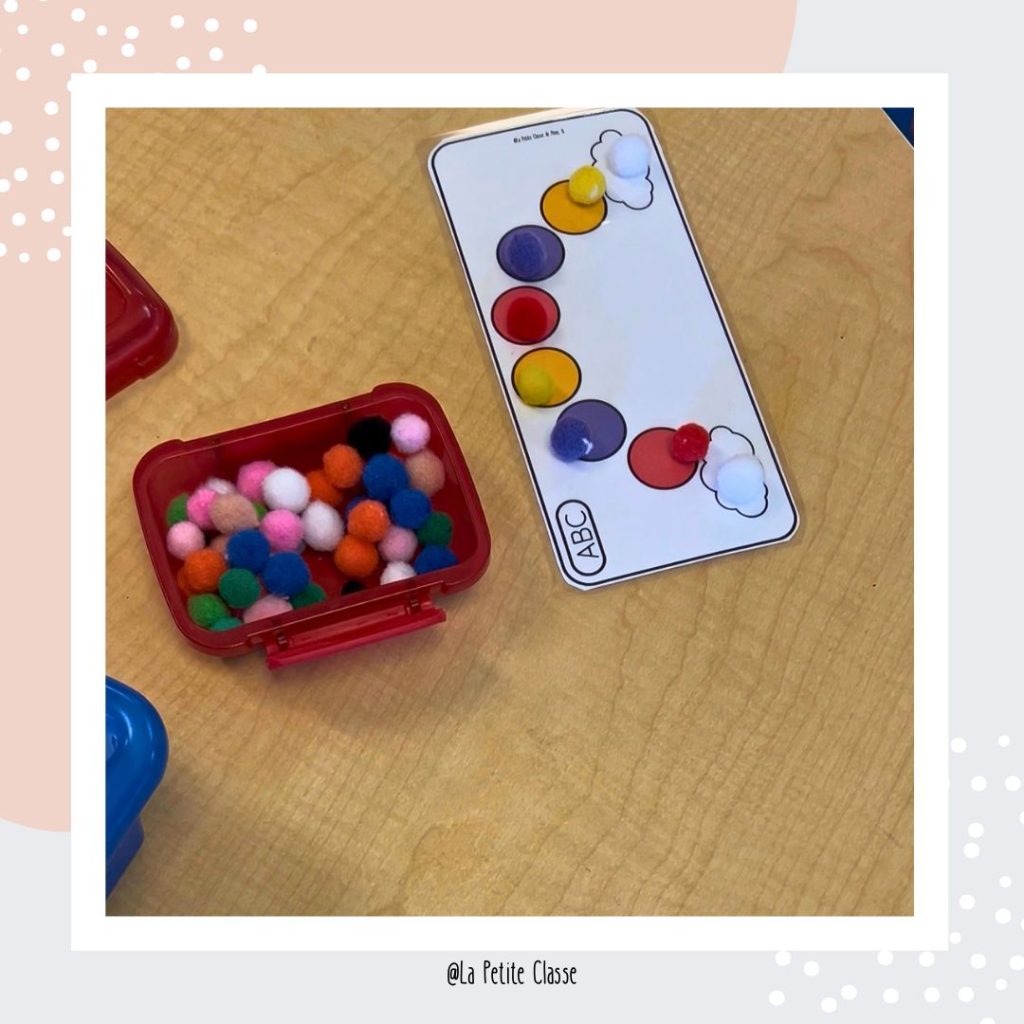
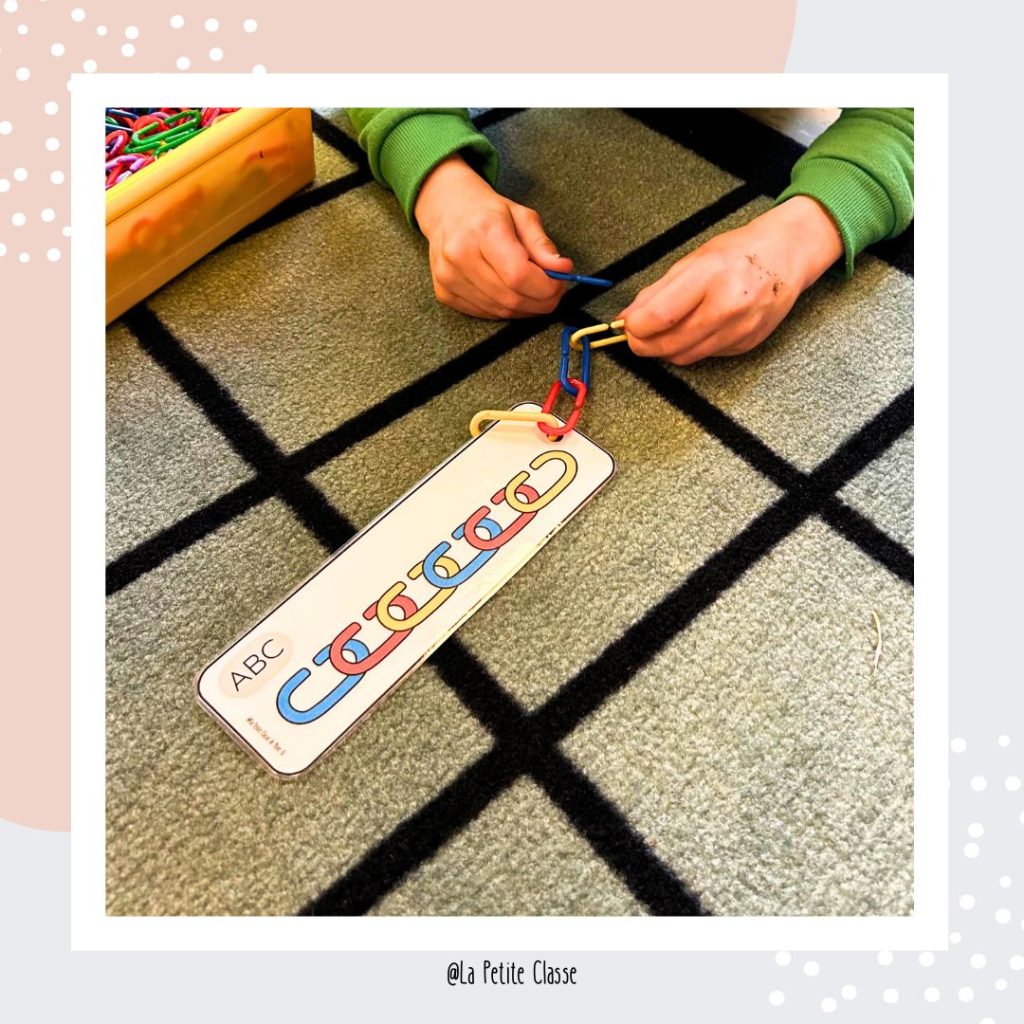
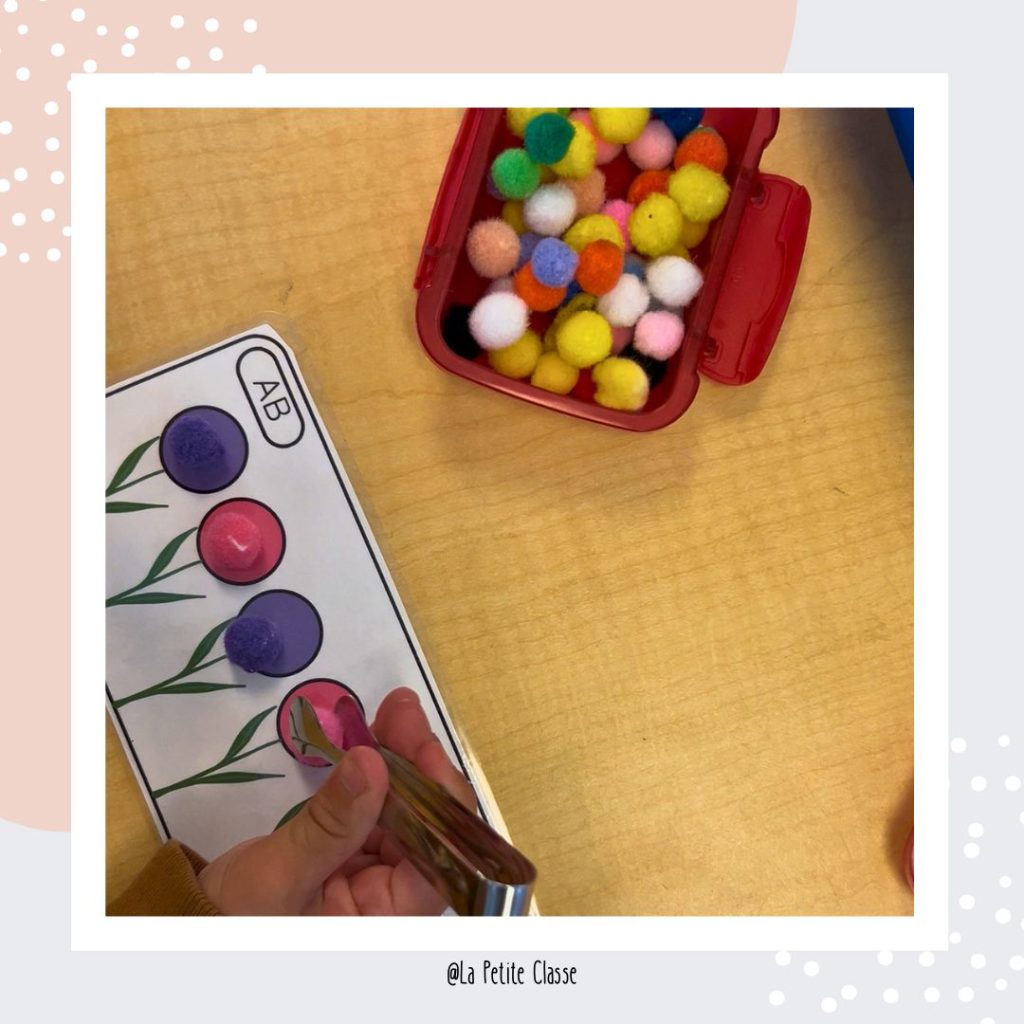
When students use manipulatives for patterning, they’re able to actually see the repetition happening.
Instead of memorizing “AB pattern” on a worksheet, they begin to understand:
what repeats
what changes
and what comes next
That deeper understanding is what makes patterns transfer into other math skills later on.
Some of My Favourite Patterning Activities
The best part is that patterning activities really don’t need to be complicated.
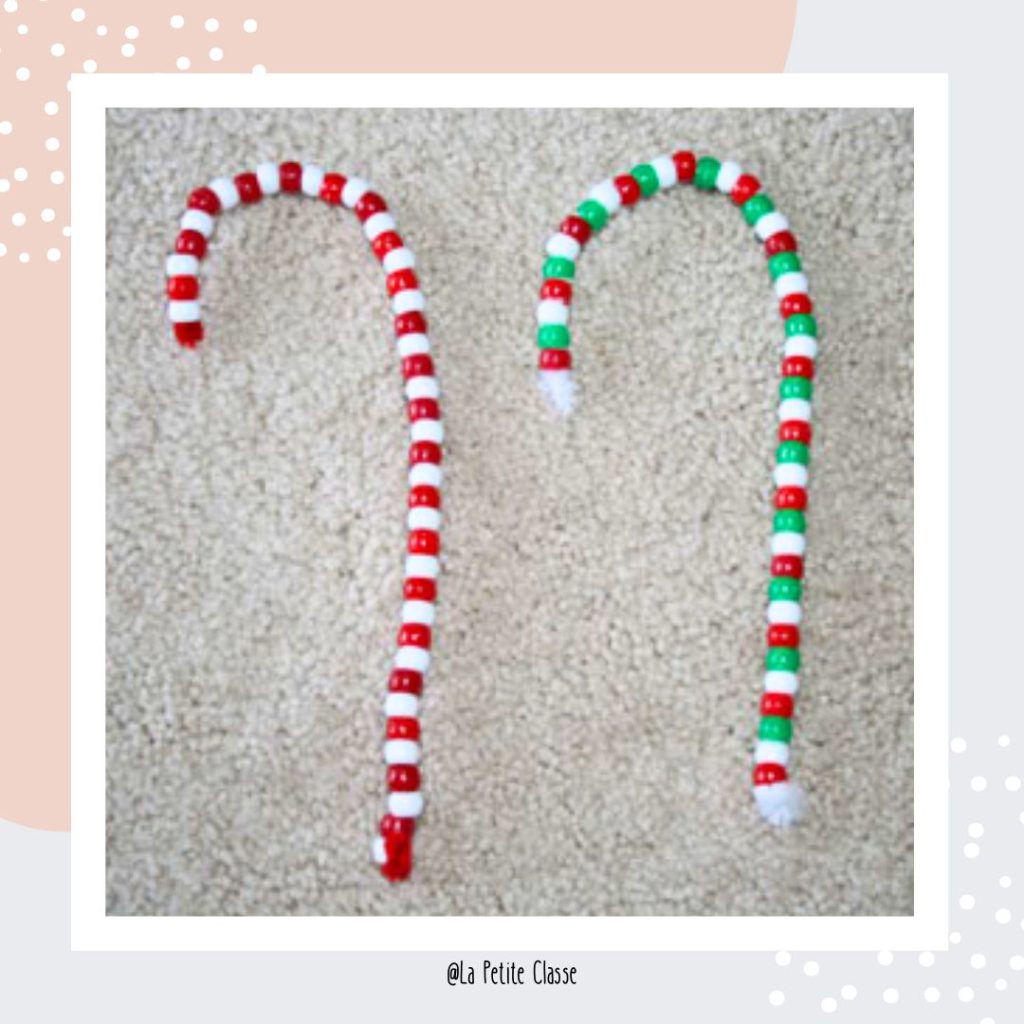
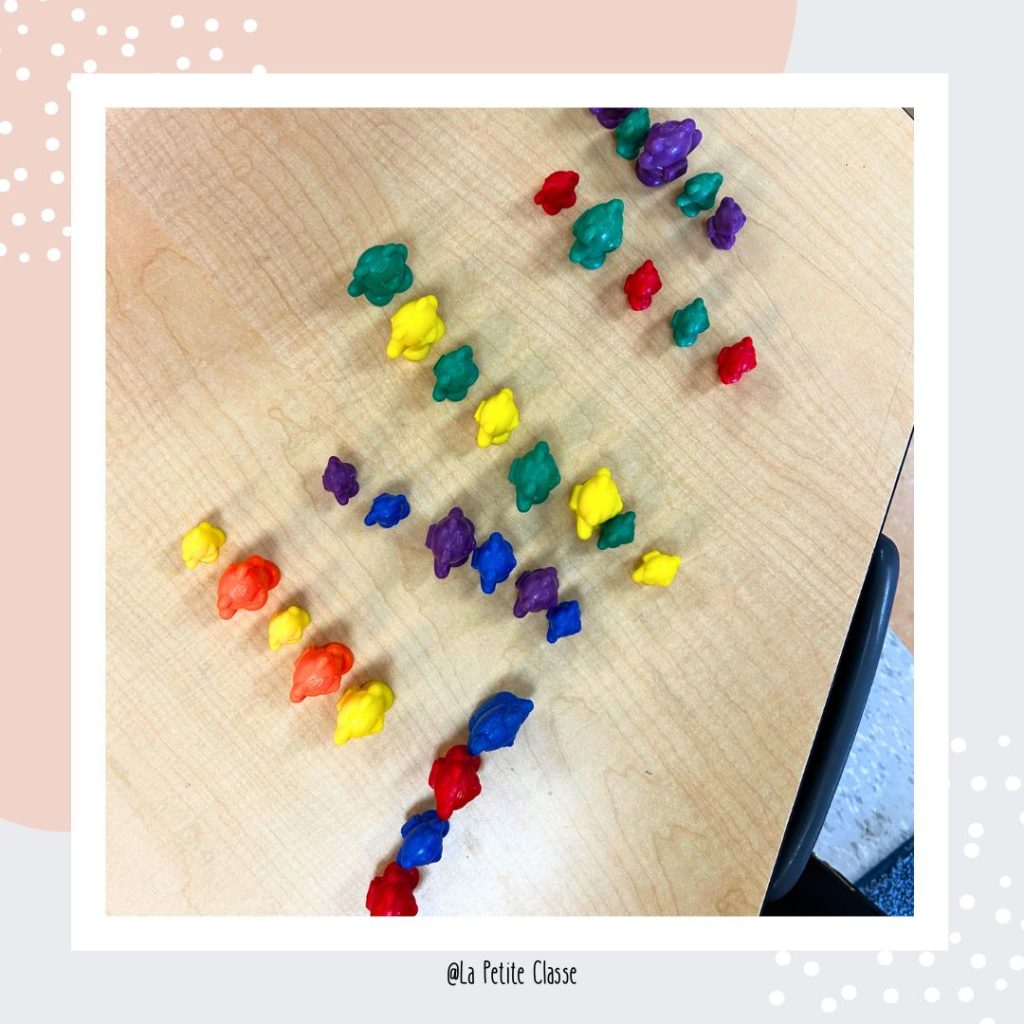
Some of my favourite hands-on patterning activities use:
chain links
pom poms
blocks
beads
pattern blocks
loose parts
Even something as simple as building colour patterns with cubes can lead to really meaningful math conversations.
Repetition Is Important
One thing I’ve learned over time is that students need lots of chances to revisit patterns.
Not just one lesson.
When they use familiar materials over and over again, they become more confident and independent.
And honestly, that’s when you really start seeing the learning happen.
Keep It Simple
You do not need elaborate setups or brand-new centres every week.
Simple, repeatable math centres are often the most effective.
Especially this time of year, students benefit from activities that feel familiar and predictable.
That consistency helps them focus on the math instead of figuring out new directions every day.
Patterns Show Up Everywhere
One of my favourite things about teaching patterning is that students start noticing patterns everywhere once they understand the concept.
In:
colours
movement
music
nature
routines
Suddenly they’re spotting patterns all around them — and that’s when you know the learning has really connected.
The Bigger Picture
Hands-on patterning activities do more than teach one math skill.
They also support:
problem solving
oral language
fine motor development
and independent thinking
That’s why hands-on math works so well in Kindergarten classrooms.
Final Thought
Patterning doesn’t need to be complicated to be meaningful.
Some of the best learning happens when students are given simple materials, time to explore, and opportunities to talk about what they notice.
And honestly, that’s usually when math feels the most fun too.
Looking for Hands-On Math Ideas?
If you’re looking for simple, reusable math centres and hands-on activities for Kindergarten and early years classrooms, you can find resources in my La Petite Classe store.
They’re designed to be low prep, engaging, and easy to use again and again throughout the year.