Home » Hands-On Math Activities for Kindergarten & Early Years
Hands-On Math Activities for Kindergarten & Early Years
Published March 5, 2026
During student-led conferences last year, I had a parent expressed concern about play-based learning. They worried their child “wasn’t doing enough work.”
I told them this: don’t get hung up on the word play. Think of it as hands-on exploration. Four- and five-year-olds aren’t built to sit quietly at desks doing pencil-and-paper tasks. They need to touch, build, and explore.
And here’s the best part — while students are exploring, they’re not just having fun. They’re also:
Learning math concepts like counting, patterns, and addition/subtraction
Strengthening fine motor skills
Building oral language skills
Practicing problem-solving and critical thinking
Low-Prep, Reusable Activities
Here are some hands-on math activities that hit all of the above — and don’t require hours of prep:
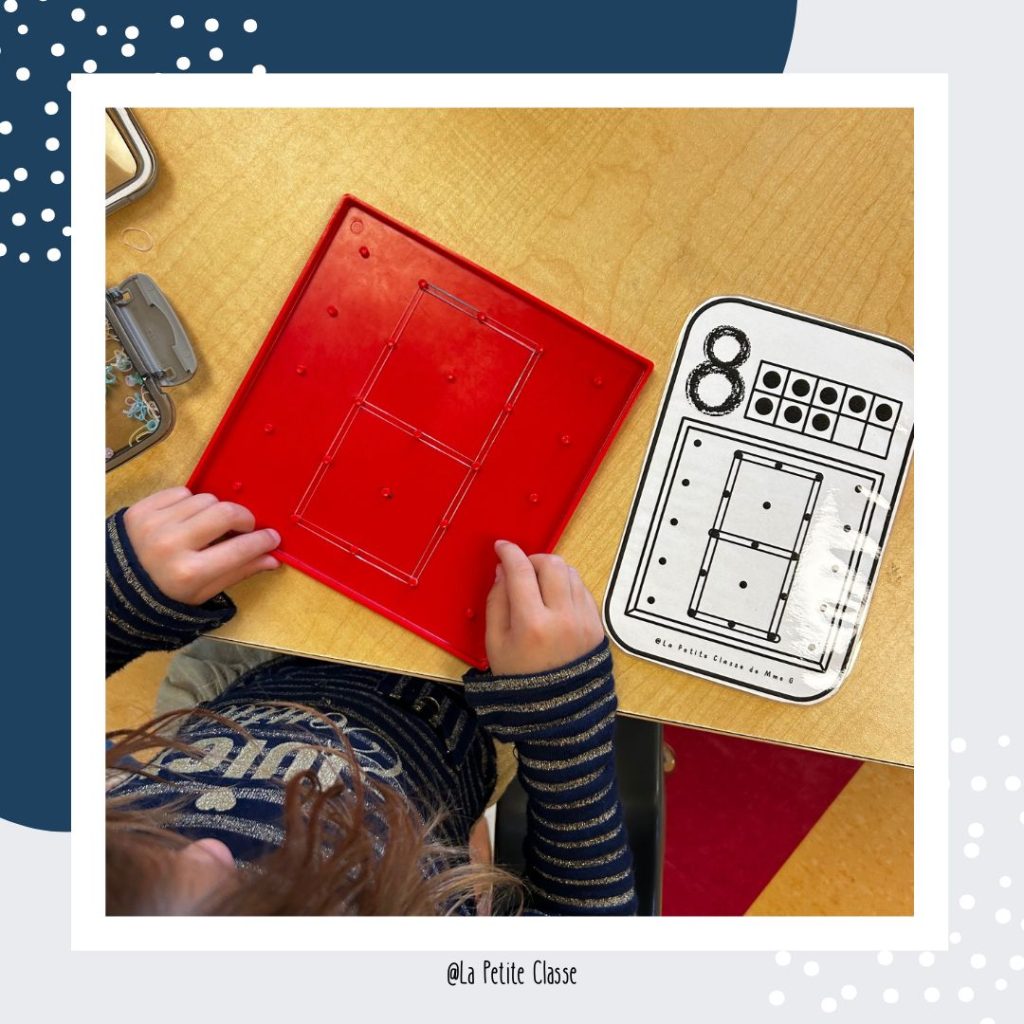
1️⃣ Geoboards with Elastic Bands Students create shapes, patterns, or simple addition/subtraction arrangements. Reusable and engaging day after day.
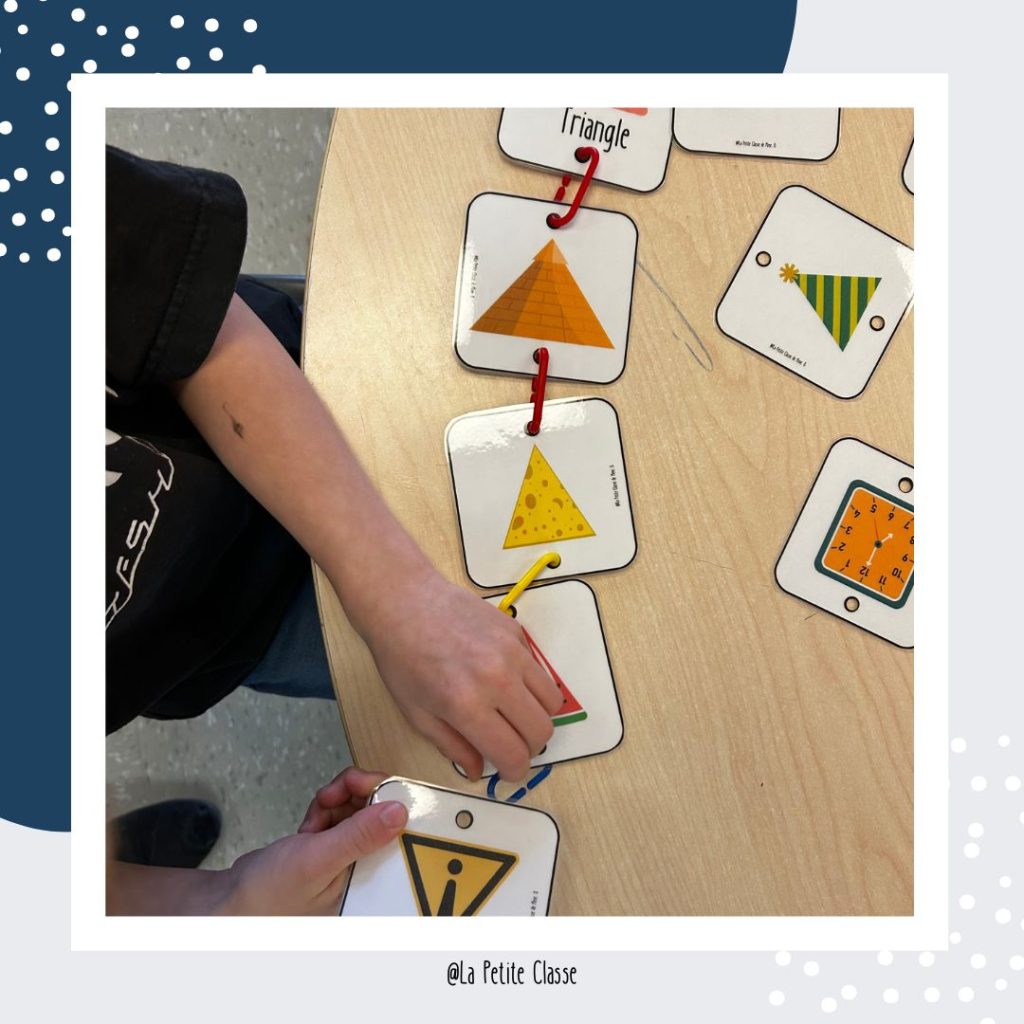
2️⃣ C-Clip Activities Perfect for counting, sorting, or matching. Builds fine motor control while reinforcing key math concepts.
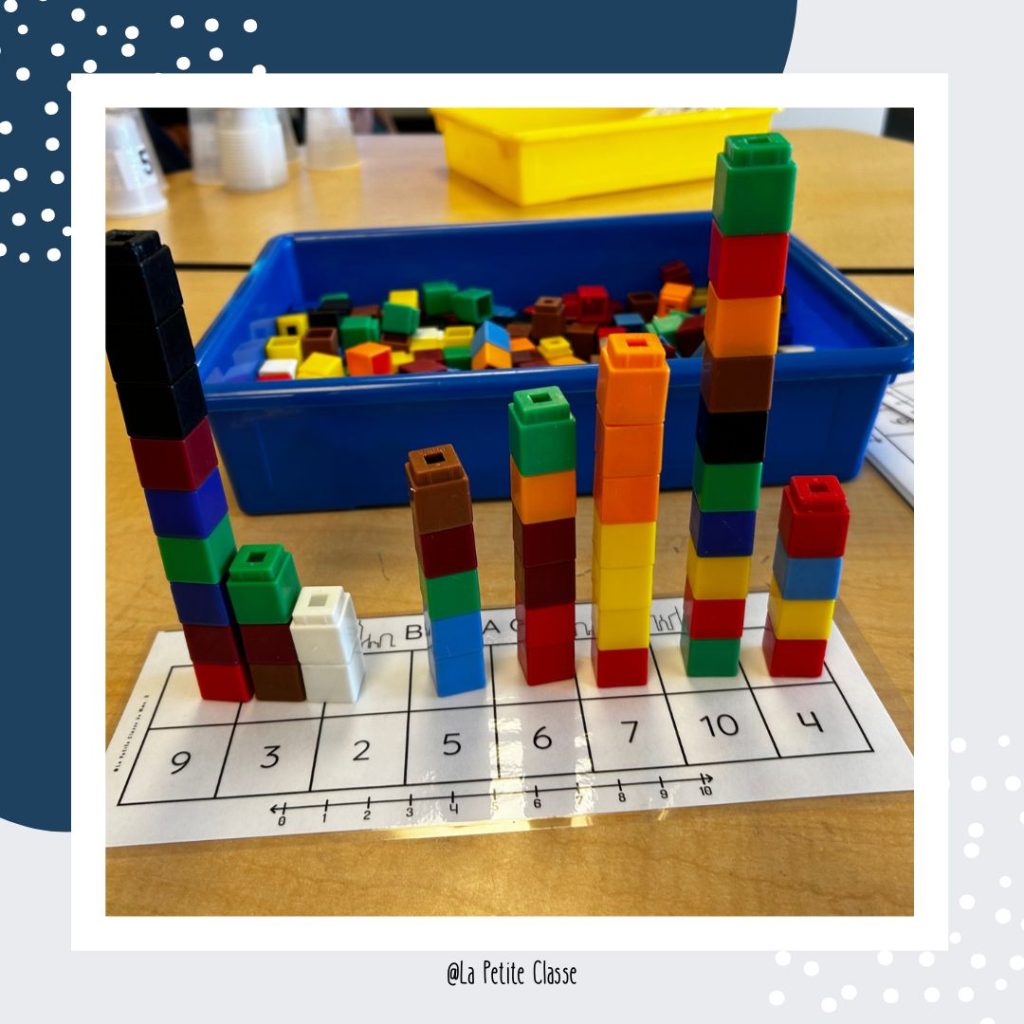
3️⃣ Blocks Use blocks for addition, subtraction, or pattern-building. Helps students visualize numbers while problem-solving.
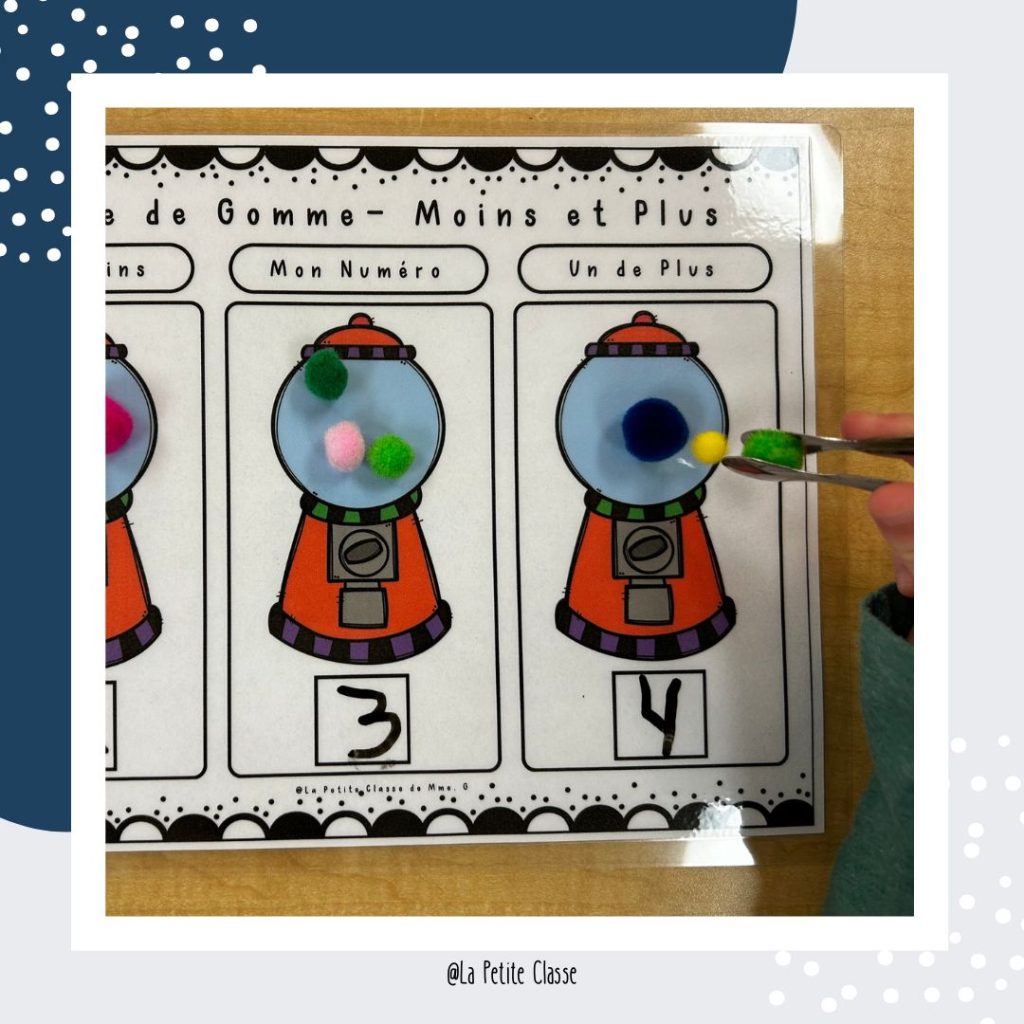
4️⃣ Pom-Poms and Tweezers Sorting, counting, or making patterns. Doubles as fine motor practice while teaching math skills.
Covers counting, number sense, addition/subtraction, patterns, and more
Perfect for independent practice, small groups, or early finishers
Works in both English and French classrooms
Why It Works
These activities are hands-on, meaningful, and repeatable. Students gain math skills while building fine motor control, oral language, and problem-solving ability — all while having fun exploring and creating.
Pull them out once, use them repeatedly, and watch your students stay engaged with math all month long.